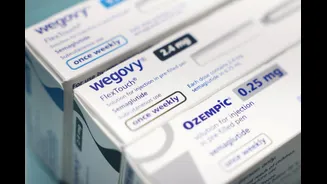









For years, semaglutide has sat at the centre of a global conversation around diabetes and weight management – effective, sought-after, but often out of reach. Now, a quiet but significant shift is rewriting
that narrative in India. As the key patent around semaglutide expired in India on March 20, the molecule is stepping into a new phase defined by affordability, accessibility, and a rapidly expanding market.
The expiry opens the door for Indian pharmaceutical giants like Sun Pharma, Dr Reddy’s Laboratories, and Zydus Lifesciences to introduce their own versions of semaglutide – the active ingredient behind globally known drugs like Ozempic and Wegovy.
The most immediate impact is financial. Monthly treatment costs, once hovering around Rs 11,000, are now expected to fall to Rs 3,000– Rs 5,000, with potential to dip even lower as competition intensifies. In a country where healthcare spending is largely out-of-pocket, this shift could bring millions into the fold of consistent treatment.
Why Semaglutide Matters
Semaglutide belongs to a class of drugs known as GLP-1 receptor agonists, designed to mimic a hormone that regulates blood sugar and appetite. It not only improves insulin response but also slows digestion and reduces hunger – making it a dual-action therapy for both Type 2 diabetes and obesity.
Its origins are as fascinating as its impact. The molecule draws inspiration from a compound found in the saliva of the Gila monster, which led researchers to develop longer-acting, more effective treatments. Today, it is often viewed as more than symptom management. Many clinicians consider it a therapy that can alter the course of metabolic disease.
Lower prices bring undeniable benefits, but they also introduce new complexities. Wider access may encourage early intervention and better long-term outcomes, particularly in a country grappling with rising diabetes rates. At the same time, the surge in availability raises concerns around misuse, especially for unsupervised weight loss.
As more than 40 companies prepare to enter the market, quality, regulation, and patient education will become critical. Approved generics must meet safety standards, but differences in formulation and patient response will remain part of the conversation.
India’s GLP-1 market is poised for rapid growth, with projections nearing $1 billion in the coming years. Companies are not only focusing on domestic demand but also eyeing global expansion, signalling India’s growing role in the pharmaceutical supply chain. The larger story, however, is about access. What was once a premium therapy is now moving closer to becoming standard care, reshaping how chronic conditions like diabetes and obesity are managed.