



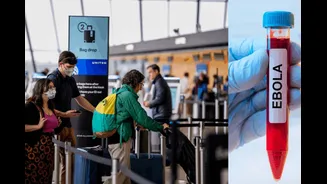

A deadly virus that kills up to half of those it infects is now triggering emergency protocols at Kochi airport — and if you’re flying in from Central or East Africa, expect to be stopped, screened, and asked
hard questions about where you’ve been.
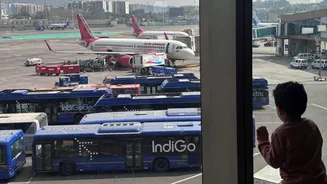
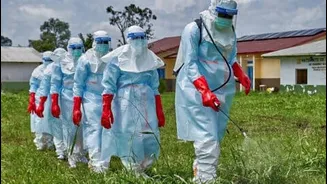
Cochin International Airport Limited (CIAL) and the Airport Health Organisation (APHO) have jointly activated a 24×7 health surveillance system at the airport, making Kochi one of the first Indian airports to operationalise on-ground protocols after the World Health Organisation on May 16 declared the Ebola outbreak in the Democratic Republic of the Congo and Uganda a Public Health Emergency of International Concern.
The numbers behind that declaration are alarming: as of May 20, there were 600 suspected cases and 139 suspected deaths, with WHO chief Tedros Adhanom Ghebreyesus himself expressing concern over the outbreak’s “scale and speed”.
What Happens When You Land At Kochi Now?
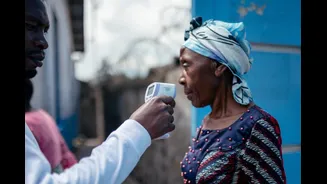
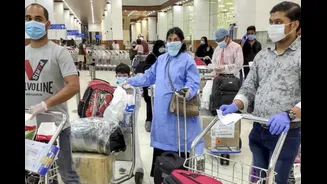
International passengers — especially those arriving from Congo, Uganda and South Sudan — will face thermal screening, mandatory submission of self-declaration forms, and verification of 21-day travel history.
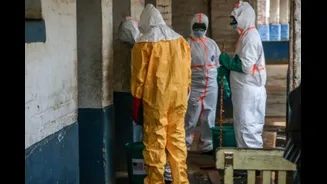
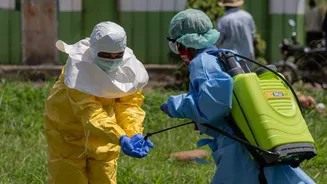
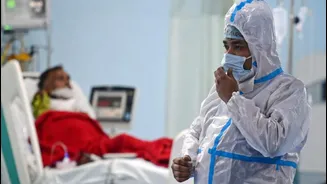
The CIAL-APHO meeting, attended by Airport Director Manu G and senior health officials, also stressed strict use of three-layer masks and proper handwashing. Isolation wards have been designated at Ernakulam General Hospital, Government Hospital Kalamassery and District Hospital Aluva for suspected cases.
Is The Rest Of India Also On Alert?
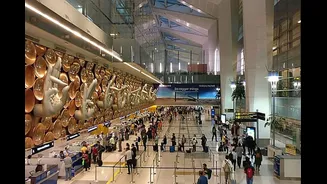
Yes — and urgently so. Delhi’s Indira Gandhi International Airport on May 21 issued a formal health advisory for passengers arriving from or transiting through DRC, Uganda and South Sudan, directing anyone with symptoms to immediately report to airport health authorities before immigration clearance.
The Union Health Secretary chaired a review of national preparedness, with all states and Union Territories told to ensure readiness at every level. Officials clarified that no Ebola case has been detected in India so far.
Why Is This Variant Particularly Worrying?
Officials at the Kochi meeting flagged a critical gap: among the five known Ebola species, there is currently no approved vaccine or specific treatment for the Bundibugyo strain driving this outbreak.
This is DRC’s 17th Ebola outbreak since 1976, and a critical four-week detection gap between the index case’s symptom onset and laboratory confirmation suggests the virus went undetected far longer than it should have.
What Should Travellers Watch For?
Symptoms can appear anywhere between two and 21 days after exposure — making the post-travel window critical. Fever, sore throat, headache, vomiting, muscle pain, weakness and unexplained bleeding are red flags.
Any traveller developing these symptoms within 21 days of arrival must immediately seek medical care and inform healthcare authorities about their travel history.
The mortality rate for this strain ranges between 30 and 50 per cent — numbers that leave no room for delay.
Should Kerala Residents Panic?
No — but they should stay informed. Indian health authorities have stated there is no cause for panic, noting the country handled a similar situation during the 2014 Ebola outbreak in West Africa with comparable precautionary steps.
The risk globally remains low, with WHO assessing the global-level risk as low even as national and regional risks in affected countries remain high.
Kerala’s large NRI population and high volume of international traffic through Kochi — particularly from Gulf countries with African connections — make sustained vigilance at the airport not just prudent, but essential.
(With inputs from Neethu Reghukumar in Thiruvananthapuram)