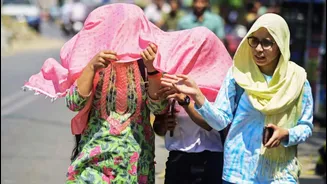








The summer season has tightened its grip across North India, with temperatures in several states already nearing or crossing 40°C. Regions including Delhi, Bihar, Uttar Pradesh, Rajasthan, Punjab, Haryana
and Madhya Pradesh are witnessing intense heat conditions much earlier than expected.
What was once considered a routine seasonal rise in temperature is now emerging as a serious public health concern. Even though April is only midway, stepping outdoors during afternoon hours has become increasingly difficult due to the harsh sun and hot winds.
While South India initially experienced relatively milder conditions, heatwave-like situations are now developing there as well. The changing weather pattern has led to widespread discomfort across the country, with rising temperatures and humidity levels compounding the impact.
In parts of Uttar Pradesh and Bihar, strong westerly winds have intensified into severe heatwaves, directly affecting people’s health and daily routines. The India Meteorological Department (IMD) has warned of worsening heat in the coming days and urged people to stay cautious.
Uttar Pradesh: Heatwave Tightens Grip
Uttar Pradesh is witnessing a rapid rise in temperatures across districts. Cities such as Lucknow, Kanpur, Prayagraj and Varanasi have already crossed 40°C, while Banda in the Bundelkhand region has recorded temperatures around 42°C.
The ongoing heatwave has increased electricity demand and led to water shortages. In rural areas, farmers and labourers are avoiding fieldwork during peak hours, affecting agricultural activities.
Health authorities have issued advisories warning of dehydration and heatstroke risks, urging people to remain indoors during the afternoon and take extra care of children and elderly individuals. Hospitals are also being prepared for potential heat-related emergencies.
Bihar: Rising Temperatures And Heat Alerts
Bihar is also experiencing a sharp increase in temperature, with Patna and over 20 districts reporting intense heat. Cities like Gaya, Bhagalpur, Muzaffarpur, Darbhanga and Purnia are expected to cross 40°C soon.
With no immediate forecast of rainfall, the heat is expected to intensify further. Markets have thinned out during daytime hours, and rural areas are facing additional challenges due to irregular power supply and water scarcity.
Authorities have advised residents to stay hydrated, wear light clothing and avoid prolonged exposure to the sun.
Rajasthan: Extreme Heat Peaks
Rajasthan remains one of the worst-affected states, with temperatures in cities like Barmer, Jaisalmer and Kota ranging between 41°C and 44°C.
The IMD has issued a heatwave alert for the next 48 hours. While some areas may see partial relief due to cloud cover, overall conditions are expected to remain extremely hot.
Delhi-NCR: Rising Heat With Possible Relief Ahead
In Delhi-NCR, temperatures have climbed to between 36°C and 39°C, but strong sunlight and hot winds are making it feel significantly hotter. Poor air quality is adding to the discomfort.
However, the weather department has indicated that light rain and thunderstorms after April 19 may bring some temporary relief.
Madhya Pradesh: Heatwave And Dry Conditions
Madhya Pradesh is also experiencing rapidly rising temperatures, particularly in cities like Bhopal, Gwalior, Chhatarpur, Khandwa and Jabalpur.
With no immediate chances of rainfall, heatwave conditions are expected to persist. Some regions may see weather changes after April 19, but until then, the intense heat is likely to continue.
Hill States: Weather Shift Expected
In Himachal Pradesh, a western disturbance between April 17 and 20 may bring strong winds, rain and even hailstorms, potentially lowering temperatures.
Similar conditions are expected in Uttarakhand, while Jammu and Kashmir may experience rain and snowfall in higher regions, offering relief from rising temperatures in those areas.
South India: Heat And Humidity On The Rise
Southern states such as Tamil Nadu, Karnataka and Telangana are also witnessing temperatures crossing 40°C. Coastal regions are facing high humidity, making conditions more uncomfortable.
Kerala may receive light rainfall in some areas, offering limited relief, but overall, hot conditions are expected to persist.
Northeast India: Storm And Rain Alerts
In contrast, Northeast India is likely to experience unstable weather. States like Arunachal Pradesh, Meghalaya, Nagaland and Sikkim are under alerts for strong winds and rainfall.
Wind speeds may reach 50-60 km/h, with a possibility of lightning. While this could lower temperatures, residents have been advised to remain cautious.
What Is A Heatwave?
A heatwave is declared when temperatures rise significantly above normal levels, typically 40°C or more in plains, and remain at least 4.5°C above average. Such conditions increase the risk of dehydration and heatstroke. Common symptoms include dizziness, weakness, nausea, and fainting, making it essential to take preventive measures.
According to the IMD, the monsoon is expected to enter India in June. However, its progress may be slower this year. While South and Northeast India could see early rainfall, North India may continue to face heatwave conditions until June.
Safety Measures During Heatwave
People are advised to avoid stepping out during peak afternoon hours, wear loose and light clothing, and keep themselves well hydrated. Using umbrellas, hats, and staying in cool environments can help reduce heat exposure.
Children, elderly individuals and those with pre-existing health conditions such as heart, respiratory or blood pressure issues are particularly vulnerable. Outdoor workers, including labourers and farmers, are also at higher risk.
The IMD has indicated that some regions may experience partial relief after April 19 due to light rain and thunderstorms. However, widespread or long-term relief from the heatwave is unlikely in the immediate future, making it crucial for people to remain cautious and prepared.