







Scroll through social media, and you’ll find it flooded with wellness influencers and self-proclaimed health coaches offering quick fixes for everything from glowing skin to a healthier heart.
Much of this
advice is built around a familiar idea: that everyday ingredients lying around at home can dramatically improve your health. Cheap, easy, and promising fast results, these DIY remedies, juices, tonics, and drinks are hard to resist.
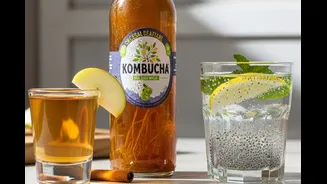
One such trend is the rise of viral gut health drinks, promoted online as simple solutions for bloating, poor digestion, and even low immunity. Chia seed water, kombucha, and apple cider vinegar shots are among the most popular picks doing the rounds on reels and stories.
But do these so-called “gut health drinks” actually improve your gut, or could they be doing more harm than good?
Here’s a closer look at what good gut health really means and how much truth lies behind the promises made by viral wellness drinks.
What Is Good Gut Health?
“From a medical perspective, good gut health means efficient digestion, proper absorption of nutrients, a healthy balance of gut bacteria, and regular, comfortable bowel movements,” says Dr Sanjay Kumar, Senior Director, Institute of Digestive & Liver Disease, Max Super Speciality Hospital, Noida.
It also plays a role in immunity, hormone metabolism, and even mental well-being through the gut–brain axis. And crucially, he adds, no drink alone can build a healthy gut.
Here’s what Dr Kumar says about the most popular viral gut health drinks and what they actually do.
Chia Seed Water: Helpful Fibre But Not A Gut Cure
Chia seed water is often marketed as a digestion booster, and there is some logic behind the trend. Chia seeds are rich in soluble fibre, omega-3 fatty acids, and polyphenols. When soaked, they absorb water and form a gel-like consistency that slows digestion.
“This can promote fullness and improve stool consistency, helping mild constipation in some individuals,” says Dr Kumar.
However, the benefit is limited. Chia seed water does not selectively improve gut bacteria or act like a probiotic. Its main role is simply increasing fibre intake.
There’s also a right and wrong way to consume it.
“Chia seeds must be thoroughly soaked before consumption,” Dr Kumar warns. Dry or poorly soaked seeds can expand in the oesophagus or stomach, leading to bloating, abdominal pain, or even choking.
He advises starting with one teaspoon per day, increasing gradually, and ensuring adequate water intake.
People with irritable bowel syndrome, inflammatory bowel disease, swallowing difficulties, or frequent bloating should avoid it or consume it only under medical guidance.
Kombucha: Trendy, But Unreliable
Kombucha’s reputation rests on its fermentation and probiotic appeal. But medically, it is far from consistent.
“Kombucha contains live microorganisms, but its probiotic content varies widely depending on how it is prepared, stored, and processed,” says Dr Kumar.
Many commercial versions are pasteurised, which significantly reduces live bacteria. Even when present, the strains are inconsistent and not clinically validated. As a result, kombucha cannot be considered a dependable probiotic source.
It can also cause harm. Being acidic and carbonated, kombucha may worsen acid reflux, gastritis, and bloating. Homemade versions carry contamination risks, while packaged ones often contain high sugar, making them unsuitable for people with diabetes.
Dr Kumar advises that immunocompromised individuals and those with liver disease should avoid kombucha altogether.
Apple Cider Vinegar Shots: Most Problematic Trend
Apple cider vinegar (ACV) shots may be the most aggressive of all gut health trends—and the most problematic.
“Undiluted apple cider vinegar is unsafe for regular consumption,” Dr Kumar says. Even diluted versions can erode dental enamel, irritate the throat, and worsen gastric symptoms. Long-term use may lead to electrolyte imbalances and aggravate existing gut conditions.
Despite popular claims, evidence supporting ACV for digestion, detoxification, or metabolism is weak. While it may temporarily slow gastric emptying, this does not result in meaningful weight loss or sustained metabolic benefit.
People with acid reflux, peptic ulcers, kidney disease, osteoporosis risk, or those taking diuretics or insulin should avoid apple cider vinegar entirely.
Viral Health Drinks Can Do Harm
Dr Kumar highlights that emergency rooms at the hospital often get patients with epigastric pain, burning in the chest, nausea, vomiting, and food intolerance after consuming such popular health drinks.
Many of these cases point to erosive gastritis, caused by repeated exposure to acidic or irritating substances like undiluted ACV, concentrated kombucha, or improperly prepared seed-based drinks.
In some cases, this damage can even lead to gastrointestinal bleeding. Dental erosion and throat irritation are also common findings, adds Dr Kumar.
“These drinks are not inherently benign,” he stresses. “Consumed indiscriminately, they can cause genuine harm.”
Why Home Remedies Alone Can’t Fix Your Gut
Gut health is shaped over time, not overnight. While certain beverages may provide hydration, fibre, or bioactive compounds, the gut microbiome is influenced far more by long-term diet and lifestyle—including fibre diversity, protein quality, fat intake, meal timing, sleep, physical activity, and stress levels.
“Drinks can support gut health, but they cannot compensate for poor dietary habits or lifestyle choices,” Dr Kumar explains.
If gut health is the goal, priorities are clear. “Diet should come first,” says Dr Kumar. A diverse diet rich in vegetables, fruits, whole grains, legumes, and adequate protein forms the foundation. Regular sleep, physical activity, hydration, and stress management follow closely.
Supplements and gut health drinks, he adds, should come last—and only when clearly indicated.
“The key to sustainable gut health is consistency, not trends,” Dr Kumar says. “Drinks may support a healthy routine, but they cannot replace it.”
How To Try Health Drinks Safely (If you must)
Dr Kumar advises a cautious approach:
- Start with small quantities
- Introduce only one drink at a time
- Avoid mixing multiple viral trends
- Never use them as meal replacements
People with medical conditions should consult a doctor before experimenting
Signs Your Health Tonic Doesn’t Suit You
Persistent bloating, abdominal pain, nausea, heartburn, diarrhoea, constipation, throat irritation, or unusual fatigue are warning signs. If symptoms last beyond one to two weeks, the drink should be stopped and medical advice sought.