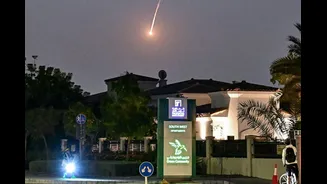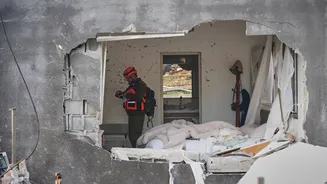



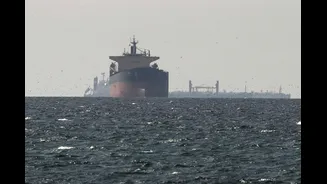
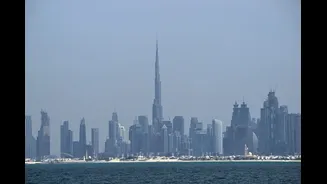
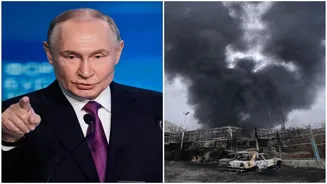
As the war with Iran spreads across the Gulf, Dubai is trying to maintain its image as a safe place despite Iranian attacks. Tehran has bombed US bases in West Asia, including in the United Arab Emirates.
Influencers have echoed the government’s message that the country remains safe, while authorities have cracked down on people sharing footage of strikes, reports AFP.
For decades, the Gulf was seen as a safe place in a turbulent West Asia. The United Arab Emirates often described itself as the safest country in the world and highlighted its very low crime rates. That image has now been shaken.
Iran has fired more than 1,800 missiles and drones at the Emirates, more than at any other country during the conflict. Although air defence systems intercepted most of the projectiles, the attacks have disrupted the country’s sense of calm.
Influencers back Dubai government’s ‘safe’ message
Dubai-based influencers have supported the government’s message that the country remains secure. Kuwaiti-American reality star Ebraheem Alsamadi, known from “Dubai Bling”, said in a video that he would stay in the UAE despite advice from US consular officials, said the AFP report.
Calling the UAE “the safest country in the world,” he said: “This has been my home for the past 16 years and I’m not going to leave it in 16 seconds… I will stand by this country as it stood by me.”
Dubai’s official Instagram account also shared an emotional song with its 5.8 million followers saying: “Dubai is safe, will always be safe.”
Protecting Dubai’s reputation and economy
Authorities have increased their efforts to project normality during the conflict. Analysts say the UAE hopes the war will be short so that people do not associate the country with the conflict.
Ryan Bohl, a geopolitical analyst at Rane Network, said officials were now debating how to adapt their strategy in the face of new security challenges. He said the UAE was trying to minimise the impact of the war on the country.
About 90 percent of the UAE’s population consists of foreigners, many of whom are key to the country’s effort to diversify its economy from oil to tourism and services. Retaining foreign workers and attracting new talent remains important for this plan.
Tourism is particularly sensitive to security concerns. Bohl said tourists from different parts of the world have varying levels of tolerance for risk.
Impact on tourism
In the early days of the war, UAE President Mohamed bin Zayed Al Nahyan walked through Dubai Mall with a large entourage.
However, visitor numbers at major tourist areas such as Dubai Mall and JBR beach have fallen sharply as some travellers have left the country.
Emaar, the developer that operates Dubai Mall and other major shopping centres, warned shops and restaurants not to close or reduce operating hours during the conflict. In a note sent to businesses, the company said such actions could create unnecessary concern and damage the country’s reputation and economy.
Crackdown on videos and rumours
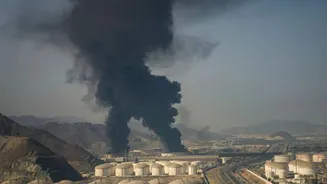
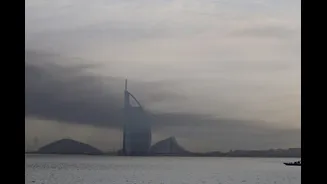
Videos showing drone strikes and smoke over the city have circulated widely online. Some tourists who left Dubai have described fleeing the city during attacks in international media.
Authorities have moved quickly to prevent further damage to the country’s reputation. Dubai police warned people not to share rumours or photograph security and critical sites.
Other Gulf countries have taken similar steps, with Qatar reportedly arresting more than 300 people.
The UAE attorney general ordered the arrest and urgent trial of several people accused of publishing videos of interceptions or spreading misleading or fabricated content.
The arrests have drawn criticism after Western media reported on them. Analysts say the strategy could affect some audiences.
Ryan Bohl said such measures could backfire among Western audiences and people from democratic countries who are used to greater freedom of expression.
Meanwhile, as Iran threatened economic targets linked to the United States and Israel, several companies evacuated Dubai’s financial district this week.
According to experts, it is important for the UAE, especially Dubai, to show that the country remains safe for investment. Bohl warned that if major investors no longer believe their investments are secure, it could have serious consequences for the UAE’s economic diversification plans.