







The election in New Zealand ended in a hung Parliament after neither the ruling conservatives nor the opposition bloc secured enough seats to form a majority government.
The final vote count published Friday,
November 27, showed that neither the ruling party nor the opposition secured the required majority to form a government , leaving the country facing potentially lengthy and tough negotiations to end the deadlock, according to DW News.
The incumbent coalition government, led by Prime Minister Christopher Luxon, secured 65 seats in the country’s expanded 130-seat parliament, after nearly 400,000 special votes, including those cast overseas or outside a voter’s home electorate, were counted alongside a recount of regular votes from the November 7 poll.
In New Zealand, PM Luxon of the center-right National Party led a coalition government with two other smaller parties, New Zealand First and ACT.
Labour Party’s Chris Hipkin-led left-wing opposition bloc, on the other hand, secured 58 seats.
In terms of vote share, Luxon’s center-right National Party secured 40 seats, while Hipkins main center-left Labour Party bagged 36 seats, reported DW News.
‘Negotiations Will Take Time’
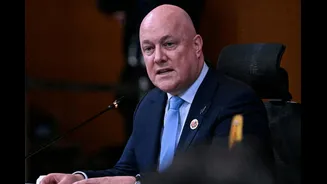
Prime Minister Luxon acknowledged that negotiating with the right party would be challenging and “will take time”.
“I want to be upfront with New Zealanders. These negotiations may be challenging, and they could take some time,” he told reporters, according to DW News.
He asserted that forming a stable government was the primary focus.
“But getting it right matters far more than getting it done quickly. New Zealanders need a government that is stable, that works together, and will last for the full term,” he said.
According to Australia’s public broadcaster, citing experts, New Zealanders will have to return to the polls for a new election if the parties fail to reach an agreement to form a government.