







Travel is no longer confined to business trips during the week and leisure breaks over the weekend. As hybrid work models become more common and people gain greater flexibility over when and where they
work, the way hotels are used is rapidly evolving. Today’s travelers expect spaces where they can work productively, unwind comfortably, and extend their stay into a more balanced lifestyle experience.
For the hospitality industry, this shift is prompting a rethink of how hotels are designed, operated, and positioned. Increasingly, hotels are evolving into multi-functional environments that seamlessly combine productivity, wellness, and leisure.
The Rise of the Hybrid Traveler
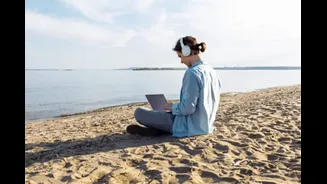
Today’s travelers often arrive with multiple priorities. A weekday business meeting may turn into a weekend staycation, while a work trip can double as a personal retreat. This blending of professional and personal life has given rise to what many in the industry call the “hybrid traveler.”
As a result, hotels are no longer viewed merely as accommodation providers but as lifestyle hubs. Guests now expect high-speed connectivity and dedicated workspaces alongside calming environments that allow them to recharge.
Vikram Singh Chauhan, Founder & CEO, NILE Hospitality, says the industry is witnessing a clear evolution in guest behavior.
“At NILE Hospitality, we are seeing a clear shift in how hotels are being used across markets not just in leisure destinations but equally in business and emerging cities. Guests today are living hybrid lives, and our approach to design and operations reflects that reality. Hotels are no longer static spaces designed for a single purpose; they must support work, wellness, and downtime in equal measure.”
According to Chauhan, modern hotel design must accommodate flexible usage from informal work meetings in lounge spaces to longer stays that require more comfortable and adaptable guest rooms.
Redefining Hotel Design and Spaces
To meet these new expectations, hospitality operators are redesigning their properties with flexibility at the core. Public spaces are being reimagined to function both as social lounges and productive work environments. Guest rooms are increasingly equipped with ergonomic workstations, improved lighting, and technology that supports remote work.
Shared spaces, meanwhile, are becoming more versatile, capable of hosting business discussions during the day and transforming into relaxed social settings by evening.
Chauhan explains that wellness is also being integrated into the architectural and experiential design of hotels.
“Wellness is not treated as an isolated offering but is embedded into the overall guest experience through natural light, efficient spatial planning, balanced amenities, and food and lifestyle offerings that reflect the local context.”
From Accommodation to Lifestyle Ecosystems
Hospitality leaders say the hybrid lifestyle trend is fundamentally altering how guests interact with hotels during their stay. Instead of short, transactional visits, travelers are increasingly opting for extended stays that allow them to blend work commitments with leisure and personal wellbeing.
Harshal Dilwali, Director & CEO, Clarissa Group, believes this shift is redefining hospitality itself. “The modern traveler is no longer separating work, wellness, and leisure; they are blending them seamlessly. Hybrid lifestyles have redefined hospitality expectations. Today’s guests look for high-speed connectivity alongside quiet work zones, wellness amenities alongside boardroom facilities, and immersive local experiences rather than traditional weekend getaways.”
According to Dilwali, hotels are responding by developing co-working lounges, wellness retreats, nature-integrated stays, and curated local experiences that encourage guests to extend their visits.
“The focus has shifted from short stays to meaningful stays. In this new era, hospitality is not just about accommodation; it is about enabling productivity, balance, and rejuvenation under one roof,” he adds.
Wellness Moves Beyond the Spa
Wellness has long been part of the hospitality offering, but the concept is now expanding beyond traditional spas and gyms. Today’s guests are seeking environments that promote mental clarity, comfort, and a sense of balance during their stay.
This includes everything from improved air quality and natural lighting to locally inspired food menus and calming interior design. Hotels are also introducing wellness-focused programming, such as yoga sessions, guided nature walks, and healthy culinary experiences.
Ashish Saxena, General Manager, Radisson MG Road, notes that guests increasingly expect hotels to support both productivity and relaxation within the same stay.
“The way people engage with hotels has fundamentally changed. Today’s guests are no longer choosing between work, wellness, or leisure; they expect all three to coexist seamlessly within a single stay.”
He explains that hotels are evolving into “lifestyle ecosystems” where guests can move effortlessly between meetings, wellness experiences, and leisure activities.
“Hybrid lifestyles have blurred traditional boundaries. Guests may attend meetings in the morning, unwind at the spa in the afternoon, and explore local culture over the weekend—often without changing hotels,” Saxena says.
Opportunities Across Markets
Interestingly, this trend is not limited to major metropolitan cities. Tier 2 and Tier 3 destinations are also seeing growing demand from travelers who combine remote work with leisure travel.
Industry leaders say consistency across locations is becoming increasingly important, as guests expect similar levels of connectivity, comfort, and wellbeing regardless of where they stay.
Chauhan emphasizes that hospitality brands must ensure their properties deliver a balanced experience across markets.
“Whether in metropolitan cities or Tier 2 and Tier 3 destinations, guests expect the same balance of comfort, productivity, and wellbeing.”
The Future of Hospitality
As hybrid work continues to reshape lifestyles globally, hospitality is entering a new phase where flexibility and experience design will play a central role. Hotels that successfully integrate work-friendly environments, wellness-focused amenities, and immersive local experiences are likely to stay ahead of the curve.
For industry leaders, the challenge and opportunity lies in creating spaces that reflect how modern travelers live.
As Saxena puts it, the future of hospitality goes beyond simply hosting guests. “Hotels that understand this are better positioned to build loyalty and relevance. As hybrid lifestyles become the norm, the hotels that will succeed are those that recognise they are not just hosting stays but supporting the way people live, work, and recharge.”
In a world where work, travel, and personal wellbeing increasingly intersect, the modern hotel is becoming more than a place to sleep, it is becoming a place where life continues to unfold.