





Summer has arrived, and with temperatures rising sharply, the afternoon heat is beginning to disrupt daily life. While we can step indoors, switch on a fan, or find shade to cope, the plants on your balcony
don’t have that luxury. They remain exposed — quietly bearing the brunt of the scorching sun.
By midday, the signs start to show. Leaves droop, soil dries out too quickly, and a once-thriving plant begins to look tired, crispy, or yellow. But this doesn’t mean your plant is dying; it is most likely under heat stress, and your balcony could be a key reason why.
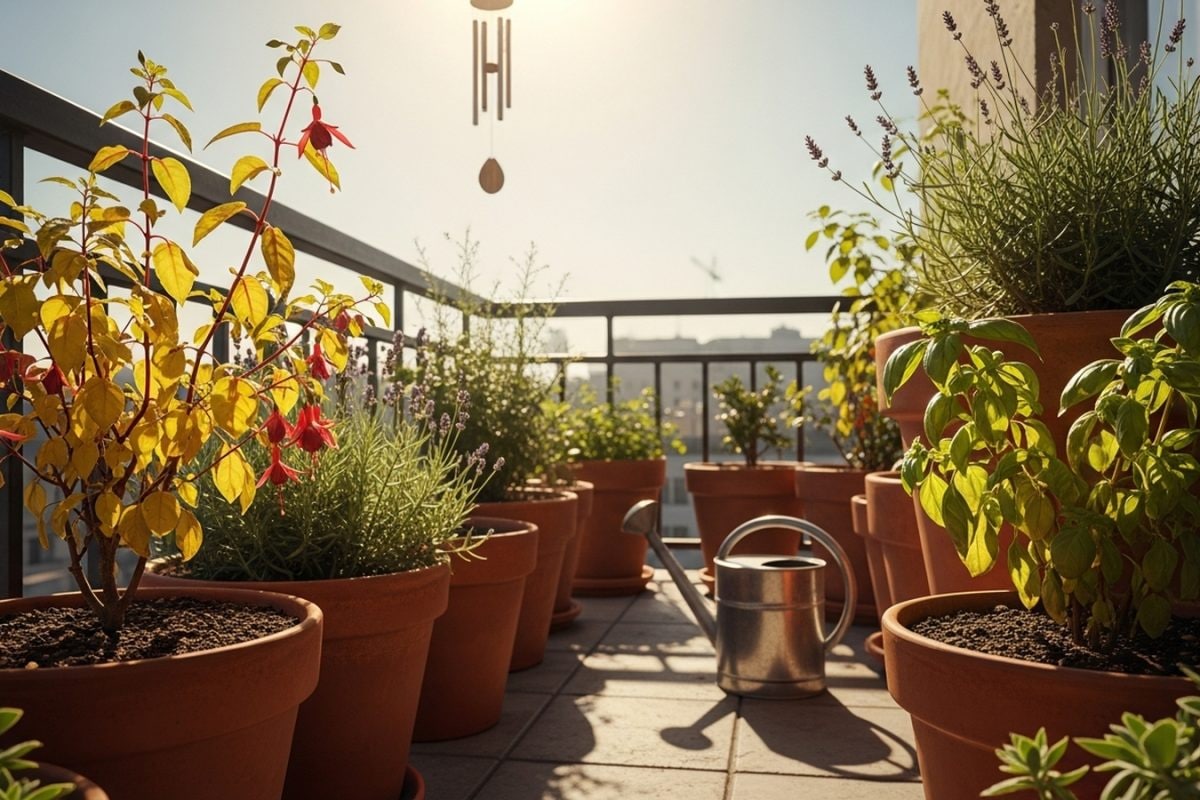
Balcony gardens are not mini versions of ground gardens; they are far more extreme environments. Unlike soil in the ground, pots heat up faster, lose moisture quickly, and offer limited insulation to roots.
Add to this the heat reflected from concrete walls, floors, and railings, along with hot, dry winds and your balcony essentially turns into a heat trap.
Here’s what may be going wrong in your balcony garden:
Your pots are literally cooking the roots: In peak summer, container soil temperatures can rise high enough to damage roots. Dark pots, metal railings, and tiled floors absorb heat and radiate it back into the plant. Even well-watered plants may wilt because overheated roots struggle to absorb moisture efficiently.
How to fix it: Switching to light-coloured or terracotta pots can significantly reduce heat absorption. Larger containers help retain cooler temperatures for longer, while raising pots slightly off hot surfaces prevents direct heat transfer.
Adding a layer of mulch, like dry leaves or cocopeat, also acts as insulation, protecting the roots from extreme heat.
Too much sun is burning your plants: “Full sun” does not mean exposure to harsh afternoon heat, especially during Indian summers. Intense sunlight can scorch leaves and accelerate moisture loss, leaving plants dehydrated and stressed.
How to fix it: Position your plants where they receive gentle morning sunlight instead of direct afternoon exposure. Introducing shade through nets, bamboo blinds, or curtains can diffuse harsh rays. Even a slight shift away from balcony railings can reduce the intensity of heat your plants face.
You’re watering wrong: Summer watering is tricky. Too little water leads to dry, brittle leaves, while too much can suffocate roots and cause yellowing. Watering during peak heat often does more harm than good, as most of it evaporates before reaching the roots.
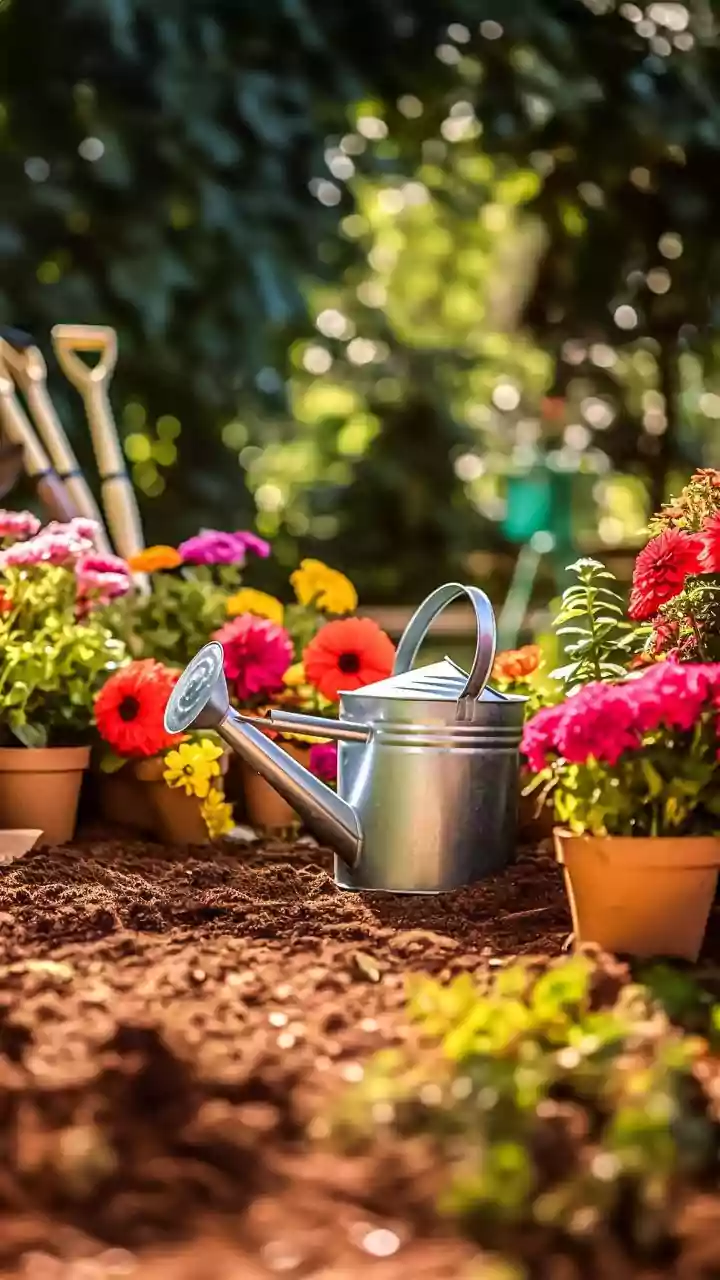
How to fix it: Watering early in the morning is most effective, as it allows plants to absorb moisture before temperatures rise. Instead of following a rigid schedule, check the soil’s moisture level before watering. Deep watering encourages stronger root systems, but it’s equally important to ensure proper drainage so excess water doesn’t accumulate.
Soil in the pots is drying out too fast: In containers, soil loses moisture rapidly — sometimes within hours. Exposure to wind and heat, especially on higher floors, makes this problem worse, leaving plants struggling to stay hydrated.
How to fix it: Improving your soil mix can make a noticeable difference. Adding materials like cocopeat or compost helps retain moisture for longer periods. A layer of mulch further slows evaporation, while spacing out plants ensures they’re not competing for limited water resources.
Mistaken Heat stress for “plant death”: If your plants droop during the afternoon but recover by evening, they are not dying — they are responding to heat stress. This is a natural defence mechanism to reduce water loss when temperatures peak.
How to fix it: Instead of reacting immediately with more water, observe your plants’ patterns. Avoid watering during peak heat hours, as this can shock the plant. Focus on reducing overall heat exposure rather than simply increasing water.
Your balcony creates a harsh microclimate: Urban balconies often amplify heat due to reflective surfaces, limited airflow, and confined spaces. Small pots and crowded arrangements further restrict root growth and air circulation, making conditions even tougher for plants.
How to fix it: Creating better airflow by spacing plants appropriately can help regulate temperature. Grouping plants can reduce direct heat exposure, while arranging them in layers allows taller plants to naturally shade more delicate ones.