







For almost two decades, the Indian woman’s relationship with food was governed by a single equation: calories in, calories out. The thinner roti, the skipped rice, the guilt around festive ghee, a generation
learned to eat by subtraction and to treat hunger as a character flaw.
“That era is quietly ending,” says Rashi Chowdhary, Chief Nutritionist and Founder, Nutrition In Sync. Scroll through the feeds of women between 25 and 45 in urban India today, and the vocabulary has clearly shifted. No one is bragging about a 1,200-calorie day anymore. The new language is cortisol, luteal phase, insulin resistance, gut microbiome, and cycle syncing.
“The aspirational figure is no longer the size-zero heroine,” says Chowdhary. “It’s the woman who has restored her cycle, reversed PCOS, and can eat carbs at dinner without anxiety.”
According to Chowdhary, the core insight driving this shift is simple: diet culture was largely built around male physiology and then marketed to women. “Men operate on a 24-hour hormonal cycle, while women function on a 28–30-day cycle. Expecting women to eat the same way every day ignores their biology entirely,” she explains.
“Hunger during the luteal phase isn’t a lack of discipline, it’s hormonal,” adds Chowdhary. “Cravings are signals, not moral failures.”
With nearly one in five Indian women of reproductive age living with PCOS, the traditional “eat less, move more” approach has often done more harm than good. “We’re seeing women with disrupted metabolisms, irregular cycles, and long-term fatigue,” says Chowdhary.
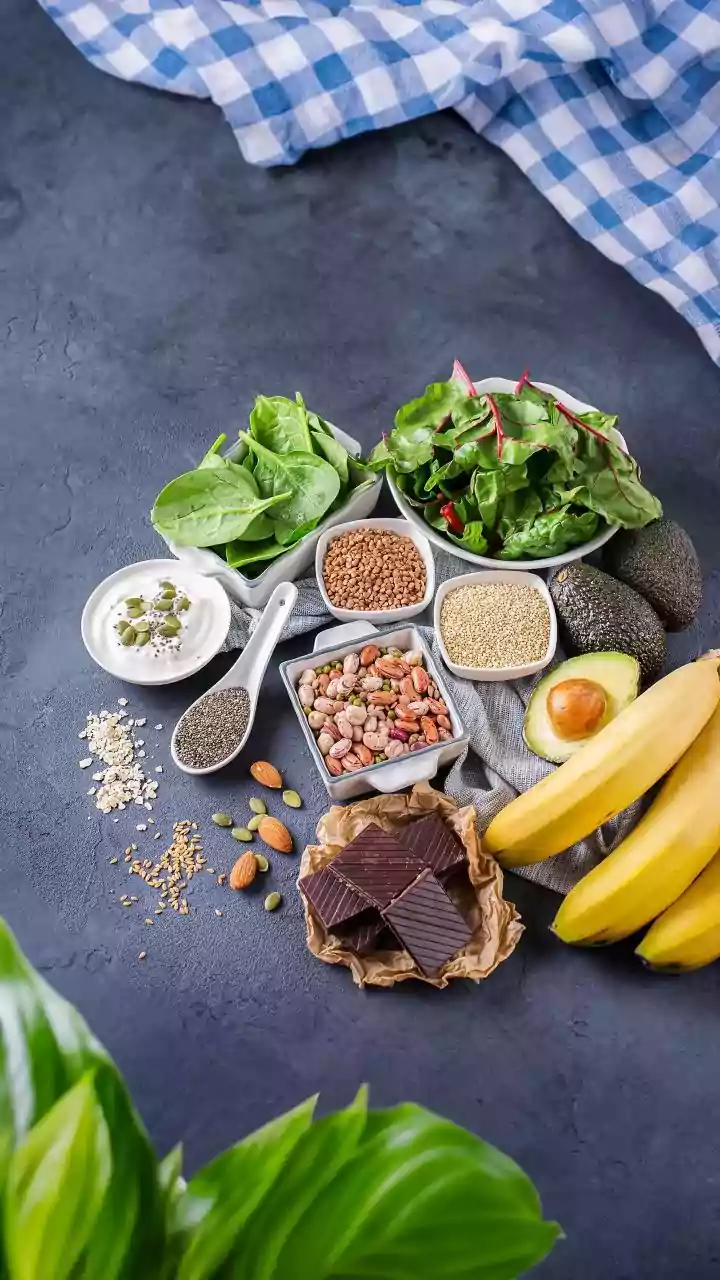
In response, a new approach is emerging, one that prioritises hormonal health over restriction. “Women are moving toward hormone-first nutrition,” explains Chowdhary. “This includes reintroducing nourishing foods like ghee, egg yolks, balanced protein at breakfast, dark chocolate, and traditional Indian meals that were once unfairly demonised.”
The metrics of health are evolving too. “It’s no longer just about the number on the scale,” says Rashi Chowdhary. “Regular periods, clear skin, stable energy, better sleep, and emotional balance are now the real indicators of well-being.”
And perhaps the most significant shift of all? Indian women are choosing, finally, to be full.