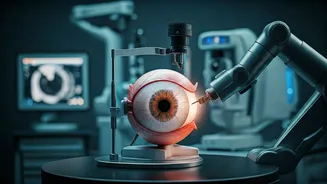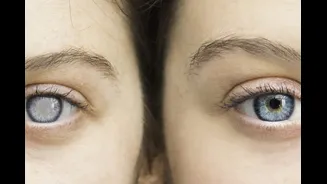







Glaucoma is one of the leading causes of permanent vision loss, affecting an estimated 11.9 million people worldwide. A significant number of glaucoma cases remain undiagnosed, as early-stage glaucoma often
presents without noticeable symptoms. Incorporating healthy lifestyle habits into routine care, along with regular follow-up assessments, plays an important role in maintaining long-term eye health.
According to Dr. Niteen Dedhia, Medical Director, Ojas Maxivision Eye Hospitals, glaucoma management extends beyond medications and periodic check-ups. “Daily lifestyle choices such as maintaining a healthy routine, managing stress, ensuring adequate sleep, staying physically active, and using prescribed eye drops correctly play a crucial role in keeping eye pressure stable,” he explains. He further adds that habits like smoking and alcohol consumption can negatively affect blood circulation to the optic nerve and trigger fluctuations in eye pressure, accelerating vision damage. Mindful lifestyle changes can therefore help patients protect their remaining eyesight and support long-term disease stability.
Medication Discipline and Routine Follow-Ups Matter Most
For glaucoma patients, the most important daily habit is using prescribed eye drops consistently. Skipping doses or discontinuing medication due to a lack of noticeable symptoms can lead to a silent rise in intraocular pressure, significantly increasing the risk of optic nerve damage. Regular medication adherence, combined with scheduled follow-ups to monitor eye pressure, optic nerve health, and visual fields, allows timely adjustments in treatment before irreversible damage occurs.
Exercise That Supports Eye Health
Meditation, yoga practices, and pranayama help regulate breathing and support overall well-being, which may indirectly benefit eye health. However, certain yoga postures—such as Shirshasana (headstand) or other head-down positions—can increase intraocular pressure and should be avoided by glaucoma patients unless advised otherwise by a healthcare professional.
Nutrition That Supports the Optic Nerve
A balanced diet rich in leafy vegetables, seasonal fruits, legumes, nuts, and sources of omega-3 fatty acids supports vascular health and may reduce oxidative stress caused by free radicals. Instead of focusing on a single “superfood,” patients are encouraged to consume a wide variety of foods across different colours and food groups. Moderation of caffeine intake is also recommended, particularly for individuals who experience increases in intraocular pressure or signs of glaucoma progression.
Sleep and Stress Habits That Promote Stability
Effective glaucoma management depends not only on medications but also on good sleep quality and stress control. Poor sleep, chronic stress, and fatigue can affect blood pressure and overall systemic health, indirectly impacting eye health. Simple habits such as maintaining consistent sleep and wake times, eating light dinners, avoiding screens before bedtime, and refraining from using phones or watching television in the dark can help support eye health. Taking short relaxation breaks during the day also improves treatment consistency and long-term vision protection.
Hydration and Smart Fluid Intake
Hydration is essential for overall health, but consuming large volumes of fluids in a short time may cause fluctuations in intraocular pressure. It is advisable to spread fluid intake evenly throughout the day and have eye pressure monitored regularly. In glaucoma management, consistency matters more than drastic changes, steady routines help maintain fluid balance and stable eye pressure, while extremes may be counterproductive.
Smoking and Alcohol Moderation
Smoking has a direct negative impact on blood circulation and optic nerve health, while excessive alcohol consumption can interfere with fluid balance and cause pressure fluctuations within the eye. Reducing or eliminating these habits supports more stable intraocular pressure and protects optic nerve function. While lifestyle changes cannot replace medical or surgical treatment, they significantly strengthen the body’s response to therapy and help preserve vision over the long term.
Screen Use and Eye Comfort
Glaucoma is not directly caused by prolonged screen use. However, extended screen time can lead to eye strain and dryness, prompting some patients to rub their eyes or skip prescribed eye drops. Effective glaucoma management includes taking regular screen breaks, ensuring proper lighting, and maintaining a comfortable ocular surface. When eyes feel comfortable, treatment adherence improves, supporting better disease control.
Individuals with a family history of glaucoma are at a higher risk of developing the condition. In India, many cases are detected at advanced stages due to the absence of early symptoms. Therefore, first-degree relatives especially those above 40 years of age should undergo regular comprehensive eye examinations for early detection and timely intervention.