






Qatar on Thursday denied allegations that it interfered in Israel’s elections or funded efforts to influence the outcome, accusing Israeli politicians and media figures of launching a disinformation campaign
to draw Doha into the country’s domestic political disputes following the inconclusive vote.
Majed Al Ansari, spokesperson for Qatar’s Foreign Ministry, issued the denial on Thursday, rejecting claims that the Gulf nation had financed activities aimed at influencing the electoral outcome.
“We categorically deny allegations that Qatar has interfered in Israeli elections or funded any activities intended to influence their outcome,” Al Ansari said in a post on X.
“We reject the accusations made by certain Israeli politicians and their contacts in the media, who have launched yet another disinformation campaign aiming to drag Qatar into Israeli political disputes following this week’s elections,” he added.
The spokesperson said Qatar had been accused of buying influence with Israeli Prime Minister Benjamin Netanyahu, the political left and, most recently, Arab voters.
“If these claims were to be believed, Qatar would apparently own all of Israel,” Al Ansari said, dismissing the allegations.
He also accused Israeli political figures of using Qatar as a scapegoat for their domestic political failures and reiterated that Doha had no involvement in Israel’s electoral competition.
Why Qatar has been accused of election interference
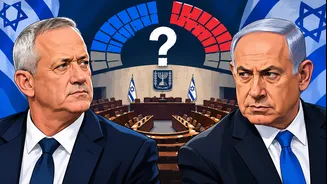
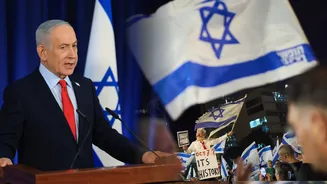
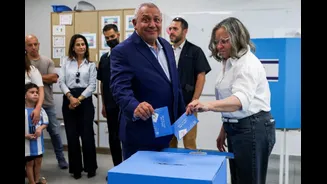
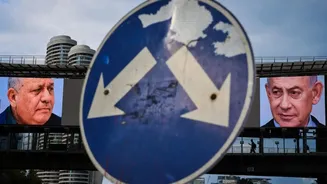
The denial comes after Israel’s October 27 election produced an inconclusive result, leaving political blocs struggling to secure the parliamentary support required to form a government.
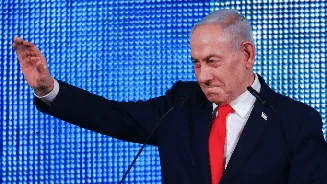
Prime Minister Benjamin Netanyahu’s Likud party and its allies faced difficulty securing a majority, while Arab-led parties registered a strong showing and emerged as potentially significant players in coalition negotiations, according to election coverage by The Guardian and other media outlets. The two Arab-led lists were projected to win a combined 19 seats in the 120-member Knesset.
Against this backdrop, allegations emerged that foreign funding, including money allegedly linked to Qatar, had been used to influence Arab voter turnout.
Noam Sohlberg, chairman of Israel’s Central Elections Committee, asked Shin Bet, the country’s domestic intelligence agency, to investigate what he described as “serious suspicions” of improper foreign influence through funding from entities allegedly acting against Israeli interests, The Times of Israel reported. He sought findings within a week.
The allegations have also fuelled a political dispute over the role of Arab parties in the next government. Netanyahu’s Likud party accused Arab-led parties of undermining the electoral process, while critics warned against using unsubstantiated claims to cast doubt on Arab citizens’ participation in the vote.
Israeli police and election officials had not established evidence of widespread electoral fraud, according to reports published on Thursday. The investigation into suspected foreign influence, however, remains a separate matter from whether the voting process itself was conducted lawfully.
Qatar rejects allegations, warns against political scapegoating
Al Ansari said the latest accusations were part of a broader effort to associate Qatar with competing political interests in Israel.
“These accusations are ridiculous and dangerous in equal measure,” he said, adding that the repeated references to Qatar in Israeli electoral rhetoric reflected what he described as an excessive preoccupation with the Gulf nation among certain Israeli political and media figures.
“Qatar should not be used as a scapegoat for the political failures of certain Israeli politicians,” Al Ansari said.
He urged those making the allegations to focus on their own voters, improve people’s everyday lives and address the consequences of their policies in the region.
The spokesperson reiterated that Qatar did not participate in Israeli political or electoral competition and would not accept attempts to draw it into domestic disputes.
The allegations also come against the backdrop of Qatar’s long-running involvement in regional diplomacy, including mediation efforts involving Israel and the Palestinians. Doha has played a central role in negotiations related to the Gaza conflict and has maintained that its diplomatic and humanitarian activities are separate from the accusations being levelled against it.
Al Ansari said the latest controversy would not alter Qatar’s commitment to mediation, humanitarian assistance and support for the Palestinian people.
He also called on the government emerging from Israel’s election to engage seriously with the Palestinian issue, uphold international law and respect Palestinian national rights, including the right to self-determination and an independent state on the 1967 borders, with East Jerusalem as its capital.
“We will not remain silent while Qatar’s name is exploited to serve electoral agendas or narrow political interests,” he said.