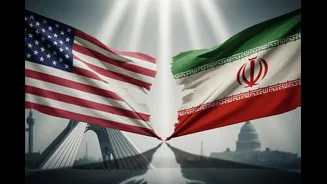










The United States has temporarily suspended sanctions on Iranian crude oil exports until August 21, opening the door for Iranian barrels to return to India after years of restrictions. The move, announced
as part of ongoing US-Iran negotiations, could offer Indian refiners an additional source of crude at a time when New Delhi is seeking to diversify supplies and manage import costs amid uncertainty in global energy markets.
The US Treasury Department authorised “all transactions” previously restricted under sanctions involving the production, sale, transport and delivery of Iranian-origin crude oil and related petroleum products through 12:01 am Eastern Daylight Time on August 21, 2026.
What does the waiver allow?
The US Treasury waiver permits transactions related to the production, sale and delivery of Iranian-origin crude oil, petrochemicals and petroleum products until August 21.
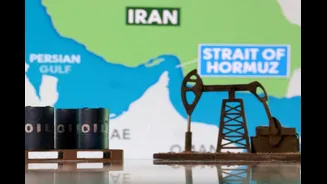
The move comes at a sensitive time for global energy markets, with the Strait of Hormuz remaining a key route for a significant share of the world’s crude oil and liquefied natural gas trade.
A sustained increase in Iranian exports could improve supply availability and help reduce concerns over disruptions that have affected energy markets since the outbreak of the West Asia conflict.
Why India is watching closely?
The development could have important implications for India, which was once among the largest importers of Iranian crude before US sanctions brought purchases to a halt.
Nikhil Dubey, Senior Refining Analyst at Kpler, told Financial Express that changes in the global crude market have already altered India’s import pattern.
“Following the strikes on Russian refinery infrastructure, coupled with subdued crude import demand from China, more Russian barrels have become available for India. As a result, we are seeing the highest-ever Russian crude imports into India this month,” he said.
Nikhil Dubey added that possible sanctions relief on Iranian energy exports is one of the issues being discussed as part of a broader peace framework.
“If that happens, Iranian barrels could return to India relatively quickly. India had historically been a regular buyer of Iranian crude before sanctions were imposed, so there is no question around refinery compatibility or technical fit,” he said as quoted by FE.
“The only real hurdle is sanctions compliance. Once sanctions are eased, we could see Iranian crude flows resume to India fairly quickly, especially given the existing trade history between the two countries,” Dubey added.
Potential benefits for refiners
Industry experts say Iranian crude could become an attractive option for Indian refiners if pricing and logistics remain favourable.
Iranian oil has traditionally been considered price-competitive and can help India diversify its sources of crude imports. This becomes particularly important when shipping risks, insurance costs or other supply disruptions increase the cost of imported oil.
The temporary waiver could also strengthen the negotiating position of Indian refiners with suppliers in the Gulf and Russia.
Prashant Vasisht, Senior Vice President and Co-Group Head, Corporate Ratings at ICRA, said Iranian crude had once accounted for a significant share of India’s imports. “Before sanctions, Iranian crude contributed more than 10% of India’s overall crude imports and could once again become a significant component of the country’s sourcing mix,” he said.
What are the challenges?
Despite the opportunity, the waiver remains temporary and is scheduled to expire on August 21.
Banks, insurers, shipping companies and payment channels may continue to act cautiously until there is greater clarity on whether the sanctions relief will be extended. As a result, the immediate impact may be stronger in spot purchases and short-term deals than in long-term supply contracts.
Nikhil Dubey also noted that future Russian crude flows could face additional compliance requirements after waivers linked to Russian barrels expired on May 17.
For India, the decision offers short-term flexibility in crude sourcing and the possibility of lower import costs. However, whether it results in a sustained return of Iranian oil will depend on future US policy decisions and the willingness of financial and shipping networks to fully resume operations linked to Iranian exports.