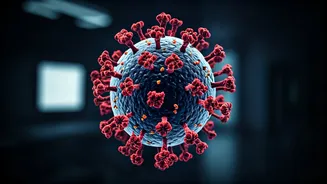








As India reports fresh cases of the Nipah virus in West Bengal, health authorities and neighbouring countries are stepping up precautionary measures. Airports in Thailand, Nepal, Taiwan, and China have
reintroduced screenings reminiscent of the Covid era, reflecting heightened vigilance. For travellers and residents alike, understanding how Nipah spreads and who is most at risk has never been more important.
What Is Nipah Virus?
Nipah virus (NiV) is a zoonotic pathogen, primarily carried by fruit bats, though pigs and other animals can also transmit it.
Humans can contract it through:
- Direct contact with bodily fluids such as saliva, blood, urine, or stool from infected animals,
- Consumption of contaminated food, including partially eaten fruit or raw date palm sap, and
- Close contact with infected individuals, particularly in caregiving settings.
Symptoms can appear between four and fourteen days after exposure and range from mild flu-like signs. The symptoms include fever, headache, cough, sore throat, vomiting; to severe neurological complications such as encephalitis, seizures, confusion, and coma. While some individuals experience mild illness, others can develop life-threatening conditions, making early detection and isolation critical.
Who Is At Highest Risk?
Healthcare workers, family caregivers, farmers, animal handlers, and residents in outbreak-prone areas are particularly vulnerable. People with compromised immunity may experience more severe disease. According to experts, close and prolonged contact is the main driver of transmission; casual encounters in public spaces are less risky.
Prevention And Safety Measures
With no specific treatment or vaccine available, prevention is key. Health authorities recommend:
- Avoiding contact with bats, pigs, and other potential carriers in outbreak regions
- Steering clear of foods that could be contaminated, like raw date palm sap or partially eaten fruits
- Following strict hygiene and infection-control practices, including protective equipment and thorough surface disinfection
Monitoring early symptoms, isolating suspected cases, and supporting gut and overall health through clean, nutrient-rich diets can also aid recovery and reduce complications.
Nipah outbreaks have occurred almost annually in parts of India and Bangladesh. First identified in Malaysia in 1999, the virus has since caused multiple regional outbreaks, prompting public health vigilance across Asia. With increased travel during major festivals, awareness and preventive practices are essential to minimize spread.