







Persistent tiredness, mild bleeding, and frequent infections are often brushed off as stress, ageing, or seasonal illness. However, when these symptoms continue despite adequate rest and basic treatment,
they may point to something far more serious, early bone marrow failure.
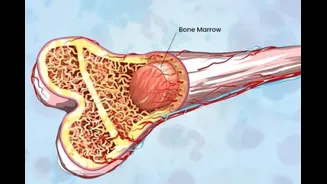
As Dr Pawan Kumar Singh, Vice Chairman – Haemato-Oncology & BMT (Oncology), ShardaCare Healthcity explains, “Bone marrow is the soft tissue inside our bones that produces blood cells, including red blood cells, white blood cells, and platelets. When the bone marrow does not function properly, the body’s ability to carry oxygen, fight infections, and prevent bleeding becomes compromised.”
Early signs are often subtle, which is why awareness is crucial.
What Is Bone Marrow Failure and How Common Is It?
“Bone marrow failure occurs when the marrow is unable to produce enough healthy blood cells,” says Dr Singh. Conditions such as aplastic anemia and certain inherited or acquired marrow disorders fall under this category.
While these conditions are considered rare, they are increasingly being detected in India due to better diagnostic awareness. Unfortunately, many patients present late because early symptoms are mistaken for common health issues.
Dr. Singh adds, “Bone marrow failure can result from immune system problems, infections, exposure to certain drugs or chemicals, genetic factors, or unknown causes. Early detection can significantly improve outcomes.”
Early Warning Signs: Risk Factors and Symptoms
Risk Factors
Dr. Singh notes that some individuals are at a higher risk of developing bone marrow disorders:
History of autoimmune diseases or viral infections
Exposure to chemotherapy, radiation, or toxic chemicals, especially certain pesticides
Long-term use of certain medications
Family history of blood or bone marrow disorders
Symptoms to Watch For
“These symptoms may appear gradually and worsen over time, making them easy to ignore in the early stages,” cautions Dr. Singh:
Persistent fatigue and weakness due to low red blood cells (anemia)
Recurrent infections caused by low white blood cell counts
Frequent fevers and slow recovery from common illnesses
Easy bruising, bleeding gums, or frequent nosebleeds due to low platelets
Shortness of breath, pale skin, or dizziness
Who Should Be More Alert?
“Recognising patterns rather than isolated symptoms is key,” says Dr. Singh. Certain groups need to be especially vigilant:
Children and young adults, as some marrow disorders can appear early in life
Older adults, where symptoms may overlap with age-related fatigue
Patients with unexplained anemia or low blood counts
Individuals with repeated infections without a clear cause
Those not responding to routine treatments or supplements
Why Early Specialist Evaluation Is Essential
“If fatigue and infections persist, it is essential to consult a doctor and undergo proper blood investigations,” advises Dr Singh. Abnormal blood counts may indicate bone marrow involvement, requiring evaluation by a hematologist or hemato-oncologist.
“Early diagnosis allows for timely treatment, which may include medications, immune-based therapies, supportive care, or, in advanced cases, bone marrow transplantation,” he explains.
“Persistent fatigue and recurrent infections should never be ignored or self-treated for long periods,” emphasizes Dr. Singh. “These symptoms may be the body’s early warning signals of bone marrow failure, conditions that require prompt and specialised medical attention.”
Early diagnosis not only improves treatment success but can also be life-saving. Listening to your body and seeking expert care at the right time can make all the difference.