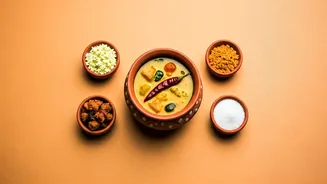






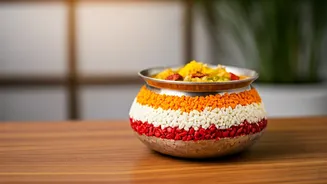
As families across South India prepare to celebrate Ugadi 2026, homes are being cleaned, entrances decorated with rangoli, and kitchens filled with festive aromas. But beyond the celebrations and festive meals,
Ugadi is deeply rooted in rituals that symbolise renewal, gratitude, and spiritual reflection.
The preparations for the Ugadi pooja often begin with arranging simple yet meaningful items that help create a sacred and serene atmosphere for prayer.
“Ugadi is more than a calendar change, it is a moment of genuine renewal. The way you prepare your space for pooja sets the tone for everything that follows,” says Sumit Govind Sharma, founder, AuRafesT (Manufacturers of PRANOM Incense Sticks).
He notes that while rituals may vary slightly across regions, certain essential pooja samagri items remain central to Ugadi celebrations.
7 Essential Ugadi Pooja Samagri Items
According to Sharma, these seven items help create a spiritually meaningful Ugadi pooja setup:
Idols or figurines of Lord Ganesha or your chosen deity – These form the focal point of the altar and symbolise divine blessings and protection.
Incense sticks – Fragrant incense purifies the environment and helps create a calm, meditative atmosphere for prayer.
Diya (oil lamp) – Lighting a diya represents the triumph of light over darkness and knowledge over ignorance.
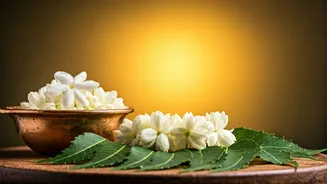
Fresh flowers – Flowers symbolise devotion, purity, and the beauty of nature offered to the divine.
Kumkum and turmeric – These sacred powders represent auspiciousness, prosperity, and positive energy.
Seasonal fruits or naivedyam – Fruits or traditional offerings express gratitude and devotion to the divine.
Home fragrance or diffuser – A gentle fragrance enhances the spiritual ambience, making the space peaceful and welcoming.
A Blend of Tradition and Thoughtful Rituals
In recent years, many families have begun paying closer attention to the details of their pooja preparations from handcrafted incense holders to thoughtfully designed spiritual décor.
Sharma believes this reflects a broader shift toward intentional spirituality. “What we are seeing today is a beautiful blending of tradition and intention. Families are choosing handcrafted, thoughtfully designed spiritual essentials not because they want to modernise the ritual, but because they want to deepen it,” he says.
According to him, the essence of Ugadi has always been about welcoming new beginnings while honouring enduring traditions.
Welcoming the New Year with Intention
Ugadi marks the beginning of a new year in the Telugu and Kannada calendars, symbolising hope, renewal, and fresh opportunities. As families gather to perform rituals and offer prayers, the preparation of the pooja space becomes a moment of reflection in itself.
“As you light your diya this Ugadi, may your preparations be as meaningful as your prayers and may the year ahead bring peace, prosperity, and new beginnings,” adds Sharma.
After all, the spirit of Ugadi lies not only in grand celebrations, but in the simple rituals that help families pause, reflect, and step into the new year with gratitude and hope.