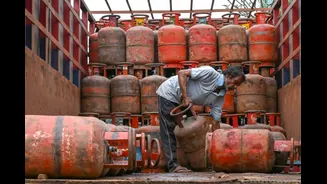









Bengaluru’s peak wedding season is facing an unexpected disruption as a shortage of commercial LPG cylinders begins to affect catering services across the city. With gas supplies reportedly unavailable
since 9 March, many caterers say they are struggling to cook for large wedding gatherings, forcing some to cancel bookings, cut down elaborate menus and search for temporary alternatives.
As marriage halls fill up for Ugadi and summer weddings, the fuel shortage is leaving both families and catering businesses uncertain about how upcoming celebrations will be managed.
Caterers across the city say supplies of commercial LPG have not been available since 9 March, leaving many kitchens without the fuel needed to prepare large wedding feasts. The shortage has affected banquet halls, catering firms and small food providers who rely heavily on LPG for cooking during large gatherings.
Wedding caterers typically prepare meals for 500 to 2,000 guests in a single day. Without gas, equipment such as tandoors, burners and steamers cannot operate, bringing food preparation to a halt. Several catering operators say their existing gas stocks now last only four to five days, forcing them to stop accepting new bookings until supplies stabilise.
One catering operator in HSR Layout said he had recently opened a restaurant but had to close within a week because LPG deliveries never arrived despite advance orders. Similar concerns have been reported by catering businesses across the city.
Event organisers say some caterers are trying to switch to coal-based cooking to keep wedding services running. However, this alternative is creating its own challenges. Caterers report that food quality has suffered, with rotis turning hard and biryani losing its flavour. Cooking times have also increased, delaying service at events.
The shortage comes at a particularly difficult time, as weddings linked to the Ugadi festival and summer marriage season are taking place simultaneously. Marriage halls in areas such as Whitefield and Jayanagar say the situation has already forced some families to cancel or modify their celebrations.
In several cases, families have reduced wedding menus from around 20 dishes to 10 in order to manage limited fuel supplies. Others have considered switching to electric cooking systems, though organisers say this option significantly increases costs.
The shortage has also affected smaller businesses such as paying guest accommodations and local food providers that cater to wedding guests and extended families.
According to industry representatives, global tensions in West Asia have affected gas imports, prompting authorities to prioritise domestic LPG supply for households and hospitals over commercial use.
Karnataka Chief Minister Siddaramaiah has written to Union Petroleum Minister Hardeep Singh Puri seeking urgent intervention. He highlighted the importance of the wedding catering sector, which supports livelihoods for thousands of workers across the state.
The Karnataka Wedding Caterers Association has urged the government to release emergency LPG allocations and warned that the industry may launch protests if supplies are not restored by 15 March.
Meanwhile, reports suggest commercial LPG cylinders are being sold on the black market for as much as Rs 5,000 each, compared with the official price of around Rs 2,200.
Industry veteran PC Rao has warned that prolonged shortages could put nearly 50,000 jobs at risk if the situation continues.
Oil companies have indicated that production may increase, but caterers and families across Bengaluru remain uncertain as wedding celebrations continue to depend heavily on the availability of LPG.