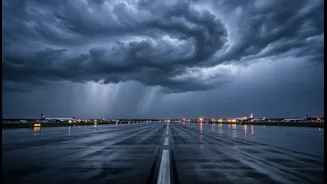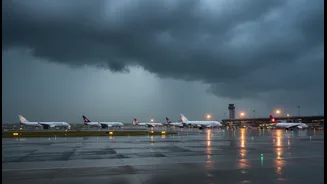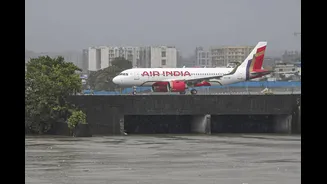










Mumbai is once again under the grip of intense monsoon rains, causing major headaches for travelers flying in or out of the city or planning train journeys. The India Meteorological Department (IMD) has
issued Orange Alerts, warning of heavy to very heavy rainfall accompanied by strong winds. This has led to flight delays, cancellations, diversions, and disruptions in local and long-distance train services.
Torrential monsoon rains have triggered severe disruptions across Mumbai, heavily impacting air travel and ground transportation networks. Substantial downpours over consecutive days caused extensive waterlogging on major roads and railway tracks, forcing regional train services to divert or reschedule.
At Chhatrapati Shivaji Maharaj International Airport (BOM), reduced visibility and gusty winds reaching up to 42 knots led authorities to temporarily suspend runway operations. The resulting backlog caused widespread cancellations, long departure delays averaging over an hour, and multiple arriving flights to be diverted to nearby airports.
With more rain forecast, major domestic carriers including IndiGo, Air India, Akasa Air, and SpiceJet have issued urgent travel advisories.
Mumbai Rains: Which Flights Are Diverted or Cancelled?
Flight operations at CSMIA faced severe bottlenecks over the weekend and into the week, resulting in at least 17 domestic and international cancellations and over 300 delayed flights.
India’s largest domestic carriers have updated their networks on social channels to alert travelers to immediate delays and schedule adjustments:
IndiGo
The airline noted that heavy rainfall in Mumbai and Pune continues to impact arriving and departing services. Passengers are urged to check digital flight trackers online before starting their journey.
Air India
Issuing safety and schedule alerts, Air India warned that extreme weather could heavily alter flight timelines connecting both Mumbai and New Delhi.
SpiceJet
The airline cautioned that heavy downpours are severely bottlenecking consecutive departures and arrivals, creating a ripple effect across connecting network routes.
Akasa Air
Akasa has adjusted its operations out of the region and cancelled select flights to avoid localized runway constraints and weather hazards.
Mumbai Rains: Local and Intercity Trains Affected
The railway network has been heavily impacted by track waterlogging across the Mumbai Central Division. The Western Railway cancelled several Mainline Electric Multiple Unit (MEMU) services, including routes connecting Dahanu Road, Panvel, and Vasai Road.
The heavy monsoon showers, which dumped over 250 to 300 mm of rain in isolated pockets within 24 hours, have severely affected public infrastructure. Key local rail paths are heavily delayed or waterlogged, causing central routes like the Indrayani Express and the Deccan Queen to face cancellations or sudden re-routing.
Simultaneously, vehicular traffic on major municipal flyovers and highways has slowed down significantly due to deep standing water, complicating travel times for airport-bound commuters.
On the Central Railway network, a landslide on the South East Ghat section between Karjat and Lonavala forced the suspension of Karjat-Khopoli services. While suburban local trains continue to run, they are facing delays of 10 to 15 minutes across major lines, and a strict 15 km/h speed restriction has been implemented on the Saphale-Vaitarna route due to rising water levels near railway bridges.
Is Road Travel Safe Between Mumbai and Pune?
Road travel is highly discouraged. The Maharashtra State Road Development Corporation (MSRDC) issued a public appeal confirming that traffic in both directions on the Pune-Mumbai Expressway and the old Mumbai-Pune Highway has been temporarily halted or heavily diverted due to the Khandala landslide. Emergency teams are working to clear rock debris, and authorities have advised citizens to avoid non-essential travel.
How Can Travelers Prepare For Mumbai Monsoon?
Here are practical tips for anyone traveling to or through Mumbai during this weather:
Check updates regularly: Use airline apps, railway websites, and IMD forecasts.
Allow buffer time: Reach the airport or station much earlier than usual due to traffic snarls.
Pack smart: Carry rain gear, power banks, snacks, and any necessary medications.
Stay informed on alternatives: Have backup plans like rescheduling or using different modes of transport.
Contact support: Airlines like SpiceJet have noted helpline issues — use social media channels if phone lines are down.