

For decades, fashion has equated abundance with aspiration more collections, more trends, more purchases. But a quiet recalibration is underway. Consumers are beginning to question whether overflowing
wardrobes truly translate to better style. Increasingly, the answer is no. Instead, circular fashion is redefining modern living, offering a lifestyle upgrade built on intention, longevity, and smarter choices.
For Amar Nagaram, Founder and CEO, VIRGIO, this shift signals a fundamental change in how fashion is produced and consumed. “Circular fashion challenges the traditional model of overproduction,” he explains. “Rather than flooding the market with excess inventory, brands are moving towards demand-led production, creating only what is likely to sell.” This approach not only reduces waste but also allows brands to focus on relevance, functionality, and thoughtful design.
Technology, Nagaram notes, is central to enabling this transition. By tracking trends and predicting demand more accurately, brands can align production timelines with real consumer needs. The result is a system where style is no longer driven by relentless novelty but by purpose. “In a circular model, design is meant to last beyond a single season,” he says, pointing to sustainable fabrics and inclusive sizing as key elements that reflect real lifestyles rather than idealised ones.
This evolution resonates strongly with younger consumers who value transparency and responsibility as much as aesthetics. As digital-first brands expand beyond metro cities into tier 2 and tier 3 markets, circular fashion is becoming more accessible and community-driven. Shopping less, in this context, doesn’t feel like restraint, it feels like refinement.
That idea is echoed by Rashmi Chopra, Founder and CEO, DigiCloset, who views circular fashion as a mindset shift rather than a sacrifice. “Less shopping no longer signals compromise,” she says. “It reflects confidence, clarity, and conscious choice.” According to Chopra, today’s consumers are moving away from impulse-driven trends and building wardrobes rooted in longevity, versatility, and purpose.
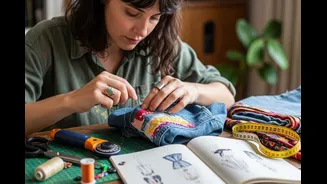
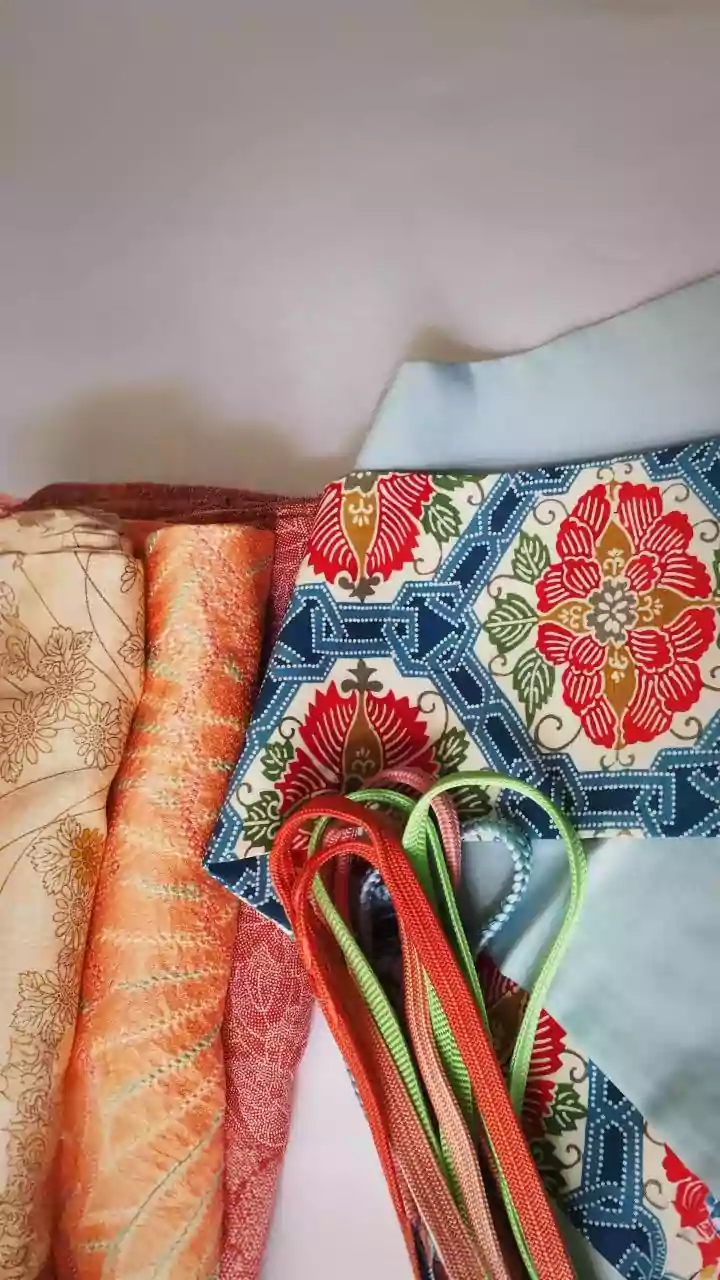
Circular models, resale, rental, repair, and upcycling allow individuals to engage with fashion more creatively. “Minimalism isn’t about owning less for the sake of it,” Chopra explains. “It’s about owning better pieces that adapt across seasons and tell a story.” In this way, circular fashion transforms sustainability from a restriction into an aspiration.
Beyond environmental impact, Chopra highlights a broader cultural shift. People increasingly want their purchases to align with how they live, work, and identify themselves. Thoughtful curation replaces excess, and quality, fit, and relevance take precedence over volume. “Better style today isn’t defined by how much we buy,” she says, “but by how intelligently and responsibly we choose.”
Together, these perspectives point to a future where fashion is slower, smarter, and more meaningful. Circular fashion isn’t just a trend or a sustainability buzzword, it’s a lifestyle upgrade. One where restraint becomes stylish, reuse feels innovative, and conscious choices elevate everyday living.