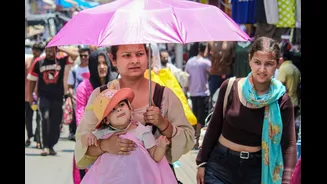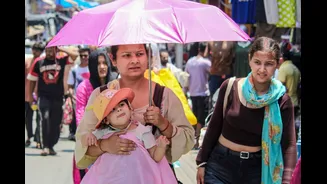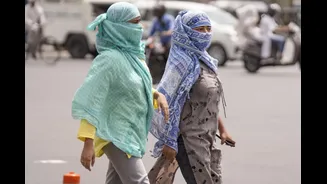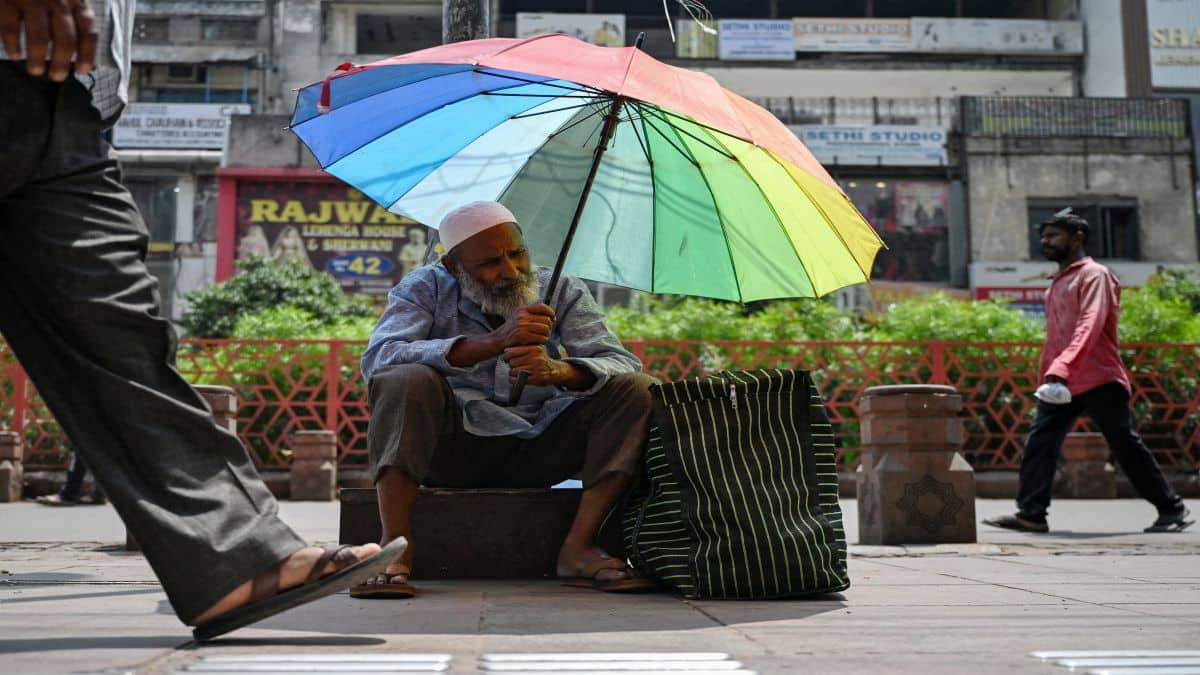






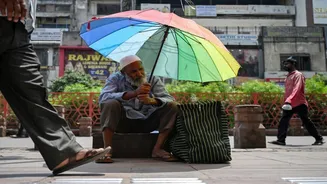
As India swelters under an intense heat, the India Meteorological Department (IMD) has issued repeated warnings of heat wave to severe heat wave conditions across large parts of northwest, central, and
eastern India. Temperatures have soared above 45°C in several regions, with Delhi, Rajasthan, Punjab, Haryana, Uttar Pradesh, Madhya Pradesh, and Vidarbha among the worst affected.
Officials have also warned of above-normal heatwave days this May, with prolonged exposure to extreme heat becoming a growing public health concern. Meanwhile, hospitals and health experts are increasingly warning people not to ignore early signs of heat-related illness.
Feeling dizzy after stepping outdoors, excessive sweating, dehydration or fatigue are often casually dismissed as “heatstroke”. But medically, heat exhaustion and heat stroke are not the same thing — and understanding the difference could become critical during extreme temperatures. What begins as heat exhaustion can sometimes escalate into heat stroke, a medical emergency that requires immediate treatment.
So how do you tell the difference? To understand how best to stay safe, we spoke to Dr. Sameer Bhati, Public Health Analyst, who shared practical insights on the difference, who is at risk and how to respond.
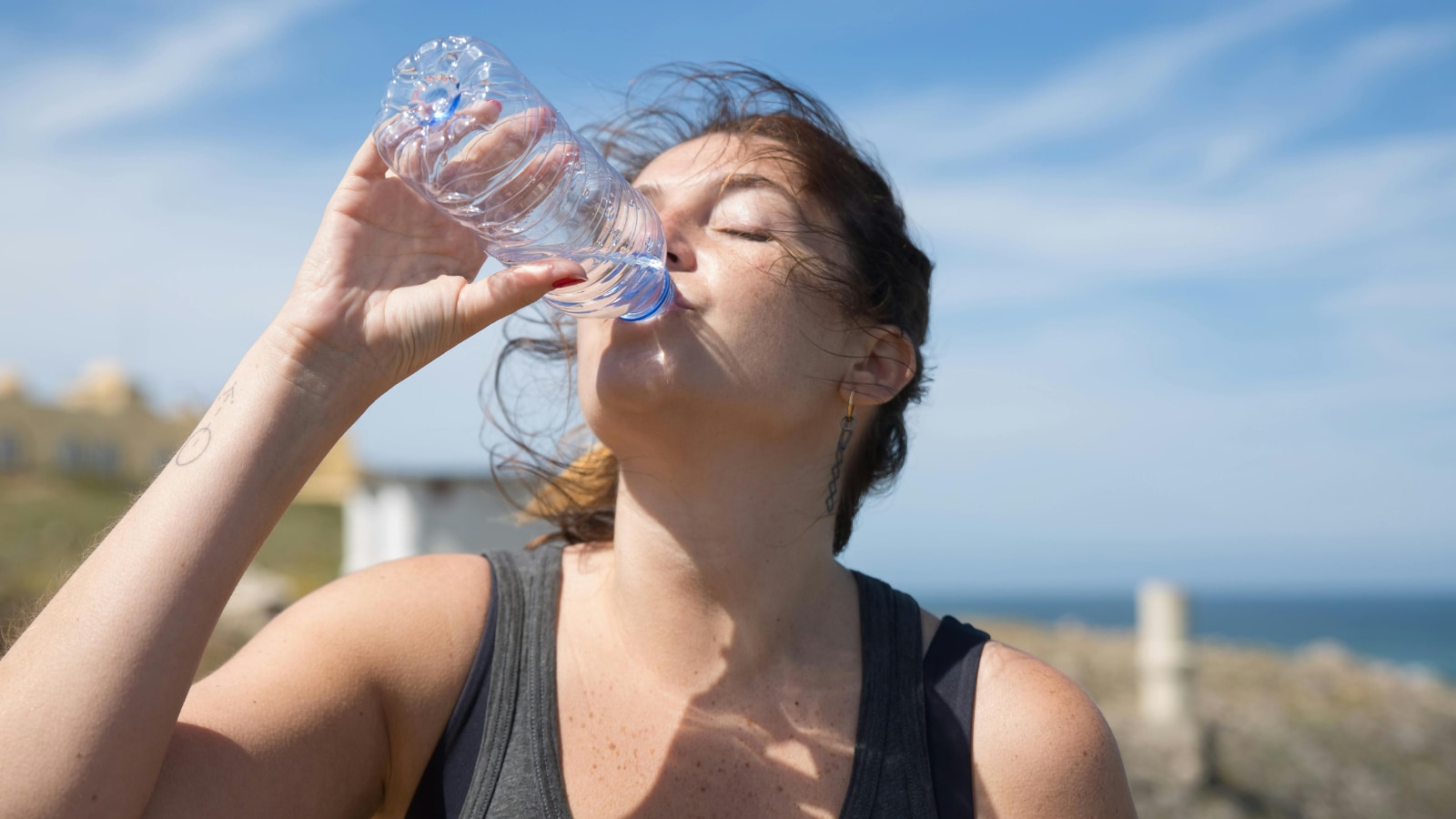
What Is Heat Exhaustion?
Heat exhaustion occurs when the body loses excessive water and salt through heavy sweating, typically in hot conditions. It is often described as an early warning stage that can progress to heat stroke if not addressed promptly.
Common symptoms of heat exhaustion include:
- Feeling overly tired or weak
- Nausea or vomiting
- Dizziness or brief fainting
- Cool, clammy skin that may appear flushed or pale
- Headache
- Heavy sweating
- Elevated body temperature (usually below the dangerous threshold of heat stroke)
Dr. Bhati warns, “Dehydration begins its first stages without detectable symptoms. The first signs appear through fatigue, dizziness, dry mouth and lessened urination. Medical professionals who wait too long face two possible outcomes: they will either miss detection or their patient will need urgent medical evaluation.”
What Is Heat Stroke?
Heat stroke is far more serious and constitutes a medical emergency. It happens when the body can no longer regulate its temperature, causing it to rise rapidly — sometimes to 106°F (41°C) or higher. This can lead to permanent organ damage or death if emergency treatment is not provided immediately.
Key symptoms of heat stroke include:
- Confusion, slurred speech, or altered mental state
- Hot, dry skin (sweating may stop)
- Extremely high body temperature (above 104°F / 40°C)
- Rapid pulse and heart rate
- Seizures
- Loss of consciousness
Dr. Bhati describes heat stroke starkly, “Heatstroke occurs when the body loses its ability to control its temperature. The symptoms include high body temperature, confusion, nausea, and altered consciousness. Severe cases require clinical imaging and diagnostic assessments to determine effects on vital organs, especially the brain and kidneys.”
Which Heat-Related Illness Is More Dangerous?
Heat stroke is significantly more dangerous. While heat exhaustion is serious and requires prompt attention, it is generally reversible with cooling and rehydration. Heat stroke, however, is life-threatening and demands immediate emergency medical intervention. If left untreated, it can cause irreversible damage to the brain, heart, kidneys, liver, and muscles.
The progression is particularly concerning: untreated heat exhaustion can develop into heat stroke, often within a short time in extreme conditions.
What Are The Most Dangerous Hours To Step Outside in Summers?
According to IMD and government health advisories, avoid going outdoors between 12 PM and 4 PM, the peak heat hours when the sun is strongest and the risk of heat-related illnesses rises sharply.
Some guidelines extend this window to 11 AM–4 PM for extra caution, especially for vulnerable groups. Strenuous outdoor activities, prolonged sun exposure, and non-essential travel should be strictly minimised during this period.
Dr. Bhati emphasises practical steps, “Avoid outdoor exposure during peak heat hours. Wear breathable, light-coloured clothing and ensure proper hydration throughout the day. Those in high-exposure environments should take structured breaks and monitor their physical condition regularly.”
Heat Stroke Vs Heat Exhaustion: How to Respond
For heat exhaustion:
- Move to a cool, shaded area immediately
- Lie down with legs elevated
- Remove excess clothing
- Apply cool, wet cloths and fan the person
- Offer sips of cool water or oral rehydration fluids
- Monitor closely — seek medical help if no improvement within 30 minutes
For suspected heat stroke:
- Call emergency services immediately
- Move to shade and remove outer clothing
- Cool the body rapidly using cold water, wet cloths, or ice packs on the neck, armpits, and groin
- Do not give fluids if the person is unconscious or confused
Prevention Tips for Indian Summers
“Increased temperatures create additional demands on the body which operates without its normal functions,” explains Dr. Bhati. “The clinical findings show that mild dehydration impacts both blood circulation and organ performance. The body requires regular fluid consumption to maintain its temperature and metabolic functions.” He particularly recommends coconut water and buttermilk as excellent choices to restore essential electrolytes.
- Stay hydrated by drinking water regularly — do not wait until you feel thirsty
- Wear loose, light-coloured, breathable cotton clothing
- Use umbrellas, hats, and sunglasses when outside
- Never leave children, elderly people, or pets in parked vehicles
- Take frequent breaks if working outdoors
- Ensure good ventilation at home and avoid strenuous activity during the hottest parts of the day