


As winter sets in, our bodies naturally crave foods that provide warmth, sustained energy, and digestive comfort. Long before nutrition became a modern science, Indian festive foods were designed around
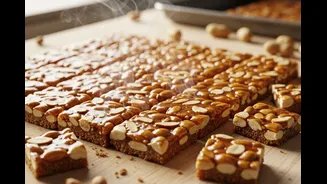
seasonal needs and til (sesame) and peanut chikkis made with pure ghee are among the most enduring examples of this wisdom. Far from being mere festive indulgences, these traditional treats serve a functional purpose during seasonal transition.
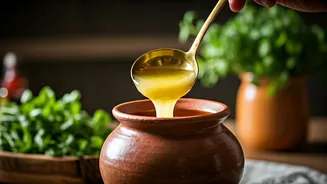
Akshali Shah, Executive Director, Parag Milk Foods, believes winter eating in India has always been shaped by climate and physiology rather than excess. She explains that sesame seeds and peanuts are naturally rich in healthy fats, protein, and essential minerals, while ghee plays a crucial role in enhancing digestion and nutrient absorption. Together, this combination provides steady energy and internal warmth, exactly what the body needs as temperatures drop and metabolism adjusts.
Shah also highlights ghee’s functional importance beyond taste. Ghee supports gut health, aids the absorption of fat-soluble vitamins, and helps counter the dryness and sluggish digestion that many people experience in winter. This is why festive foods prepared with ghee tend to feel more nourishing and satisfying rather than heavy or overly sweet. She adds that modern consumers are rediscovering these traditional combinations with greater nutritional awareness, realising that festive eating can be both intentional and health-forward when consumed in moderation.
From a clinical nutrition perspective, Anshul Singh, Team Lead and Clinical Nutritionist, Artemis Hospitals, notes that til and peanut chikkis align perfectly with winter dietary needs. As colder weather increases the body’s energy demands, chikkis provide a natural fuel source through healthy fats, plant-based protein, and the natural sugars found in jaggery.
Singh explains that sesame seeds are particularly beneficial for digestion and mineral absorption, supplying calcium, iron, and magnesium that support bone health and muscle function during winter. Peanuts contribute satiety and sustained energy, preventing sudden fatigue, while jaggery supports gut health and improves mineral bioavailability compared to refined sugar. With physical activity often reducing in colder months, these easy-to-digest snacks help keep the digestive system active while offering comfort and warmth.
Adding a food systems and nutrition lens, Deepak Agrawal, Co-founder and CBO, Proventus Agrocom Ltd, emphasises that til and peanut chikkis represent culturally rooted seasonal nutrition. Til is rich in healthy fats, antioxidants, calcium, and iron, supporting immunity, bone health, and internal heat generation. Peanuts, as nutrient-dense legumes, add fibre and protein that help maintain energy levels throughout the day.
Agrawal points out that the combination of fats and fibre in these chikkis improves digestion and enhances the absorption of fat-soluble vitamins. Made with simple, minimally processed ingredients, ghee-based chikkis are not only energy-dense but also functionally supportive during seasonal shifts. As consumers increasingly seek foods that blend tradition with nutrition, til and peanut chikkis continue to remain both relevant and reliable winter essentials.
In essence, til and peanut chikkis made with pure ghee are a reminder that festive foods can nourish as much as they delight, offering warmth, balance, and sustained energy when the body needs it most.