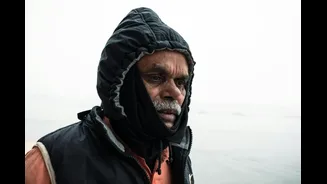








India’s population of senior citizens is expected to rise to around 230 million by 2036, comprising about 15% of the total population, and as winter 2025 approaches with temperatures falling along with poor
air quality, especially in northern towns, these months turn out to be extremely challenging for the elderly population.
The winter season often leads to a higher incidence of heart difficulties, musculoskeletal pain, respiratory issues, and lower immunity. With increasing pollution exposure, these challenges create an opportunity for older individuals, particularly those who are 60 years or older and living with chronic illness, to experience even greater difficulty managing their health.
Better nutrition, immunisations, increased indoor air safety, and routine doctor visits can all help older people stay resilient, safeguard their health, and make the most of their winter season.
We speak to Sonia Mehta, clinical nutritionist, to understand what measures should be taken to keep the elderly comfortable during the colder months:
The Seasonal Challenge of Aging Well
As the senior population is projected to grow, the country will also undergo a transition with issues related to falling fertility and rising life expectancy rates, with the added complexity of health needs. Winter months don’t offer the best conditions, with cold weather heightening the risk of cardiovascular disease, respiratory problems, and joint pain, and in many cases, a reduction in mobility also leads to isolation and depression. Things worsen when air quality is poor, as it has been in the last few years in Delhi, Lucknow, and Agra, where the Air Quality Index commonly crosses 300. Studies have reported that older adults are especially sensitive to exposure to fine particulate matter (PM2.5), which can trigger asthma, bronchitis, and cognitive decline.
Ensuring healthy ageing requires care that goes beyond regular medical check-ups. There are holistic care models designed to enhance independence and vitality in older adults that combine medical oversight with physical activity, cognitive engagement, and social connectedness. Infusing preventive medical care into everyday life through physical activity, rehabilitation, and productive social engagement, older adults are able to manage risk factors while remaining active, engaged, and confident in daily living.
Wellness Centres as Safe Havens
Daycare and wellness centres that are specifically designed for seniors can play a transformative role during winter. These centres provide a structured environment during the day, which acts as an important support system for older adults who spend long hours alone at home. Occupational therapy, physiotherapy, and customised gym sessions encourage mobility and independence, while supervised group activities address emotional well-being.
Some centres now offer pick-up and drop-off services, which serve as great enablers for families balancing professional and caregiving responsibilities. This convenience allows more seniors to access facilities regularly, ensuring they remain active and socially connected throughout the season.
A Community-Based Approach
Winter wellness thrives on community involvement and goes beyond clinical care. Partnerships between residential clubs, wellness centres, and local groups are strengthening senior support systems throughout cities. These partnerships provide health presentations, screening drives, and interactive events that facilitate more transparent and relevant discussions around ageing and mental health.
Collaborative clinics with hospitals and specialists provide access to older adults who may not seek regular visits to clinics. This type of clinic provides an opportunity to discover undiagnosed chronic conditions early and enhance a culture of preventative care in the community.
Family members, volunteers, and carers remain at the forefront of this work. Ageing family members who participate actively in programmes designed for older adults, especially the early middle-aged adults (35-50), provide their elders with continued care and daily emotional support and advance the elders’ sense of safety.
Integrating Clinical and Recreational Wellness
Modern senior wellness centres are revolutionising the way we think about caring for older adults by integrating medical, therapeutic, and recreational programmes all under one roof. Comprehensive Geriatric Assessments (CGA) involve more than medical assessments, such as rehab activities and gym exercises, tailored around age and health status. The already scheduled centres, which typically last for two to three hours every time you see any one of them, have a doctor, a therapist, a fitness trainer, and a psychologist all working together as a team.
To make these programmes more accessible, many centres now offer weekly trial plans and flexible memberships. Seniors can choose from recreational activities or integrated health sessions that match their comfort and medical needs. This balance of choice and professional guidance encourages regular participation and helps build lasting habits for better overall wellness.