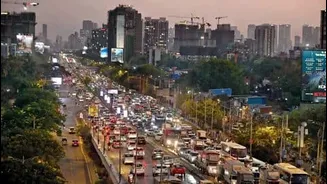








Mumbai is a city that lives and breathes by the clock. From the frantic dash to catch the 8:12 local to the agonising crawl of the Western Express Highway, “time” is the most expensive luxury in the Maximum
City.
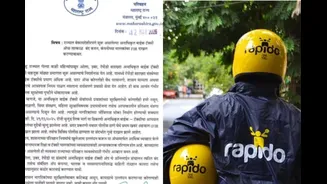
But as the Maharashtra government moves to pull the plug on app-based bike taxis like Rapido, Uber, and Ola, Mumbaikars are pushing back. The hashtag #BikeTaxiBanNako (No Bike Taxi Ban) has exploded across social media, with a debate going on about survival, safety, and the city’s gig economy.
Why Is Mumbai Planning To Ban Bike Taxis?
Transport Minister Pratap Sarnaik’s wants to shut down bike taxis in the state. He has been citing a lack of valid permits, insurance gaps, and safety concerns, particularly for women, and the government is shifting from simple fines to criminal proceedings.
According to data, between April 2025 and March 2026, the State Transport Authority went on a blitz and found 715 Rapido-linked bikes, detaining 110 vehicles. ₹11.85 Lakh+ was collected in fines while 14 FIRs were lodged in early 2026 alone.
While the government argues this protects licensed auto-rickshaw drivers and ensures passenger safety, the “common man” on the street sees a different reality.
Voices From The Street: “It’s Not Just a Ride, It’s a Life”
For the average commuter, the ban feels like a step backward. On X (formerly Twitter), the sentiment is overwhelmingly in favour of keeping the wheels turning. “Bike taxi work gave many Marathi Manus youth a practical way to earn with dignity in Mumbai’s difficult economy. Every ride helped support homes, studies, and daily survival,” wrote one user.
For many Marathi Manus families bike taxi income became an important support in Mumbai life #BikeTaxiBanNako pic.twitter.com/hKtCrsc9pY
— Tarun Yadav (@TarunYadav1139) May 13, 2026
In a city where a 5km commute can take 45 minutes in a cab, the bike taxi is the ultimate respite from traffic. “#BikeTaxiBanNako isn’t just about rides. It’s about affordable mobility, jobs, and saving hours stuck in traffic. Don’t punish commuters and gig workers for policy failures,” added another user.
Banning bike taxis won’t reduce traffic. It will only make daily commute slower, costlier, and more frustrating for lakhs of people. We need regulation, not elimination. #BikeTaxiBanNakopic.twitter.com/TILmVST4XK
— Chandrima ❤️ (@Rolex947254) May 13, 2026
The ban leaves commuters at the mercy of the often-frustrating auto-rickshaw experience. “Why should commuters suffer with expensive autos and endless cancellations when a practical solution already exists?”
The government’s primary leverage is safety. Without commercial registration, passengers aren’t covered by the same insurance as “yellow-plate” taxis. There are also valid concerns regarding driver verification and the lack of emergency response systems integrated with local police. However, supporters argue that instead of a ban, the state should focus on regulation. “Banning bike taxis won’t reduce traffic. It will only make daily commute slower, costlier, and more frustrating for lakhs of people. We need regulation, not elimination,” wrote one user.