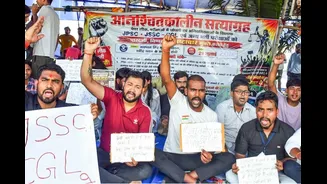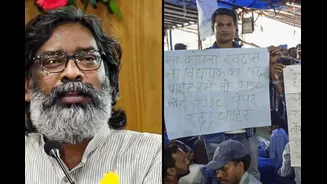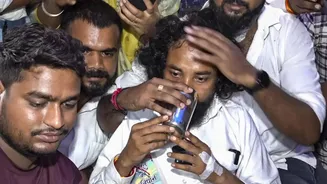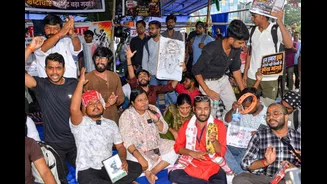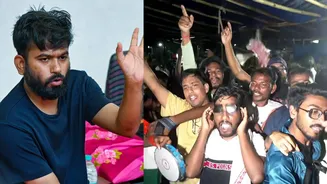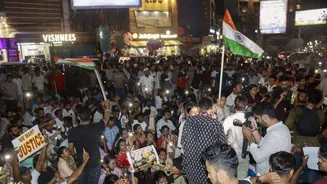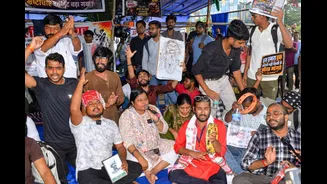





The Jharkhand High Court has stayed the state government’s notification to cancel 22 recruitment examinations. The decision brings interim relief to nearly 3,000 appointed employees and successful candidates
who faced sudden job loss after the Hemant Soren-led administration scrapped tests conducted via private agency TSR Data Processing Pvt Ltd (TDPL) following paper leak allegations.
With the High Court instructing selected candidates to resume their duties immediately, the legal tussle between appointed officers, protesting student bodies, and the state government enters a complex new phase.
Scenario 1: Immediate Status Quo and Reinstatement of Selected Candidates
The most direct outcome of the High Court stay is the immediate restoration of employment for recruits across major state departments. Affected cadres include Assistant Professors, Civil Judges, Food Safety Officers, Deputy Collectors, and JSSC-CGL appointees.
- Duty Resumption: The court’s interim ruling explicitly allows appointed personnel to rejoin their respective administrative departments without fear of termination until the next hearing.
- Application of Natural Justice: The High Court accepted the petitioners’ argument that blanket cancellation without individual hearings or proving individual fraud violates fundamental rights under Article 14 and Article 21 of the Constitution.
Scenario 2: The ‘Tainted vs Untainted’ Legal Segregation Mandate
Historically, the Supreme Court of India has held that entire competitive examinations should not be scrapped if untainted, meritorious candidates can be segregated from those who used fraudulent means.
- Targeted Disqualification: The High Court may direct the state’s Crime Investigation Department (CID) and Special Investigation Team (SIT) to submit detailed lists identifying specific individuals who benefited from paper leaks or administrative manipulation.
- Preserving Meritorious Appointments: Rather than a total cancellation, only candidate appointments linked to documented malpractices would be voided, protecting the livelihoods of legitimate recruits.
Scenario 3: State Government Appeal Before the Supreme Court
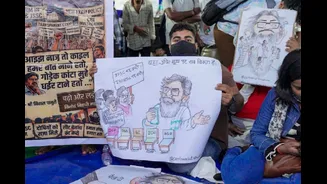
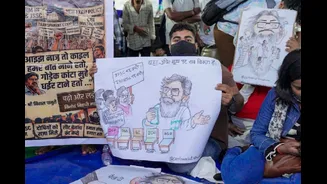
Faced with a massive political setback after concluding a 26-day student agitation, the Jharkhand government may challenge the High Court’s interim stay before the Supreme Court.
- Defending Cabinet Orders: The state administration could argue before the apex court that systemic corruption linked to the external examination agency compromised the integrity of the selection process entirely.
- Protracted Judicial Battle: A Special Leave Petition (SLP) in the Supreme Court would extend legal uncertainty, leaving both newly appointed candidates and job seekers in administrative limbo for months.
Scenario 4: Fast-Track Reform Committee and Fresh Notification Framework
Parallel to the court proceedings, the state government has instituted a high-level exam reforms committee headed by senior IAS officer Amitabh Kaushal to audit recruitment protocols.
- Policy Overhaul: The committee’s upcoming report could introduce stringent legislative norms to replace private testing agencies with direct, state-monitored examination boards.
- Conditional Retests: If the High Court ultimately upholds any partial cancellation after evaluating final CID investigation reports, the state may conduct fast-tracked re-examinations with age-relaxation benefits for non-appointed candidates.