
Year-end celebrations often arrive with a shift in routine, late nights, richer meals, more alcohol, and irregular eating patterns. While festive indulgence is part of the joy, it can quietly place extra
stress on the digestive system. The good news is that maintaining gut health during this season doesn’t require rigid food rules or deprivation. Instead, it’s about understanding how the gut responds to festive habits and supporting it with mindful, science-backed choices.
Balance, Not Restriction, Is the Foundation
According to Sonia Mehta, Clinical Nutritionist and Founder, EverBloom, digestive discomfort during the holidays often stems from disrupted routines rather than individual foods. “When meal timings change, portion sizes increase, and sleep is compromised, digestion naturally slows down,” she explains.
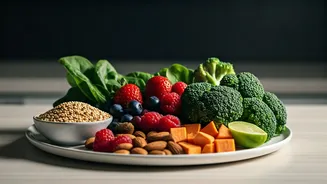
Her approach focuses on balance. Regular intake of probiotic-rich foods such as buttermilk and yoghurt helps maintain healthy gut bacteria, while fibre-rich fruits, vegetables, and whole grains support smoother digestion during heavier meals. Hydration becomes especially critical at this time. “Spacing alcoholic drinks with water or opting for natural fluids like coconut water can significantly reduce bloating and acidity,” notes Mehta.
Equally important is how food is eaten. Slowing down, avoiding very late or overly heavy meals, and listening to hunger and fullness cues can ease the digestive load. Simple daily habits, short walks after meals, light stretching, and adequate sleep, support the gut–brain connection and overall wellbeing. “When these small practices are combined with celebrations, the body becomes more resilient, allowing people to enjoy the season without prolonged digestive discomfort,” she adds.
Why Festive Months Stress the Gut
Taking a deeper physiological view, Sheetal Yadav, Nutritionist (Dietetics, Health & Nutrition); Specialization in Sports Nutrition, Reaviva explains that festive habits impact far more than digestion alone. “Alcohol, refined sugars, ultra-processed foods, late nights, and irregular meals directly disrupt the gut’s internal environment,” she says.
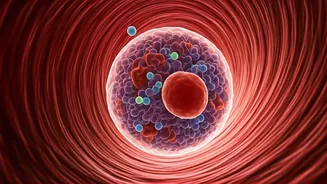
Emerging research shows that alcohol and simple sugars weaken the gut’s intestinal barrier by damaging “tight junctions,” increasing gut permeability and promoting dysbiosis—an imbalance in the microbiome. High sugar and fat meals activate pro-inflammatory signalling in the gut lining, triggering both local and systemic inflammation. “This low-grade inflammation affects metabolism, immune function, bile acid balance, and the production of short-chain fatty acids (SCFAs), which are crucial for gut health,” Yadav explains. In other words, the gut is not just a digestive organ, it plays a central role in metabolic and immune resilience during periods of excess.
A Practical, Gut-Smart Festive Roadmap
To counter these effects, Yadav recommends a strategic, phased approach rather than damage control after indulgence begins.
Before the celebrations, preparing the microbiome makes a measurable difference. A diverse, fibre-rich diet aiming for 30 or more plant foods per week supports beneficial SCFA-producing bacteria such as Faecalibacterium and Roseburia, which help maintain gut lining integrity. Resistant starches like cooked-and-cooled rice or potatoes, as well as unripe bananas, act as fuel for these microbes. Prebiotic fibres found in garlic, onions, asparagus, and chicory selectively nourish Bifidobacteria and Lactobacilli, strengthening microbial balance ahead of festive stress.
During parties, smart combinations reduce acute harm. “Alcohol should never be consumed on an empty stomach,” Yadav advises, as food slows ethanol absorption and reduces toxic by-products like acetaldehyde. Alternating alcoholic drinks with water or mineral water lowers total alcohol load, while choosing lower-sugar options helps prevent further microbial disruption.
Pairing simple carbohydrates with fibre, protein, and unsaturated fats such as olive oil, nuts, seeds, and fish, blunts blood sugar spikes and reduces inflammation. Including fermented foods like live yoghurt, kefir, kimchi, or sauerkraut even during celebrations can provide transient probiotic support. “Two to three servings a day can meaningfully buffer microbiome shifts during high-stress periods,” she notes.
Movement and mindful eating also play a role. Short walks improve gut motility and blood flow, while slow, thorough chewing enhances digestion and reduces undigested food reaching harmful microbes.
Enjoy the Season, Protect the Gut
Together, both experts emphasise that gut health during the festive season isn’t about perfection, it’s about preparation, awareness, and consistency. By supporting digestion with fibre, probiotics, hydration, mindful eating, and gentle movement, the gut remains resilient even during indulgence. The result is not just better digestion, but steadier energy, improved immunity, and a more comfortable way to celebrate the season fully without paying for it later.