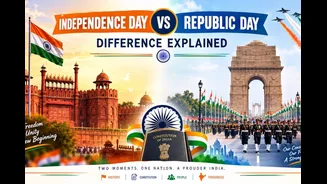



Independence Day vs Republic Day: India celebrates two major national days every year — Independence Day on August 15 and Republic Day on January 26. Although both occasions are marked with patriotic ceremonies,
flag unfurling, cultural programmes and national celebrations, they commemorate two different milestones in the country’s history.
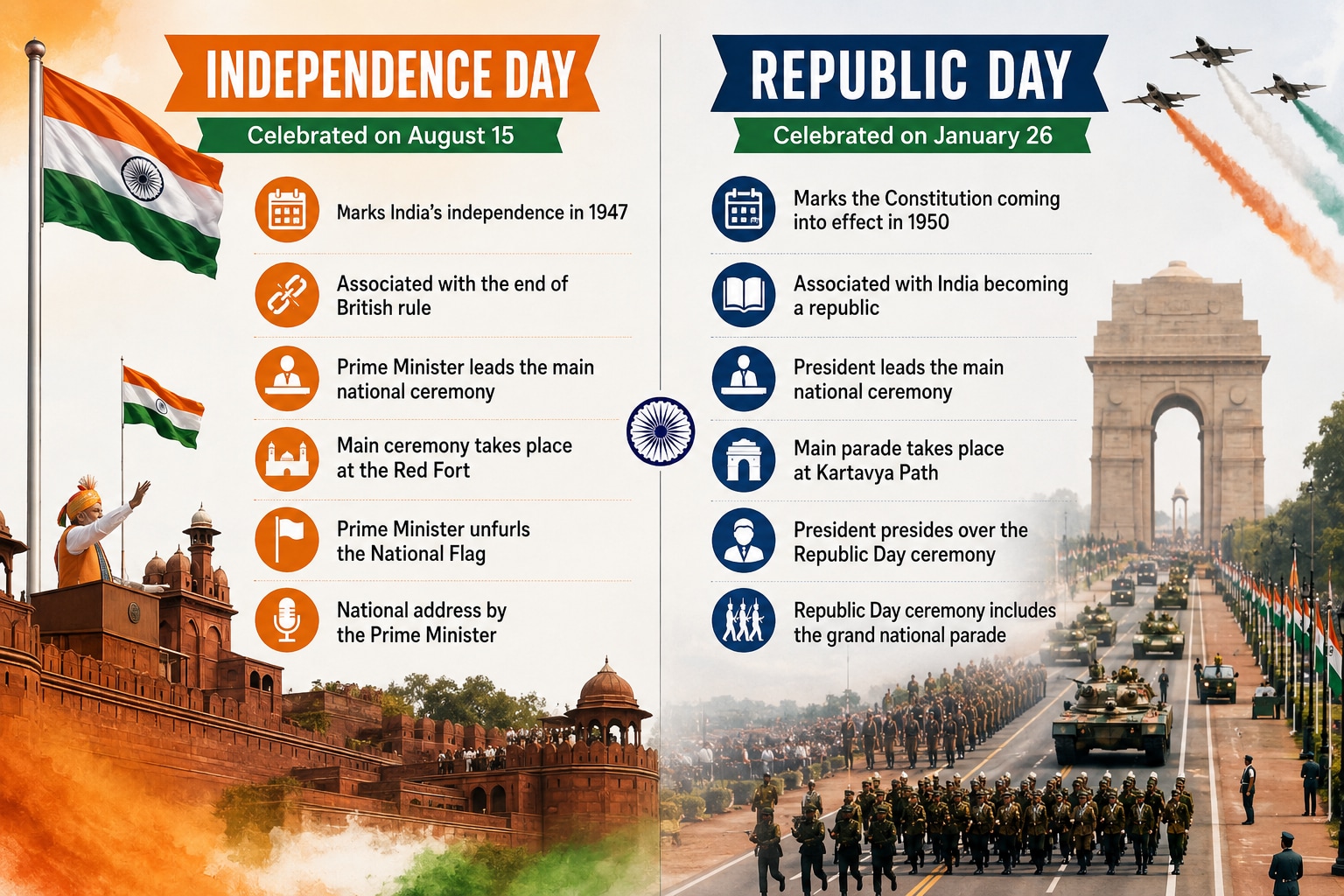
Independence Day marks India’s freedom from British colonial rule in 1947, while Republic Day marks the day India’s Constitution came into effect in 1950 and the country became a republic.
Read More: Is Independence Day 2026 India’s 79th Or 80th? History And Facts Explained
The distinction is especially important in 2026, when India will observe its 80th Independence Day on August 15.
Republic Day, celebrated earlier in the year on January 26, marked the constitutional milestone that followed independence. The two occasions also have different central ceremonies: on Independence Day, the Prime Minister unfurls the National Flag at the Red Fort and addresses the nation, while Republic Day’s principal ceremony takes place at Kartavya Path in New Delhi, with the President of India presiding over the national celebrations.
Official government records identify these different traditions and their historical significance.
Read More: Independence Day 2026: How To Upload Har Ghar Tiranga Selfie And Get Certificate
So, while Independence Day celebrates the achievement of freedom, Republic Day celebrates the establishment of India’s constitutional republic. Here is a detailed look at the history, significance, dates, ceremonies and key differences between the two national occasions.
Independence Day vs Republic Day: What Is the Main Difference?
The simplest way to understand the difference is:
Independence Day commemorates India’s independence from British rule, while Republic Day commemorates the Constitution coming into effect and India becoming a republic.
What Is Independence Day?
Independence Day is celebrated every year on August 15 to commemorate India’s independence from British rule in 1947.
India became independent on August 15, 1947, after a long freedom struggle against British colonial rule.
The day is associated with the sacrifices of freedom fighters and the emergence of India as an independent nation.
Read More: Independence Day 2026: Step-By-Step Guide To Book A Seat For Red Fort Celebrations On 15th August
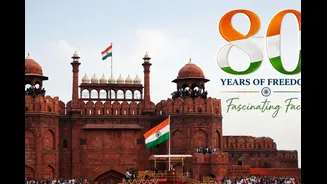
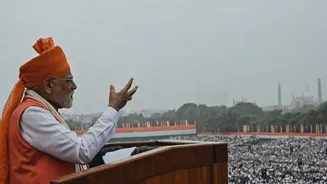
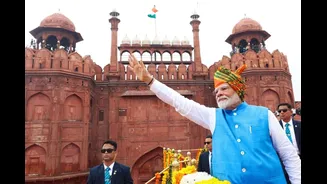
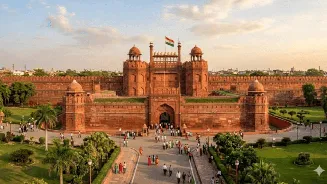
The principal national ceremony is held at the Red Fort in New Delhi. The Prime Minister unfurls the National Flag from the ramparts and delivers an address to the nation. Government records documenting the ceremony describe the flag unfurling followed by the Prime Minister’s national address as central elements of the Independence Day programme.
What Is Republic Day?
Republic Day is celebrated every year on January 26.
It commemorates the day the Constitution of India came into effect on January 26, 1950.
Although the Constitution was adopted by the Constituent Assembly on November 26, 1949, it came into force on January 26, 1950. On that date, India became a republic, with the Constitution serving as the supreme legal framework of the country.
Read More: 15th August Celebrations: How India Celebrates Independence Day Across Different States
The date January 26 was chosen because January 26, 1930 had been observed as Purna Swaraj, or complete independence, after the Indian National Congress had declared complete independence as its goal.
The Republic Day national celebration is centred on Kartavya Path in New Delhi, where the President of India presides over the ceremony and the Republic Day parade showcases India’s military capabilities and cultural diversity. The Prime Minister also pays tribute to fallen soldiers at the National War Memorial before the main ceremony.
Independence Day vs Republic Day: Why Are Both Celebrated?
India needed both milestones in its journey as a modern nation.
The first milestone was independence.
On August 15, 1947, British rule ended and India became an independent country.
The second major milestone was the establishment of the constitutional republic.
Read More: Independence Day 2026: 80 Interesting Facts About Indian Independence Day You Should Know
On January 26, 1950, India’s Constitution came into effect, establishing the constitutional framework under which the country would function as a sovereign democratic republic.
Therefore, the two days represent different stages of India’s nation-building journey:
1947 — Freedom from colonial rule
1950 — Constitutional republic
Why Is Independence Day Celebrated On August 15?
India celebrates Independence Day on August 15 because the country became independent from British rule on August 15, 1947.
The Indian Independence Act 1947 provided for the creation of the independent dominions of India and Pakistan.
The transfer of power took place in August 1947, bringing an end to British rule in India.
The date therefore became permanently associated with India’s independence.
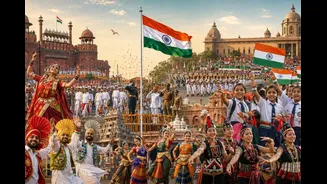
Every year, August 15 is observed with flag-hoisting ceremonies, cultural programmes and patriotic events across the country.
At the national level, the Prime Minister’s Red Fort ceremony remains the defining event of the day.
Why Is Republic Day Celebrated On January 26?
January 26 was selected as the date for the Constitution to come into force because of its association with the Purna Swaraj declaration.
On January 26, 1930, the Indian National Congress observed Purna Swaraj Day after declaring complete independence as its objective.
When the Constituent Assembly prepared to bring the Constitution into force, January 26 was chosen to honour that earlier commitment to complete independence.
Thus, January 26 carries a connection both to the freedom struggle and to the beginning of India’s constitutional republic.
Independence Day vs Republic Day: Difference In Historical Significance
Independence Day: End Of British Rule
The central historical event behind Independence Day is India’s independence in 1947.
It marks the end of British colonial rule and the beginning of India’s journey as an independent nation.
Republic Day: Beginning Of Constitutional Rule
Republic Day marks a different constitutional milestone.
On January 26, 1950, the Constitution came into effect and India became a republic.
This meant that independent India formally began functioning under its Constitution.
The Constitution established the framework for the country’s institutions, government and citizens’ rights and duties.
Independence Day vs Republic Day: Difference In Ceremonies
The ceremonies are among the most visible differences between the two occasions.
Independence Day Ceremony
The main Independence Day ceremony takes place at the Red Fort in Delhi.
The Prime Minister:
- Arrives at the Red Fort
- Participates in the ceremonial proceedings
- Unfurls the National Flag
- Receives the national salute
- Delivers the Independence Day address
The flag unfurling and Prime Minister’s address are central features of the ceremony. Official Ministry of Defence releases have documented this sequence over several years.
The ceremony has become one of India’s most recognisable national traditions.
Republic Day Ceremony
The main Republic Day celebration takes place at Kartavya Path in New Delhi.
The President of India is the constitutional head presiding over the national ceremony.
The celebrations feature the Republic Day parade, which presents India’s military capabilities and cultural diversity.
The Prime Minister pays tribute to India’s fallen soldiers at the National War Memorial before the main Republic Day ceremony.
The arrival of the President at Kartavya Path formally marks the commencement of the main proceedings, followed by the National Flag ceremony and the parade.
Who Hoists The Flag On Independence Day?
On Independence Day, the Prime Minister unfurls the National Flag at the Red Fort.
This is because Independence Day commemorates the country’s achievement of independence and the Prime Minister, as head of the elected government, leads the principal national ceremony.
Government records from multiple years confirm that the Prime Minister unfurls the Tricolour from the Red Fort ramparts and then addresses the nation.
Who Leads The Republic Day Ceremony?
The President of India presides over the Republic Day national ceremony.
This reflects the constitutional significance of Republic Day and the President’s position as the head of state.
The Republic Day ceremony at Kartavya Path includes the National Flag ceremony, the national anthem, the 21-gun salute and the grand parade. The Prime Minister traditionally pays homage at the National War Memorial before joining the main proceedings.
Independence Day vs Republic Day: Red Fort vs Kartavya Path
Another easy way to remember the difference is through the venues.
Red Fort — Independence Day
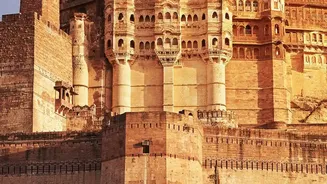
The Red Fort in Delhi is the traditional venue for the Prime Minister’s Independence Day ceremony.
The historic fort provides the backdrop for the Tricolour unfurling and the Prime Minister’s address.
The association dates back to the early years of independent India. The Press Information Bureau notes that Jawaharlal Nehru unfurled the National Flag at the Red Fort for the first time on August 16, 1947, and that the tradition subsequently became a symbol of Indian independence.
Kartavya Path — Republic Day
Republic Day is associated with the grand ceremonial parade at Kartavya Path in New Delhi.
The parade highlights India’s defence capabilities, cultural heritage and achievements.
It is therefore more heavily associated with a large ceremonial procession than the Independence Day ceremony.
Independence Day vs Republic Day: Flag Ceremony Difference
The two occasions also differ in how the national flag ceremony is traditionally described.
On Independence Day, the Prime Minister unfurls the National Flag at the Red Fort.
On Republic Day, the President presides over the National Flag ceremony at Kartavya Path.
The difference is linked to the constitutional roles and historical significance of the two occasions.
It is worth noting that both ceremonies involve the National Flag, the National Anthem, ceremonial military participation and a strong emphasis on national unity.
Independence Day vs Republic Day: Difference In Speeches
Another major difference is the nature of the principal national address.
Independence Day Speech
The Prime Minister delivers the major Independence Day address from the Red Fort.
The speech generally reflects on India’s progress, challenges and future goals while also remembering the country’s freedom struggle.
The Red Fort address has become a major annual political and national speech.
Republic Day Address
Republic Day also features a major address by the President of India to the nation, traditionally delivered on the eve of Republic Day.
The President’s address reflects on constitutional values, democracy, national achievements and issues of importance to citizens.
The National Portal of India maintains a dedicated section for the President’s address and Republic Day celebrations.
Independence Day vs Republic Day: Which Came First?
Independence Day came first.
India became independent on August 15, 1947.
The Constitution then came into force on January 26, 1950.
There was therefore a gap of nearly two and a half years between independence and the establishment of India as a republic under the Constitution.
During this period, India was independent but had not yet formally become a republic under its new Constitution.
What Happened Between 1947 And 1950?
The period between independence and the Republic was crucial to India’s political and constitutional development.
The Constituent Assembly worked on drafting the Constitution.
The Constitution was adopted on November 26, 1949.
It subsequently came into force on January 26, 1950.
This transition transformed independent India into a republic governed according to its Constitution.
The Constitution remains the foundation of India’s political and legal system.
Independence Day And Republic Day In Schools
Schools across India observe both occasions, although the format and emphasis can vary.
Independence Day programmes often include:
- Flag hoisting
- National Anthem
- Patriotic songs
- Cultural performances
- Speeches
- Essays and quizzes
- Activities about India’s freedom struggle
Republic Day programmes can include:
- Flag ceremonies
- Patriotic performances
- Cultural programmes
- Speeches
- Constitution-related activities
- Parades or March Past events
Schools often use the two occasions to teach students about India’s freedom movement, Constitution and democratic institutions.
Independence Day 2026: What Does It Mark?
India will celebrate its 80th Independence Day on August 15, 2026.
The national ceremony will continue the established Independence Day tradition, with the Prime Minister leading the main ceremony at the Red Fort, unfurling the National Flag and addressing the nation.
The exact programme and ceremonial details for 2026 should be checked against official announcements closer to the event.
The distinction between Independence Day and Republic Day, however, remains unchanged: August 15 commemorates independence in 1947, while January 26 commemorates the Constitution coming into force in 1950.
Independence Day vs Republic Day: Why The Difference Matters
The two national days can sometimes be confused because both feature the Tricolour, patriotic celebrations and official ceremonies.
But their historical meanings are distinct.
Independence Day asks Indians to remember the struggle that led to freedom and the sacrifices made for independence.
Republic Day highlights the constitutional framework that governs the country and the values of democracy, justice, liberty and equality.
Understanding the difference helps explain why the two ceremonies also have different venues, principal figures and traditions.