




Dining out in India is no longer just about food. Increasingly, restaurants, cafés, and bars are becoming spaces built around mood, memory, storytelling, and experience. Menus are getting more seasonal,
cafés are becoming lifestyle destinations, and consumers are gravitating towards dining formats that feel immersive rather than transactional.
Across cities, hospitality brands are moving away from predictable launches and instead building experiences shaped by nostalgia, craftsmanship, regional storytelling, and slower, more intentional consumption. From mango-inspired coffee menus and Burmese festive spreads to artisanal sourdough pizzas and cocktail popsicles, India’s food landscape is entering a far more expressive phase.
Why Seasonal Dining Is Taking Over
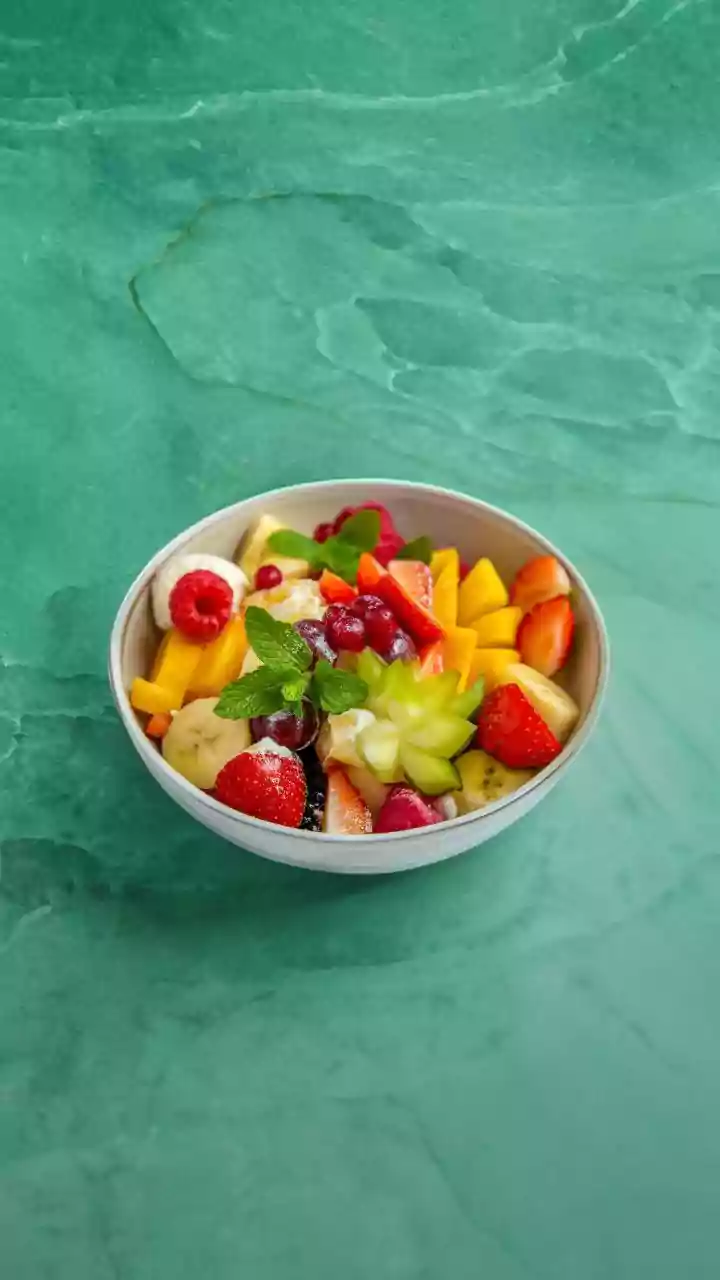
One of the strongest shifts across the dining industry right now is the growing emphasis on seasonality. Summer menus are no longer limited to a few predictable additions but are becoming central to how brands shape their identity and storytelling.
At The Pasta Bowl Company in Gurugram, the newly launched summer menu reflects a more ingredient-led approach rooted in classical Italian cooking. Drawing inspiration from regions like Sicily, Tuscany, and Puglia, dishes such as Risotto alla Diavola, seasonal salads, and the tableside Pasta Bowl Ritual showcase how restaurants are increasingly focusing on sourcing, simplicity, and authenticity rather than overcomplication.
Similarly, Barista Coffee Company’s “Main Hoon Mango” campaign turns India’s favourite summer fruit into an entire café experience. Drinks like Mango Matcha, Dirty Mango Latte, and Chilli Mango Tango tap into both nostalgia and experimentation, reflecting how seasonal ingredients are now driving consumer curiosity.
Burma Burma’s Thingyan festive menu also highlights this movement. Inspired by the Burmese New Year, the limited-edition menu blends rice bowls, street-style plates, desserts, and immersive cultural elements like fruit leather vendors and Thanaka application, making the experience feel celebratory rather than simply culinary.
Dining Is Becoming More Experiential
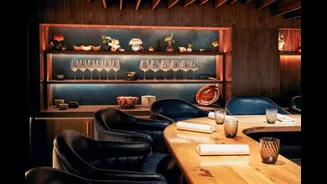
Restaurants are also increasingly focusing on how diners feel, not just what they eat.
At Refuge in Delhi, the newly introduced “Summer Migration” menu transforms the dining experience into something resembling a mini holiday. Cocktail popsicles, crafted sodas, playful dishes, and the now-viral “Adult Happy Meal” create a format built around nostalgia, leisure, and social interaction.
Similarly, Cabami in Varanasi reflects the growing rise of high-energy rooftop dining spaces that combine food, cocktails, music, and atmosphere into a singular social experience. The menu spans Mediterranean, Japanese, Italian, and Pan-Asian influences, but the larger focus remains on creating a lively environment where people stay for the mood as much as the meal.
Even luxury hospitality spaces are evolving in this direction. Shang Palace at Shangri-La Eros New Delhi continues to refine its approach to Chinese dining by balancing traditional techniques with more contemporary presentations and flavour structures, creating a dining experience that feels both elevated and immersive.
The Return Of Craft And Slow Food
As dining becomes faster digitally, consumers seem to be craving slowness on the plate.
Craftsmanship is once again becoming aspirational, particularly in cafés and artisanal dining spaces.
Si Nonna’s arrival in Connaught Place brings renewed attention to traditional Neapolitan pizza-making, with its 24-hour fermented sourdough and ingredient-first philosophy. The growing popularity of such formats signals a wider appreciation for food that feels handmade, time-intensive, and rooted in process.
The same sensibility appears at Savorworks in Gurgaon, where coffee roasting, bean-to-bar chocolate making, mixology, and retail converge into a design-led café format. The space moves beyond casual coffee culture and instead positions itself as an immersive hospitality experience centred around craftsmanship.
Meanwhile, House of Croissants in Mumbai transforms the humble croissant into an all-day café identity, building an entire aesthetic and menu language around artisanal baking, slow breakfasts, and indulgent formats like croffles and croissant sandwiches.
Cafés Are Becoming Lifestyle Spaces
Today’s cafés are increasingly functioning as social and cultural environments rather than just quick-stop coffee destinations.
At Dessert Therapy Kitchen in Mumbai, the expansion from a dessert-focused brand into a full café format reflects how consumers now seek layered experiences, comfort food, aesthetics, conversation, and leisurely dining all within one space.
Boba Bhai’s cloud beverages, featuring combinations like matcha with coconut water and tiramisu-inspired coffee foam, similarly reflect the rise of highly visual, internet-friendly café culture where drinks are designed as much for experience and identity as for taste.
These spaces are becoming extensions of lifestyle itself, places where people work, socialise, romanticise routines, and document moments online.
Indian Dining Is Becoming More Experimental
Perhaps the most exciting shift is how confidently Indian dining is now blending global formats with local references.
L’Opéra’s newly launched Cromun, inspired by gulab jamun and croissants, perfectly captures this hybrid culinary language. The dessert feels globally inspired while remaining deeply rooted in familiar Indian flavours.
Farzi Café continues to build on a similar philosophy, using reinterpretation as a core culinary identity. Dishes like Dal Chawal Arancini and Burrata Thecha Bomb showcase how familiar Indian flavours are increasingly being reframed through contemporary techniques and global formats.
Even House of Shawarmas in Jaipur reflects this evolution, approaching Mediterranean fast-casual dining through a cleaner, more health-conscious lens designed for modern urban consumers.
Heritage Dining Is Finding A New Audience
Alongside innovation and experimentation, another noticeable shift is the renewed interest in legacy dining institutions and culturally rooted restaurant formats.
The Embassy’s expansion into Gurgaon reflects how heritage restaurants are evolving for newer audiences while preserving nostalgia and familiarity. Established in 1948, the restaurant has long occupied an iconic place in Delhi’s culinary memory, and its new outpost signals how legacy dining brands are increasingly becoming cultural experiences rather than simply places to eat.
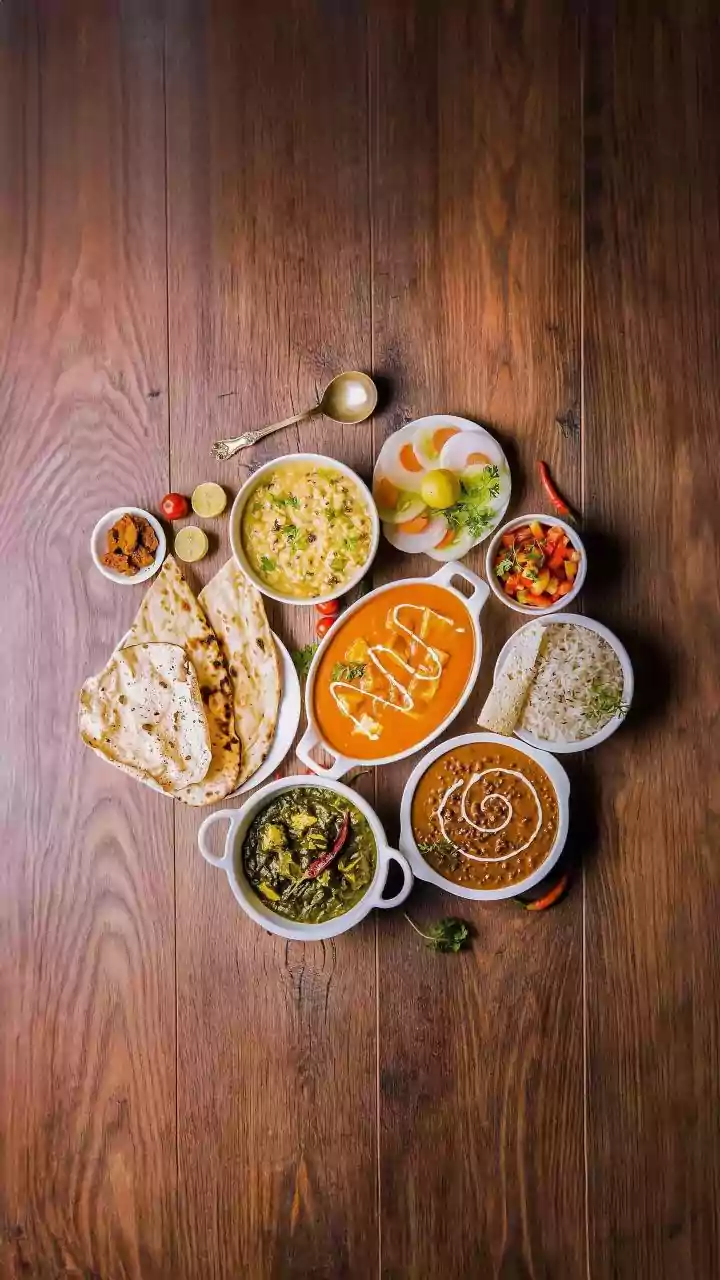
Similarly, Lazeez Affaire’s new Connaught Place space reinforces the continued relevance of classic North Indian dining rooted in technique, consistency, and slow-cooked flavours. In a dining landscape increasingly driven by trends and virality, there is also visible consumer comfort in restaurants that prioritise familiarity, structure, and culinary depth.
Anardana’s expansion into Moti Nagar reflects another growing dining preference, multi-cuisine spaces that combine modern aesthetics with culturally layered storytelling. Restaurants are increasingly positioning themselves not just through food, but through atmosphere, design language, and emotional familiarity.
Bars And Beverage Culture Are Becoming More Experimental
India’s evolving food culture is also reshaping beverage menus and bar experiences.
At The LaLiT New Delhi’s Liquid Library, cocktail programs are becoming more crafted, ingredient-focused, and experience-driven. From classic global cocktails to contemporary signatures like the Cucumbertini, bars are increasingly balancing familiarity with experimentation while also accommodating mindful drinking through refined zero-proof options.
Meanwhile, beverage-first brands are becoming increasingly expressive in both flavour and presentation. Boba Bhai’s cloud beverage range, including Lavender Haze, Zen AF, and Café Delulu reflects the growing influence of playful naming, visual storytelling, and highly stylised café culture designed for younger consumers and social sharing.
Together, these additions further highlight how India’s dining landscape is no longer moving in one singular direction. Instead, it is becoming more layered, balancing nostalgia with novelty, craftsmanship with convenience, and tradition with reinvention.
Food Today Is About Feeling Something
Ultimately, the biggest shift in India’s dining landscape is emotional. Consumers are no longer looking only for good food, they are looking for mood, memory, novelty, comfort, aesthetics, storytelling, and connection. Restaurants are responding by building spaces that feel slower, more immersive, and more emotionally engaging.
Whether it is a mango-infused summer drink, a handcrafted sourdough pizza, a nostalgic cocktail popsicle, or a carefully plated bowl of Burmese comfort food, dining today is becoming less about consumption and more about experience. And perhaps that is what makes this moment in India’s food culture feel especially exciting.