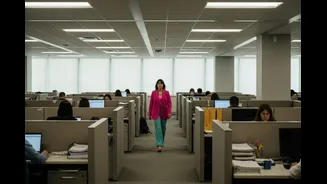





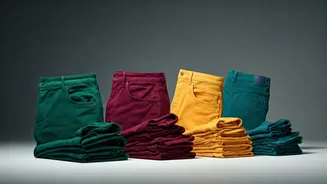

Gone are the days when people used to dress to adhere to the corporate guidelines. Beyond the world of beige cubicles and burnout, Gen Z is reclaiming control over the outfit aesthetic, turning to bold
colours and playful fashion to break the monotony.
One Outfit At A Time
With burnout rising and motivation falling, the routine feels predictable – the same commute, same desk, and same meetings that blur into one another. For many young professionals, the work has become less about ambition and more about endurance. While they show up, log in, and meet deadlines, many admit that mentally, they have already checked out.
And so, they are turning to something unexpected to cope with quiet burnout, which is ‘fashion.’
Fashionable Clothes As Mood Boosters?
Well, inevitably, the excitement that once came with a new job fades quickly into monotony, replaced by deadlines, quiet burnout, and expectations. Instead of disengaging completely, this generation is finding small ways to cope, and fashionable clothes have become one of the most visible tools in that process.
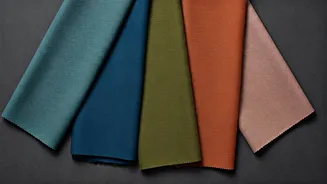
Also referred to as ‘dopamine dressing,’ it is simple at its core. It is the intentional choice of clothing that sparks joy, bright colours, textures, playful patterns that feel good, and apparel that feels expressive. It is not about what is appropriate or expected, but what feels right.
For Gen Z, however, it goes deeper than aesthetics. It is not just a fashion trend; it is a coping mechanism. Dopamine dressing has become quite a rebellion; a cherry red top or an electric blue shirt is not just an outfit, it is a statement piece that often feels that makes up for emotional absence.
Upeksha, a 26-year-old social media manager, says, “I am not excited about work most days, but I can at least be excited about what I wear. It is the only part of my routine that still feels personal.”
Is Corporate Core Dead For Gen Z?
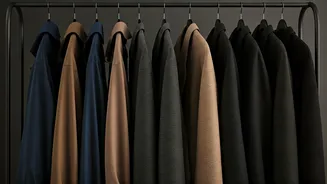
Corporate fashion followed a basic routine, where individuals incorporated neutral colours, structured silhouettes, and minimal expression. It was designed to signal professionalism, conformity, and authority.
The idea of ‘corporate core’ feels outdated, at least to Gen Z. Dressing like a version of success that does not resonate with them feels increasingly irrelevant.
Kareena, a 23-year-old HR intern, explains, “Corporate core feels like dressing for a version of success that does not excite me. I would rather feel like myself than fit into a mould I do not relate to.”
Are They Dressing Up For Survival Or Impression?
Traditionally, the workplace wardrobe was made to impress bosses, peers, or clients. For Gen Z, the intention has taken a different turn. They are dressing for survival.
Long hours, pressure to constantly perform, and repetitive tasks have created a workplace environment where burnout is not an exception; it is the norm. In this scenario, dopamine dressing has become a tool to regulate energy and mood.
Naira Sain, a 24-year-old social media manager, shares, “Every day feels repetitive, same tasks, same conversations. Dressing up differently is how I break that monotony and remind myself that I still have some control.”
When the nature of work feels unchanging and rigid, even a small act like choosing a bright outfit can restore a sense of agency. Ayushi, a 24-year-old journalist, adds, “If I know I am heading into a long, exhausting day, I consciously pick something fun to wear. It is like giving myself a boost before anything even begins.”
What Is The Psychology Behind The Colours?
While dopamine dressing is rooted in personal expression, it also has psychological backing. According to the report in the EPRA International Journal of Multidisciplinary Research, colour therapy shows that wearing bright colours can lift the mood, create positive feelings and reduce stress.
Bright colours are linked with happy energy, and Gen Z is using this to cope with their jobs. In high-pressure work environments, these small psychological boosts matter. Even if the science behind dopamine release through clothing is not fully established, the reality remains that people feel better when they wear things they like.
Can Self-Expression Turn Into Silent Pressure?
Like many trends that begin as personal choices, dopamine dressing is slowly developing a more complicated side. Harman, a 25-year-old software engineer, says, “Dopamine dressing is not really about fashion anymore; to me, it feels like an expectation. There is pressure to always look put together, even when you are mentally exhausted.”
In workplaces where appearance influences perception, clothing becomes more than just self-expression.
Does Dress Code Help You Be Taken Seriously?
Despite the shift towards expressive fashion, traditional biases around appearance still persist. Sitara, 26, articulates this dilemma. She says, “If I dress too casually, I’m not taken seriously. If I dress too boldly, I’m also judged. It feels like there’s no perfect balance to strike.”
Gen Z wants to express individuality, but they are also navigating an environment that still rewards conformity. Clothing does not define capability, yet it shapes how others recognise it. When office outfits feel professional, people tend to listen differently.
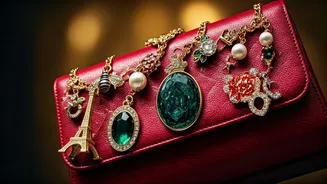
By understanding the dress code expectations and accessorising with gold or silver jewellery, conversations flow more easily, and it also allows personality to show through while respecting the environment.
Is Fashion A Form Of Micro-Control?
A well-chosen outfit can make a person feel more prepared, confident, and slightly more in control. It can transform the emotional tone of the day, even if the external circumstances remain the same.
Himani, a 27-year-old journalist, sums it up, saying, “According to me, dopamine dressing is about finding small ways to cope with burnout and bring a sense of joy into an otherwise draining routine.”
Beyond The Trend
Dopamine dressing is often dismissed as a fleeting fashion trend, but its significance goes beyond clothing. This is a generation that is increasingly questioning traditional ideas of success, professionalism, and productivity. They are more open about burnout, more vocal about mental health, and more creative in finding ways to cope.
As workplaces continue to evolve, fashion will likely play an even bigger role in shaping professional identity. Gen Z’s approach to fashion is not about rejecting professionalism, but about redefining it in a way that aligns with authenticity and emotional well-being.