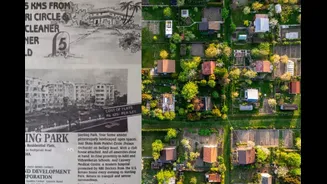

A viral social media post comparing land prices in Bengaluru from 1994 to today has sparked intense discussion on how dramatically the city’s real estate landscape has transformed. The post, which lists
site rates from prominent layouts three decades ago, has struck a chord with residents who now find home ownership increasingly difficult within city limits.
The comparison lays bare a reality many Bengalureans feel every day. Areas that were once dismissed as distant or undeveloped have today become some of the city’s most expensive residential zones.
What Land Cost in the Mid-1990s
In 1994, north Bengaluru was largely viewed as the city’s edge. Layouts such as Kodigehalli, Yelahanka, Devanahalli, Airport Road, and the Hennur belt had sparse development and limited civic infrastructure. Demand was low, connectivity was weak, and long-term growth was uncertain.
Back then, buying land in these areas was not considered aspirational but speculative. Many buyers hesitated, unsure if these layouts would ever fully integrate with the city.
1994 vs Now: A Price Reality Check
The viral post highlights how sharply prices have climbed over three decades.
| Area | Current Average Rate (per sq ft) | |
| Kodigehalli (Hebbal) | Rs 9,000 to Rs 14,000 | |
| Yelahanka | Rs 6,500 to Rs 10,000 | |
| Devanahalli | Rs 4,500 to Rs 8,500 | |
| Airport Road belt | Rs 6,500 to Rs 10,000 | |
| Hennur zone | Rs 6,000 to Rs 10,500 |
Current rates are based on real estate market estimates and can be significantly higher for premium plots and gated developments.
Why Prices Rose So Steeply
Real estate experts point to multiple factors behind this surge. The most significant driver has been economic growth, particularly the expansion of IT parks, logistics hubs, and industrial corridors around Kempegowda International Airport.
Infrastructure played an equally crucial role. Improved road connectivity, signal-free corridors, and the steady expansion of the Namma Metro made these areas more accessible for daily commuting. What once felt far away slowly became practical for work and living.
Social infrastructure followed. International schools, large hospitals, malls, and commercial spaces transformed these layouts into self-contained neighbourhoods rather than distant suburbs.
From Outskirts to Prime Real Estate
What the viral comparison ultimately reveals is how Bengaluru’s urban boundary has shifted. The city did not just grow outward; it absorbed its fringes. Land values in parts of north Bengaluru have increased between 10 and 30 times over the last 30 years, depending on location and connectivity.
What This Means for Today’s Buyers
For today’s homebuyers, the numbers are sobering. Owning even a modest residential site in these areas often requires a budget of Rs 1 crore or more. While the post has sparked nostalgia, it also serves as a reminder of how infrastructure-led growth can redefine a city within a single generation.
What feels distant today may well be tomorrow’s prime address, just as it was in Bengaluru 30 years ago.