






Iran said it is in “good contact” with the Indian government to ensure safe passage through the Strait of Hormuz in the midst of rising tensions after US President Donald Trump announced a blockade of the critical
chokepoint.
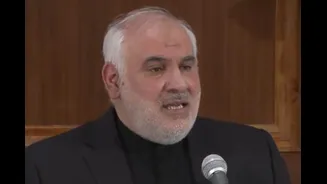
Speaking on Monday, Iran’s Ambassador to India Mohammad Fathali said Tehran is working closely with New Delhi to facilitate maritime movement and extend support during the ongoing crisis. He stressed that India and Iran share a “common interest and common fate” in the region.
“I want to thank all the Indian people. I believe that they have demonstrated that they are truly reliable and compassionate partners in times of hardship. I would like to thank the government of India for facilitating all the necessary arrangements in this difficult time,” he said in a press conference.
#WATCH | Delhi: Dr Mohammad Fathali, Ambassador of the Islamic Republic of Iran to India, says, “I want to thank all the Indian people. I believe that they have demonstrated that they are truly reliable and compassionate partners in times of hardship. I would like to thank the… pic.twitter.com/pK4umwINtH
— ANI (@ANI) April 13, 2026
Fathali emphasised that Iran shared a good relationship with New Delhi and wanted “good preparation for Indian ships.”
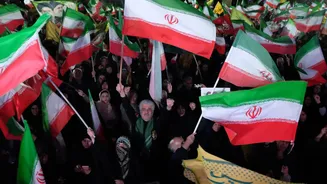
The envoy asserted Tehran’s defiant stance after Trump’s blockade announcement, saying, “We are ready for peace and also ready for war, but we prefer peace.”
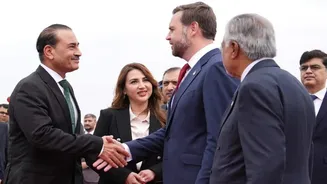
Speaking on the failed talks in Pakistan, Fathali said discussions focused on nuclear issues, war reparations and sanctions relief. “I think that they want some unlawful demands. Our high-ranking officials and delegations said that we are ready for peace. We are ready for negotiation. But you should know that, and you should be aware that Iran is also ready for war,” he said.
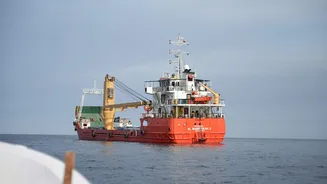
He assured that efforts are being made to provide safe passage through the Strait of Hormuz. “Iran believes and is committed to international law and freedom of navigation. We announced that in the near future, we will provide the mechanism and announce it to all the countries,” he added.
ALSO READ: UK, France To Co-Host 40 Nations This Week For Talks To Restore Hormuz Traffic
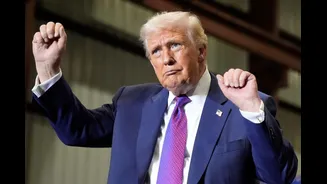
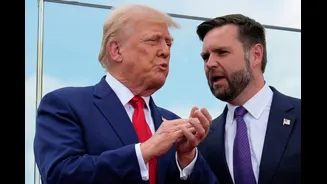
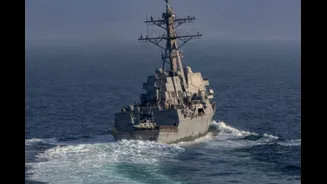
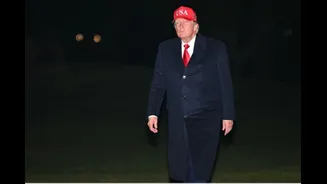
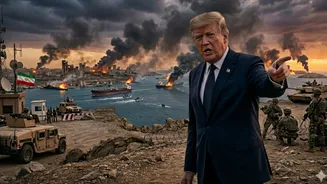
His remarks came after US President Donald Trump ordered the US Navy to begin a blockade of the Strait of Hormuz, effective Monday, April 13, 2026, after the peace talks in Islamabad ended without an agreement. US forces are instructed to seek out and interdict any vessels in international waters that have paid transit fees or “tolls” to Iran.
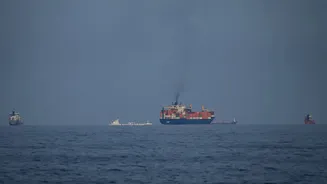
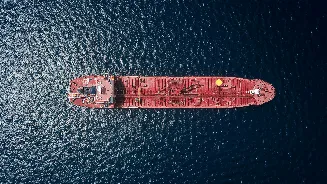
The Strait of Hormuz is considered the world’s most important oil transport route, carrying about 20% of the world’s total oil supply passes through it. It has been effectively closed after Iran took control of the waterway following the US-Israeli strikes on February 28, choking energy supplies and leading to a spike in fuel prices worldwide.
The latest announcement has raised fears of further damage to the global economy, particularly in India, which imports about 80% of its crude oil, most of it from Gulf countries. If the Hormuz route is affected, oil imports will become expensive for India.
During the war, Iran allowed at least nine Indian-flagged vessels to transit the Strait of Hormuz, the highest for any country. Iran has maintained that the waterway remains open to “friendly nations”, including India, Russia, China, and Pakistan.