






“Whenever a sudden cardiac death occurs in someone with no known medical history, the shock experienced by families is profound,” says Dr. Shubham Kumar Sharma, Consultant Cardiologist. “As a cardiologist,
I see this far too often, and it highlights a critical gap in how we understand heart disease.”
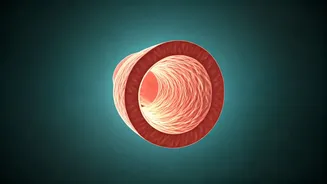
What many people don’t realise, he explains, is that several heart conditions can remain completely silent for years. “Coronary artery disease, inherited rhythm disorders, cardiomyopathies, or even plaque build-up in the arteries may progress without causing pain, breathlessness, or any obvious warning signs,” notes Dr Sharma.
In such cases, the first sign of an underlying problem may be a sudden cardiac arrest and tragically, it can also be the final event. “Being ‘apparently healthy’ or having no prior illness does not always mean the heart is disease-free,” he cautions.
Dr. Sharma adds that certain triggers can push a vulnerable heart into crisis. “Stress, dehydration, extreme physical exertion, or electrolyte imbalances can act as triggers in individuals who already have an undetected cardiac condition,” he explains.
This is why he strongly advocates a preventive approach to heart health. “Preventive cardiology is not optional, it is essential,” says Dr Sharma. “Simple evaluations such as blood pressure monitoring, ECGs, cholesterol profiling, and lifestyle assessments can help identify hidden risks before they become life-threatening.”
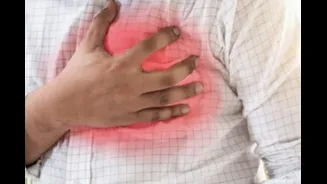
He also urges people not to ignore subtle signals from the body. “Symptoms like unexplained fatigue, palpitations, chest discomfort, or episodes of dizziness should never be brushed aside, even if they seem minor,” he emphasises.
Sudden cardiac events, Dr Sharma concludes, serve as a sobering reminder that feeling well does not always equate to being healthy. “Heart health should never be taken for granted. Awareness, early screening, and timely medical intervention can make the difference between life and loss.”