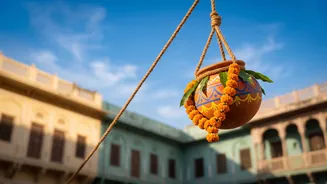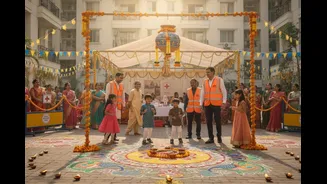







Dahi Handi is one of the most vibrant traditions associated with Janmashtami, celebrating Lord Krishna’s playful childhood stories of stealing butter and curd. In Maharashtra, especially Mumbai, Thane
and Pune, the festival brings communities together through music, decorations, Govinda teams and human pyramids. In 2026, Dahi Handi will be celebrated on September 5, the day after Krishna Janmashtami on September 4.
While the festival is synonymous with energy and teamwork, celebrations at schools, housing societies and community grounds need careful planning. A well-organised event can preserve the festive spirit while prioritising children’s safety, crowd management, emergency preparedness, responsible sound levels and comfortable participation for everyone.
Read More: When Is Janmashtami 2026? Date, City-Wise Muhurat, Fasting Rules And Rituals
Put Safety Before The Height Of The Handi
The biggest attraction of Dahi Handi is the human pyramid, but organisers should not treat height as a measure of success. A safer celebration can focus on teamwork, costumes, music, quizzes, Krishna-themed games or a symbolic handi instead of encouraging risky attempts.
For events involving human pyramids, organisers should check the latest applicable local regulations and permissions before proceeding. Bombay High Court directions have historically included safeguards such as limiting pyramid height, protective equipment and cushioning at the venue.
For schools: A non-contact, symbolic Dahi Handi can be a better option, particularly for younger children.
For societies: If an organised Govinda performance is planned, appoint a dedicated safety team and comply with all applicable permissions and requirements.
Read More: No Dahi Handi Holiday? Mumbai Govt Offices Get Raksha Bandhan Off On August 28
Keep Children Away From Human Pyramid Formation
Schools and housing societies should clearly separate children’s participation in festive activities from potentially hazardous pyramid formation.
Instead of allowing children to climb or participate in human pyramids, involve them in safer activities such as:
- Krishna-Radha fancy dress
- Matki decoration
- Janmashtami craft competitions
- Bhajan and dance performances
- Flute-making or colouring activities
- Krishna-themed storytelling
- Dahi Handi quizzes
- Photography corners
This allows children to enjoy the festival without putting them in a physically risky activity.
The Bombay High Court’s Dahi Handi-related orders have specifically addressed age restrictions and safety requirements concerning pyramid participation. Organisers should verify the current rules applicable to their event rather than relying on old guidelines.
Use A Safe, Accessible Setup
The location should be inspected before the event begins. Avoid slippery surfaces, exposed wires, unstable platforms, open drains, sharp objects and poorly secured decorations.
Read More: Janmashtami 2026: Rare Astrological Combination On September 4, 5 Zodiac Signs May Benefit
Organisers should ensure:
- The performance area is clearly marked.
- Spectators remain behind a designated barrier.
- Emergency exits remain unobstructed.
- Electrical connections are safely covered.
- Stages and temporary structures are professionally secured.
- There is adequate lighting if the event continues into the evening.
- Water used for decoration or celebration does not make the performance area dangerously slippery.
- A dedicated safety marshal should monitor the activity rather than leaving crowd control entirely to volunteers.
Keep First Aid And Medical Help Ready
A first-aid kit should be available at the venue, but organisers should also have a clear plan for handling serious injuries.
For larger society events, organisers should consider keeping medical personnel or an ambulance arrangement readily available. Historical Bombay High Court directions have called for immediate medical help, first aid and ambulance facilities for Dahi Handi events.
Before the event, organisers should identify:
- The nearest hospital.
- Emergency contact numbers.
- The person responsible for calling an ambulance.
- The location of the first-aid station.
- An accessible route for emergency vehicles.
- Don’t wait until an accident happens to decide who will respond.
- Avoid Slippery Floors And Uncontrolled Water
Throwing water at Govindas is associated with the festive atmosphere in some Dahi Handi celebrations, but uncontrolled water can turn a celebration area into a slip hazard.
Schools and societies should avoid creating wet patches around walking areas, electrical installations, staircases and stages.
If water is part of the celebration, designate a controlled area and make sure the surrounding floor is regularly checked and cleaned.
Organisers should also avoid hazardous substances or chemicals. Earlier Dahi Handi safety directions specifically addressed the use of hazardous chemicals with water.
Keep The Crowd Under Control
A small society Dahi Handi can quickly attract visitors from neighbouring buildings. The more crowded the venue becomes, the harder it is to respond to an emergency.
Use separate zones for:
- Participants
- Children
- Elderly visitors
- Performers
- Spectators
- Emergency personnel
Keep pathways clear and avoid allowing spectators to gather directly underneath a human pyramid or suspended handi.
For larger events, organisers should coordinate with local authorities and follow applicable crowd-management requirements.
Follow Local Sound And Loudspeaker Rules
Dahi Handi celebrations often include dhols, music and loudspeakers. However, festive enthusiasm should not mean ignoring noise regulations.
Recent police messaging in Pune has again highlighted restrictions around loud music during Dahi Handi and Ganapati celebrations.
Society committees should obtain any required permissions for loudspeakers and follow applicable timing and decibel restrictions.
A good celebration should be enjoyable for residents without becoming a source of unnecessary disturbance for children, senior citizens, patients or nearby communities.
Choose Safe Decorations
Traditional decorations can make the venue festive without creating additional risks. Try:
- Marigold garlands
- Paper buntings
- Fabric backdrops
- Clay matkis
- Flute-themed décor
- Peacock-feather-inspired decorations
- LED lights installed safely
- Krishna-themed rangoli
Avoid placing candles, diyas or electrical equipment close to curtains, paper decorations and other combustible materials.
For schools, use child-friendly, non-sharp decorative materials.
Plan Food And Prasad Carefully
Dahi Handi celebrations often include prasad, sweets, fruits and traditional preparations such as Gopalkala.
Food should be prepared, stored and served hygienically. Keep perishable foods away from heat and avoid leaving milk- or curd-based preparations unrefrigerated for long periods.
This is particularly important at school events where food may be served to large numbers of children.
Maharashtra’s food-safety authorities have also highlighted the importance of food-safety compliance at schools and festive food-service settings during the current festive season.
Give Participants A Proper Briefing
Before any performance begins, participants should know exactly what is expected of them.
The safety briefing can cover:
- Where participants should assemble.
- Where spectators should stand.
- What protective equipment is required.
- Who the safety marshal is.
- What to do if someone feels dizzy or unwell.
- Where first aid is available.
- How the event will be stopped in an emergency.
No participant should be pressured to take part in a risky activity for the sake of competition, prizes or applause.
Don’t Let Competition Override Safety
Dahi Handi is increasingly organised as a competitive event, with teams competing for recognition and prizes. Maharashtra has also announced insurance coverage for 1.6 lakh Govindas participating in this year’s Dahi Handi festival, highlighting the scale at which safety considerations matter.
For schools and societies, however, the emphasis should remain on participation, community spirit and celebration, rather than pushing participants to attempt increasingly difficult formations.
A symbolic handi-breaking ceremony can provide the same festive excitement with considerably less risk.
Have A Rain And Weather Backup Plan
September celebrations in several parts of India can coincide with rainy weather. A wet stage, courtyard or society compound can increase the risk of slips and falls.
Keep a backup plan ready:
- Move performances indoors if the venue permits.
- Pause activities during heavy rain.
- Protect electrical equipment.
- Check temporary structures after strong winds.
- Do not allow participants onto slippery surfaces.
- Keep emergency pathways accessible.
The event should be postponed or modified if weather conditions make the venue unsafe.
Make The Celebration Inclusive
Dahi Handi does not have to be only about breaking a pot.
Schools and societies can organise a wider Janmashtami Utsav featuring music, dance, art, storytelling and food.
Consider separate activities for:
- Toddlers
- School-age children
- Teenagers
- Senior citizens
- Families
- Residents with disabilities
A festive celebration becomes more meaningful when everyone can participate in a way that is comfortable and safe for them.
Keep An Emergency Contact Board Visible
Place important information at the entrance and near the activity area.
The board can include:
- Local police contact
- Fire emergency number
- Ambulance/emergency medical contact
- Nearest hospital
- Event organiser’s contact
- Society security desk
- First-aid location
Organisers should also ensure that security guards, volunteers and event coordinators have the same information.
Make Safety The Real Theme Of Dahi Handi 2026
Dahi Handi represents teamwork, coordination, determination and community spirit. Maharashtra Tourism describes the tradition as a celebration of teamwork, perseverance, devotion and communal harmony.
For schools and housing societies, the best Dahi Handi celebration is therefore not necessarily the tallest pyramid or the loudest event. It is one where children can participate happily, families feel comfortable, emergency plans are ready and everyone goes home safely.
Celebrate the spirit of Krishna, but don’t compromise on safety for the sake of spectacle.