



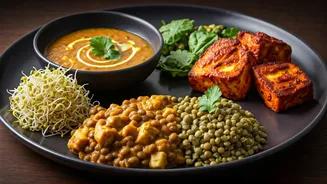
After a prolonged preference for visually delightful food options, India seems to be moving towards authentic retreats and taking a liking to rustic Indian dishes again. Going beyond aesthetics and choosing
food for its nutritional value, Indians are triggering a return of the “unpretty food” on the platter. Now, what exactly is “unpretty food”, you may ask? Well, it is those ordinary and unpleasant dishes that we have tended to ignore in the past.
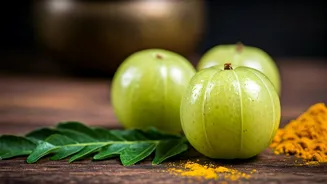
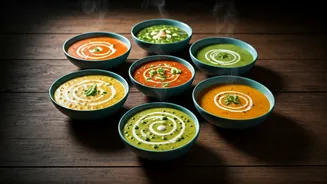
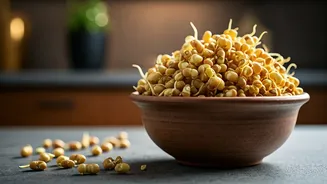
The dishes made out of those heirloom vegetables, lumpy gravies, charred mash, cracked rotis and unevenly shaped dumplings. They all qualify as “unpretty food”. But in an encouraging cultural trend, people are being rooted and authentic with their food choices and bringing these dishes back in fashion. People are keen to understand why our elders often preferred the slowly cooked food and rustic dishes made of regional and indigenous ingredients, which were prepared on traditional chulhas.
Trend Towards Rustic Indian Dishes
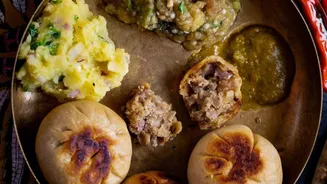
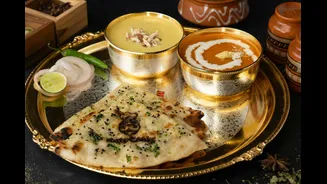
Rustic Indian dishes going vogue is a byproduct of an amalgamation of several regional traditions, cultures and food choices. Whether that is Bihar’s delightful litti-chokha, Rajasthan’s millet-based rotis, a variety of Khichdis or South India’s iconic staples, the Idli, dosa, vada and more. These rooted and rustic dishes reflect on cultural tropes, farming tricks and preservation tactics. Since communities faced restoration issues in the past, rustic Indian foods were preferred for their accessibility and resilience to sustain through weather changes.
Over time, everyone has played a part in the move towards rustic Indian food items. While food vloggers, writers and editors have been publishing content highlighting the value of ancestral grains and forgotten vegetables, many high-profile chefs have also incorporated regional dishes in their menus to serve a range of customers. Even social media has played a role. As people no longer feel amused by just the aesthetics of a food item, photographers and videographers have started presenting items in a more rooted fashion, with kitchen tropes and traditional delicacies perfectly reflected in the scenes.
Decade In The Making
The trend, however, is a decade in the making. As the public grew more interested in sustainable and rooted cooking, culinary researchers began focusing on authentic and community dishes as well. India’s economy also went through its changes amid people’s desire to support local producers.
The COVID-19 pandemic accelerated the trend as people stayed at home for longer and began prioritising healthy and seasonal platters. They also focused a greater deal on the origins of the food items and required preservation techniques to avoid unnecessary mobility.