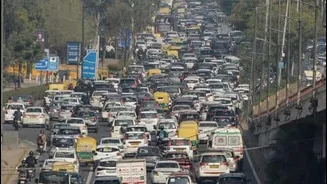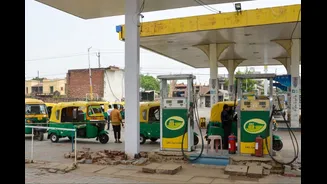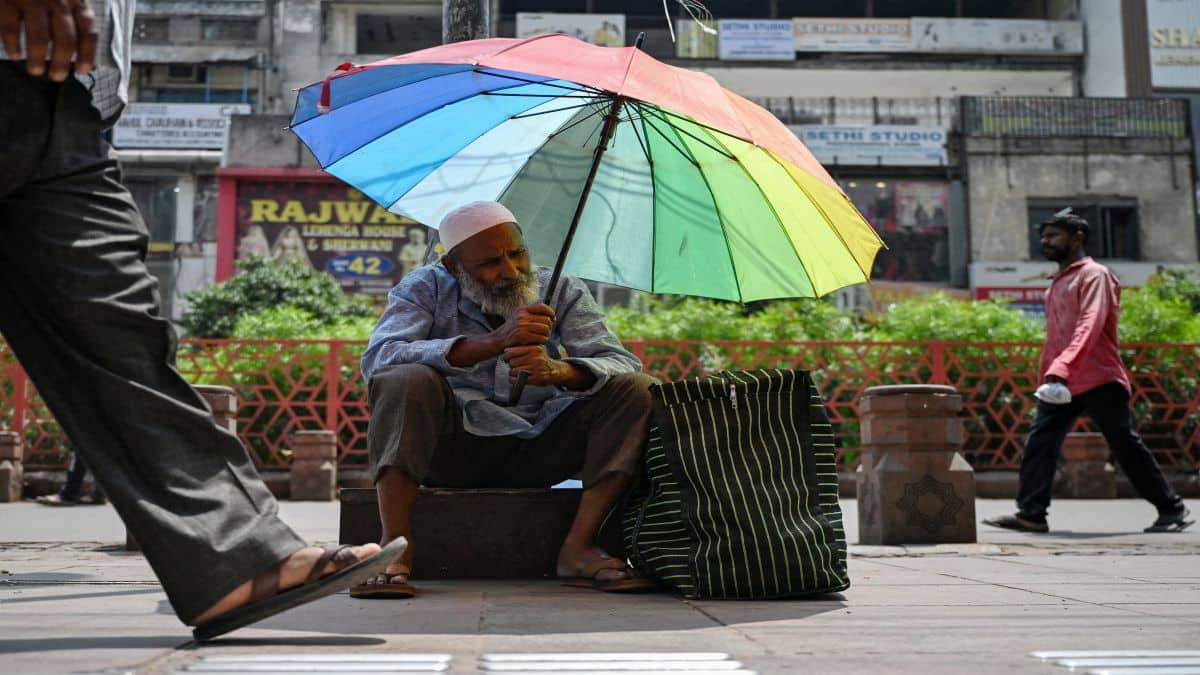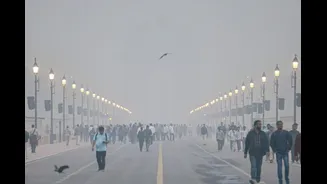







With the Air Quality Index (AQI) in Delhi in “poor” category on Tuesday, the Commission for Air Quality Management in NCR imposed stage I of Graded Response Action Plan in the Capital. The CAQM, in its
order, stated: “The AQI of Delhi has shown increasing trend and recorded as 208 (‘Poor’ Category) today. Further, the forecast by IMD/ IITM indicates AQI to remain in ‘Poor’ category in coming days.”
What is GRAP 1 imposed in Delhi?
GRAP 1 (Stage I) stands for the first stage of the Graded Response Action Plan, which is a set of emergency anti-pollution measuresenforced in the Delhi-National Capital Region (NCR).
It is activated by the Commission for Air Quality Management (CAQM) when the Air Quality Index (AQI) falls into the “Poor” category (ranging between 201 and 300).
Stage 1 is the first alert level in a 4-tier plan designed to proactively stop air quality from getting worse.
#CAQM urges the citizens of #NCR to adhere to the following steps as mentioned in the Citizen Charter of Stage-I of #GRAP.
.
.
.
.@moefcc @CPCB_OFFICIAL @dpcc_pollution @uppcbofficial @Haryana_spcb @RSPCB_official pic.twitter.com/rsgyVqnDqk— Commission for Air Quality Management (@CAQM_Official) May 19, 2026
What are the restrictions under GRAP 1?
When GRAP 1 is implemented, a 27-point action plan goes into effect to curb pollution at its source:
Construction Sites: Strict dust-control guidelines must be followed. Private construction and demolition projects measuring 500 square metres or more can be suspended if they do not comply with dust management rules.
Waste and Biomass: A complete ban is imposed on the open burning of biomass, garbage, and municipal solid waste.
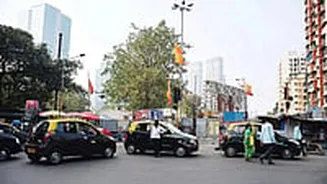
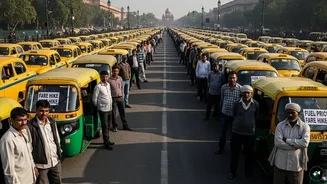
Vehicles: Traffic police intensify on-the-spot PUC (Pollution Under Control) certificate checks. Visibly polluting vehicles are heavily fined or impounded, and there is a strict ban on over-age vehicles (diesel vehicles older than 10 years and petrol vehicles older than 15 years).
Roads: Municipal bodies increase periodic mechanized sweeping and water sprinkling on roads to keep dust down.
Eateries and Hotels: The use of coal and firewood is banned in tandoors, restaurants, and open eateries. They must use electricity or gas-based appliances.
Power Generators: The use of Diesel Generator (DG) sets as a regular source of power supply is highly restricted and discouraged.
Industries: Strict penal action is taken against non-compliant industrial units, brick kilns, and hot mix plants to control emissions.
What are the four stages of GRAP?
As air quality deteriorates, the CAQM progressively activates stricter stages:
- Stage 1 (Poor | AQI 201–300): Basic precautions, dust mitigation, and vehicular checks.
- Stage 2 (Very Poor | AQI 301–400): Ban on diesel generators and regulated coal use.
- Stage 3 (Severe | AQI 401–450): Strict bans on non-essential construction and specific categories of older cars (like BS-III petrol and BS-IV diesel vehicles).
- Stage 4 (Severe+ | AQI >450): Emergency measures, truck entry bans, and work-from-home or school closure advisories.
With agency inputs