






Global music festivals are increasingly establishing themselves as major cultural epicentres, where sound, storytelling, and location converge in a travel economy driven by experiences. For the modern
traveller, these festivals represent far more than just lineups; they embody scale, personal identity, and immersive ecosystems rooted in regional culture while attracting global audiences.
In 2026, a select group of festivals continues to stand out, each uniquely positioned within the global landscape, leading in their respective genres, and offering experiences that go far beyond music.
Tomorrowland – Belgium
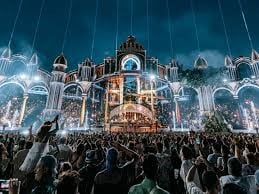
Tomorrowland is widely regarded as the benchmark for electronic dance music festivals worldwide. With over 400,000 attendees across two weekends, its scale is matched only by its extraordinary production ambition.
While EDM remains its core, featuring top DJs across house, techno, trance, and progressive, the festival’s defining feature is its narrative-driven stage design. Each year, the venue transforms into a mythical universe built around a central theme that influences every aspect of the experience.
Its incredibly diverse audience, representing over 200 nationalities, fosters a rare sense of global unity. Tomorrowland is not just a festival, it is a spectacle.
Primavera Sound – Barcelona
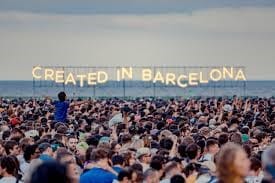
The Primavera Sound in Barcelona focuses on indie, alternative, pop, and experimental music, attracting audiences who value diversity over mainstream popularity. With around 200,000 attendees annually, it unfolds along Barcelona’s urban shoreline, blending city life with live music.
One of its defining strengths is its programming philosophy, bringing together emerging indie talent and globally recognised acts, while maintaining a strong commitment to gender-balanced lineups.
Fuji Rock Festival – Niigata
Held at the Naeba Ski Resort, the Fuji Rock Festival in Niigata offers one of the most unique festival experiences in the world, where music meets nature. Drawing around 100,000 attendees, it features a diverse mix of rock, electronic, indie, and world music.
Fuji Rock’s strong commitment to sustainability sets it apart, making it one of the cleanest and most environmentally conscious festivals globally. Surrounded by mountains and forests, it provides a serene yet powerful contrast to urban festivals—offering both escape and immersion.
UNTOLD – Cluj-Napoca
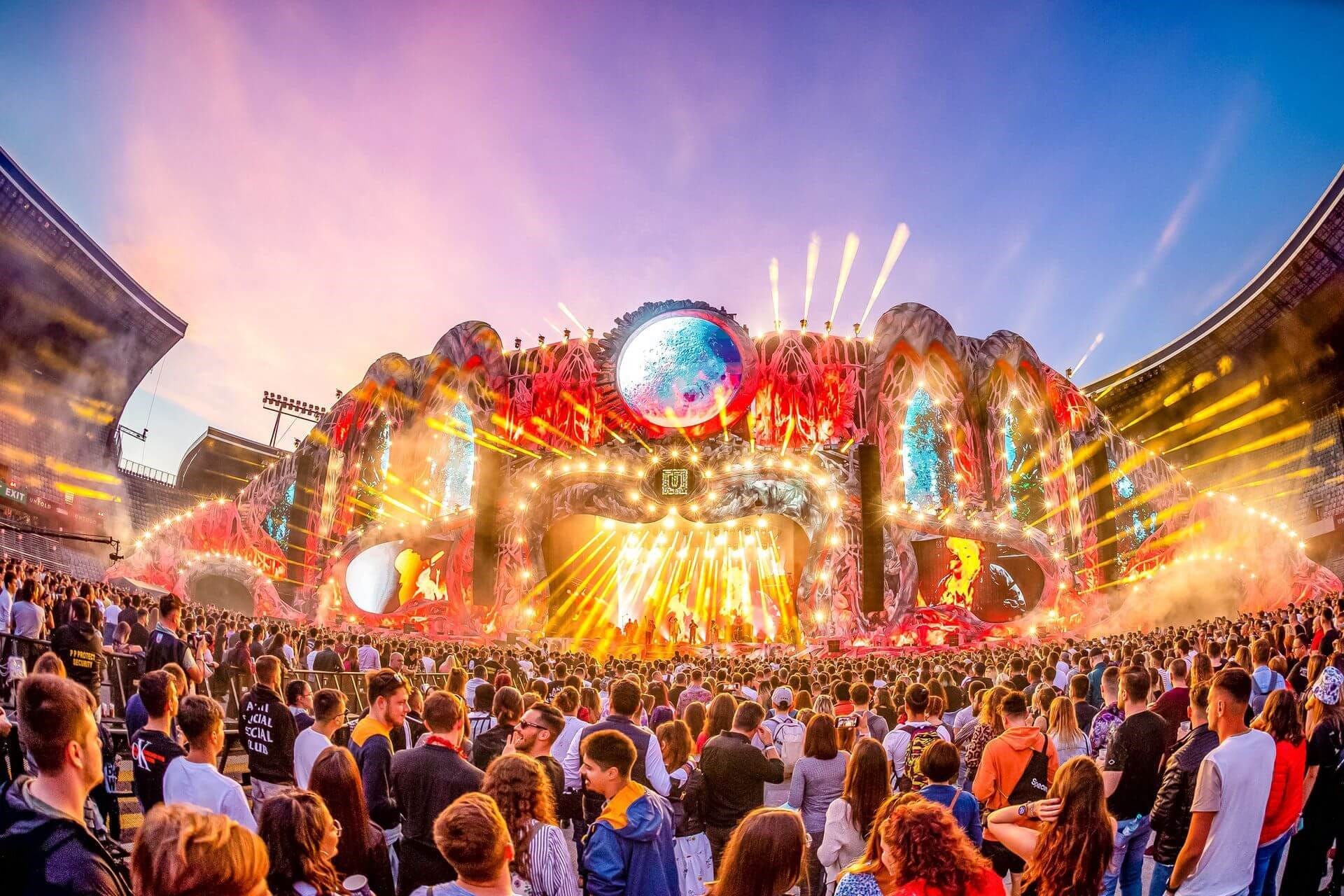
UNTOLD Festival, held in Cluj-Napoca, has rapidly become Eastern Europe’s flagship electronic music festival, attracting over 350,000 attendees each year.
While rooted in EDM, it also features live and pop acts, broadening its appeal. During the festival, Cluj-Napoca transforms into a vibrant cultural hub. What distinguishes UNTOLD is its fusion of large-scale production with emotional storytelling, often drawing on fantasy-driven themes to create a deeply immersive experience.
Kappa FuturFestival – Turin, Italy
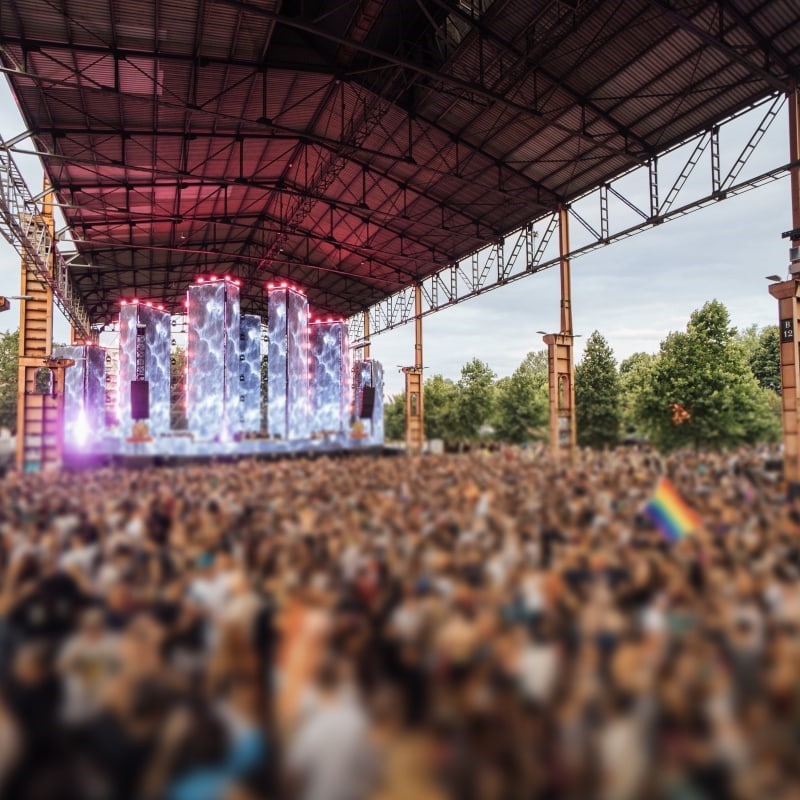
Kappa FuturFestival has emerged as one of Europe’s most iconic electronic music festivals, drawing over 100,000 attendees annually. Held in the post-industrial setting of Parco Dora in Turin, it transforms former steelworks into a dynamic playground for techno and house music enthusiasts.
Unlike traditional festivals, Kappa Futur thrives on its urban identity, gritty, immersive, and deeply embedded in contemporary electronic culture. Featuring globally renowned DJs such as Carl Cox, Amelie Lens, and Charlotte de Witte, it delivers an intense, meticulously curated experience from day to night.
The Bigger Picture
These festivals highlight how global music events have evolved, from performance-driven gatherings to fully immersive, large-scale cultural experiences.
From Tomorrowland’s theatrical precision to Fuji Rock’s environmental consciousness, each festival offers a distinct value proposition shaped by genre, location, and audience philosophy.
In 2026, choosing a festival is less about who’s performing and more about what kind of experience you want, whether it’s spectacle, nature, energy, or cultural immersion.