




At Bengaluru’s iconic breakfast joint Vidyarthi Bhavan, the griddles almost never get a break. From early morning, cooks stand behind the burners preparing plate after plate of hot, crisp dosas for customers
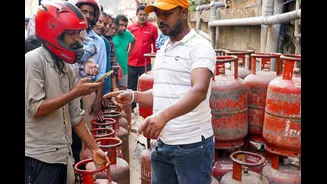
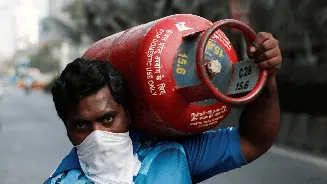
lined up outside the eatery. But this week, the real worry inside the kitchen isn’t the usual breakfast rush. It is the sudden shortage of commercial LPG cylinders, thanks to the Israel-Iran conflict. Confused, how? Well, here we explain.
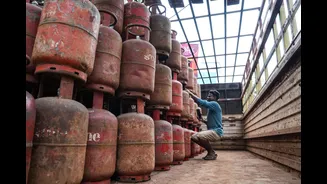
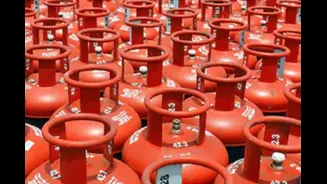
According to restaurant operators, supply issues in the eatery began around March 9 when commercial LPG deliveries dropped by a huge number. Many establishments reportedly received barely 20 per cent of their usual supply. Since the kitchen depend heavily on gas for constant cooking, even a short interruption can force restaurants to rethink their daily functioning.
As reported by Moneycontrol, Arun Adiga, managing partner of the nearly eight-decade-old Vidyarthi Bhavan, said the situation has already started affecting kitchen operations. According to him dishes such as dosas require high-flame burners, which consume significant amounts of gas. Smaller restaurants may use six to eight cylinders daily while larger establishments can require up to 10 or 12 cylinders.
How Many Dosas Does Restaurant Sell
The scale of cooking at Vidyarthi Bhavan shows how quickly the shortage can disturb the whole ecosystem. On a usual weekday, the restaurant sells between 800 and 1,000 dosas. During weekends, that number can reach nearly 3,000. With such high output, even a brief halt in LPG supply could affect not only the restaurant but also the thousands of customers.
The Israel–Iran Connection
The restricted supply of LPG cylinders is linked to global disruptions in shipments from West Asia. India imports a significant portion of its cooking gas from the region and the ongoing Israel–Iran conflict has affected supply routes. As a result, imported LPG is currently being prioritised for essential sectors such as hospitals and educational institutions.
Oil marketing companies have also informed commercial and industrial customers that supplies are constrained for the time being. To cope with the shortage, some eateries are already adjusting their menus and are considering shifting to dishes that require less gas or can be prepared using electric equipment. In this case, items like sandwiches, oven-based pizzas, soups and other low-flame preparations may temporarily replace dosas in some places.
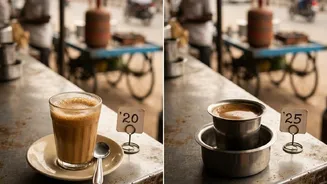
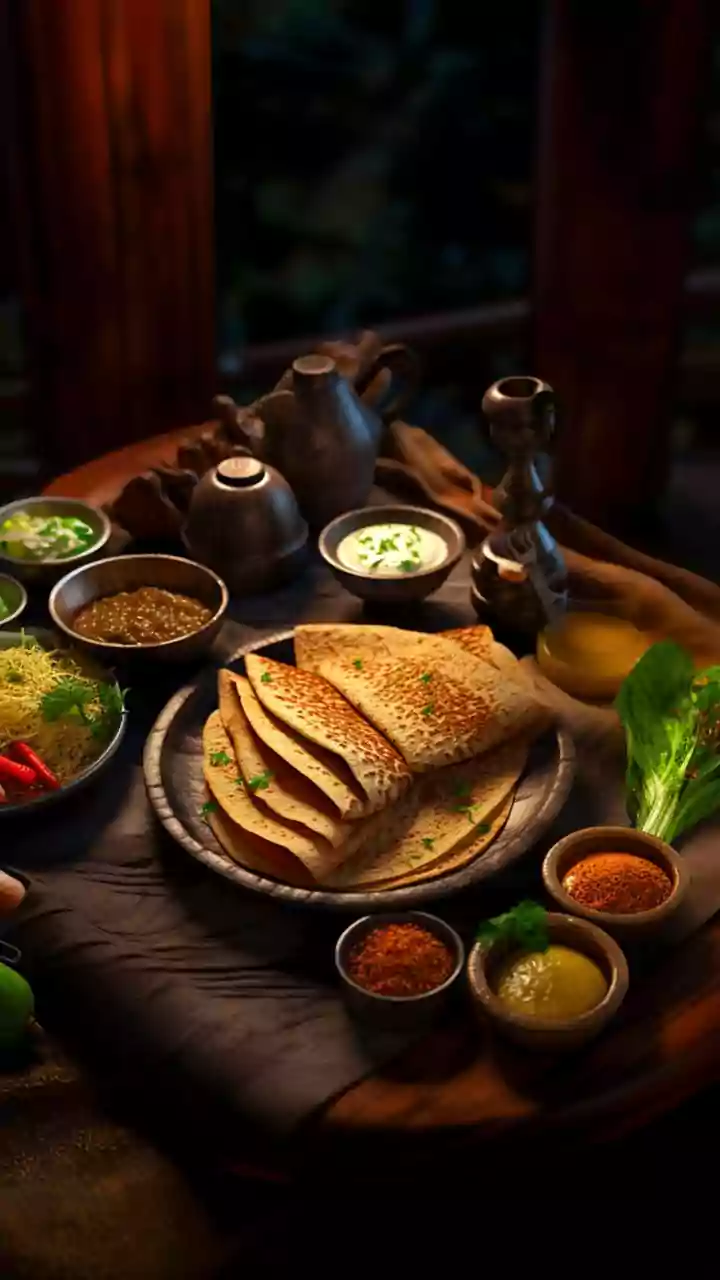
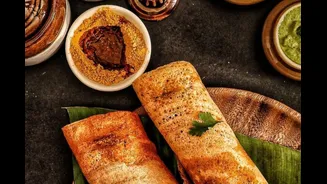
The situation has also sparked conversation online, especially because Vidyarthi Bhavan has long been a cultural landmark in Bengaluru. The restaurant, founded in 1943 in Basavanagudi’s Gandhi Bazaar area, is famous for its benne masala dosa, along with dishes like idli-vada, poori saagu, kesari bhath and strong filter coffee.
When A Foreign Couple Reviewed Eatery’s Masala Dosa
The restaurant had also gone viral last year after an American-Indian vlogger couple shared a review of their visit. In the video, they rated the famous masala dosa 7 out of 10, describing it as slightly oily. In her words, “The texture was nearly perfect. Yet we found it a bit oily and lacking in flavour.” They also praised the coconut chutney and khara bath. She highlighted the servers’ ability to carry 20 dosas at once.