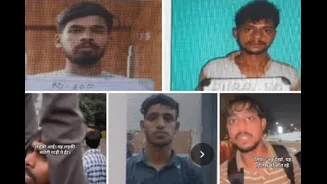






According to the sources, Delhi Police’s Facial Recognition System (FRS), installed at Jantar Mantar following the violence during the July 20 protests, identified more than 2,500 individuals with criminal
backgrounds at the protest site over the past three days.
According to police sources, the FRS detected over 2,500 such individuals between July 21 and July 23 after it was deployed to strengthen surveillance in the wake of clashes that broke out during the Opposition-backed agitation.
Miscreants Attacked Police Officials With Knives
Police alleged that miscreants embedded within the crowd had been targeting security personnel and carrying out attacks using knives and other sharp-edged weapons.
Four FRS units have been installed at key entry and exit points around the protest venue and are linked to the Delhi Police database.
The system is being monitored in real time by police officers, enabling them to instantly verify the identity of any wanted criminal or habitual offender whose details already exist in police records.
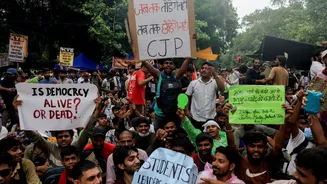
The latest revelation comes as the probe into the violence that erupted during the Cockroach Janta Party (CJP)-led protests.
Also Read: From 8 PM Announcements To Midnight Reels: Prime Minister Modi Leads Algorithmic Pivot To Connect With Gen Z
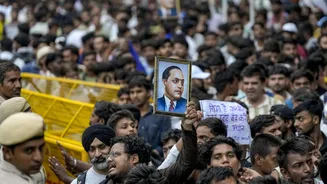
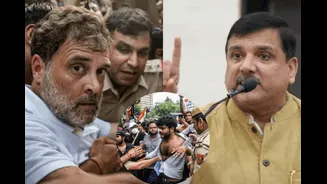
Delhi Police said the facial recognition system was installed after violence erupted during the July 20 ‘Sansad Chalo’ march, when protesters clashed with security personnel.
So far, Delhi Police has registered 15 FIRs in connection with the violence and is continuing its investigation into those allegedly involved in the attacks on police personnel and damage to public property.
All About NEET Protests
The protests were sparked by allegations of widespread irregularities in examinations and recruitment processes, with thousands of students taking to the streets to demand greater accountability and reforms in the education system.
A key demand of the protesters has been the resignation of Union Education Minister Dharmendra Pradhan over the NEET paper leak controversy.
Also Read:‘Do I Need A Character Certificate?’: Sonam Wangchuk Slams Critics Over Decision To End Fast
The agitation intensified on July 20 when Cockroach Janta Party (CJP)-backed protesters marching towards Parliament under the ‘Sansad Chalo’ call were stopped by Delhi Police.
The ensuing clashes saw police using lathis and tear gas to disperse the crowd, leaving several protesters and security personnel injured. Multiple FIRs were registered following the violence.
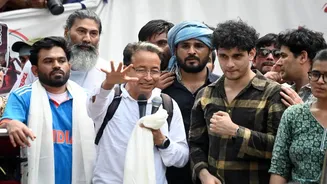
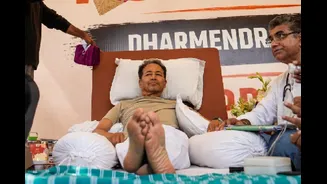
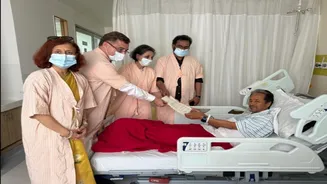
Climate activist Sonam Wangchuk, who had joined the movement and was on a 26-day hunger strike, ended his fast in the early hours of Friday after holding talks with Health Minister JP Nadda and Union Minister Jitendra Singh.
In response to the protests, Prime Minister Narendra Modi announced strict action against those involved in paper leaks, including the setting up of fast-track courts to ensure speedy trials.