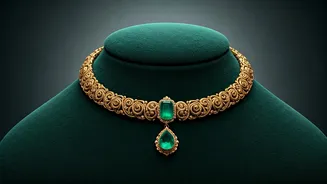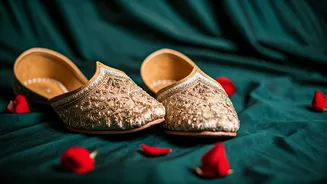


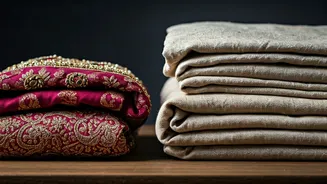
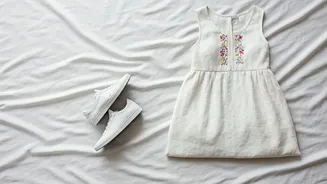
After years of maximal embellishment and logo-heavy spectacle, fashion is softening its voice. Across wardrobes, a new mood is emerging – one built on restraint, refinement and thoughtful detail. Heavy
ornamentation is giving way to clean silhouettes. Loud trends are being replaced by longevity. The spotlight is no longer on excess, but on craft.
From airy Indian kurtas to sharply tailored jackets inspired by vintage eras, today’s most compelling pieces share one thing in common: they whisper rather than shout.
Craft Over Clutter
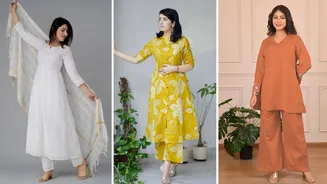
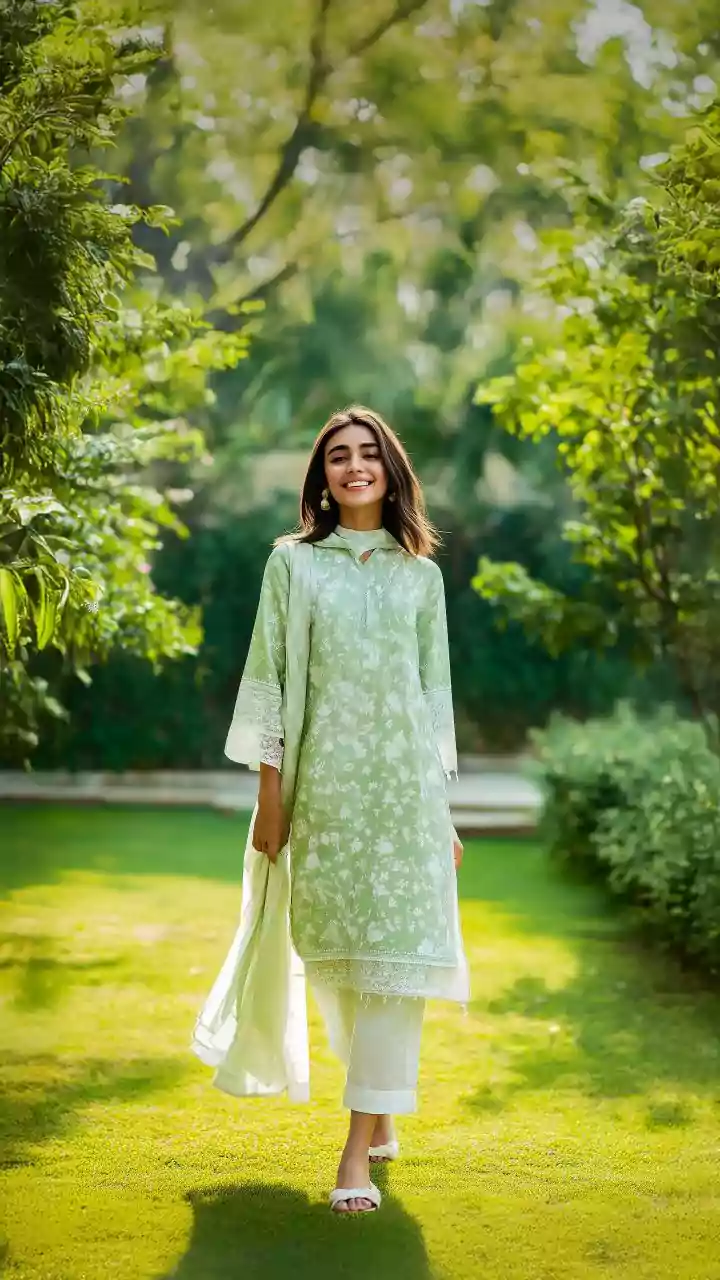
“Indian wear is increasingly embracing clean, elegant, and understated aesthetics,” says Prakhar Tondon, founder of Kailash Chikans. He notes that modern consumers are choosing refinement over heaviness, seeking garments that feel light, timeless and effortless.
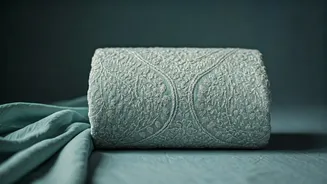
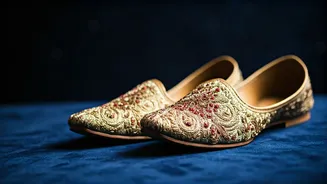
Techniques like Chikankari, he explains, demonstrate how delicate handwork can elevate a piece without overwhelming it. “The focus is no longer on heavy ornamentation, but on precision, fabric quality, and thoughtful detailing,” he says, adding that such pieces transition seamlessly from daily wear to special occasions – a practical luxury suited to contemporary lifestyles. It’s a subtle shift, but a significant one. Craftsmanship is becoming the statement.
The Vintage Lens
At the same time, the past is informing the present in quieter ways. Vintage fashion, once viewed as purely nostalgic, has evolved into a source of design intelligence.
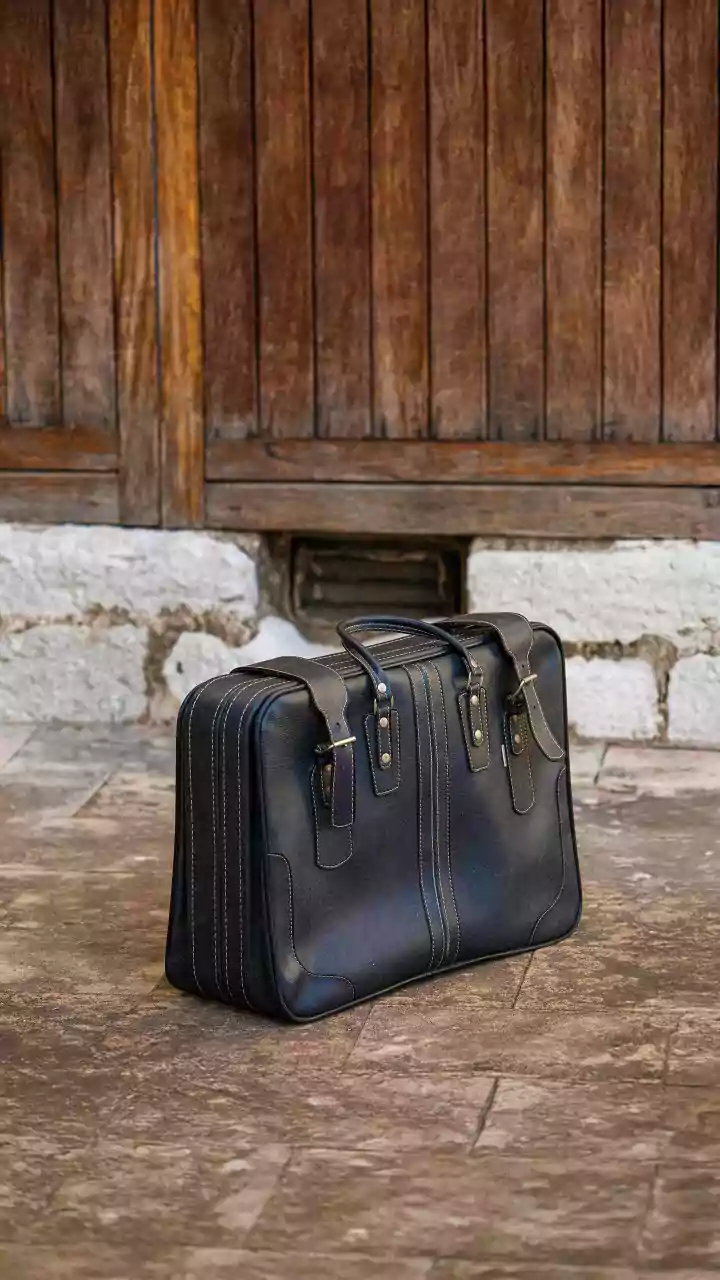
For Shruti Shah, founder of House of Shursha, the resurgence signals a deeper appreciation for structure and permanence. “Garments from past decades offer endurance,” she says, pointing to 1950s tailoring, 1970s fluidity and 1980s power silhouettes now being reinterpreted with modern restraint.
Rather than copying the past, designers are refining it by pairing heritage cuts with clean lines and balanced proportions. “The result is fashion that feels rooted yet relevant,” Shah explains.
Fashion Without Borders
This return to craft also coincides with a broader global exchange. Traditional textiles and artisanal methods are crossing borders, blending into contemporary silhouettes that feel both local and universal.
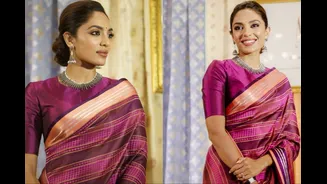
Shah observes that Indian handlooms are meeting Western tailoring, while minimal layering influenced by Japanese design aesthetics finds harmony with regional techniques. “Elegance transcends geography,” she says, describing this movement as one guided by intention rather than spectacle. The common thread between vintage revival and cross-cultural design is authenticity. Both reject fast, disposable fashion in favour of pieces with story and substance.
Dressing With Intention
What emerges is a wardrobe philosophy grounded in longevity. Clean construction, breathable fabrics, and refined finishes allow garments to move effortlessly between occasions. A chikankari kurta pairs with denim by day and silk trousers by night. A structured blazer outlasts seasonal trends. These pieces aren’t built for a single Instagram moment. They’re built to stay.
Tondon believes this signals a maturing consumer mindset. “Elegance is defined by balance, comfort, and authenticity,” he notes – qualities that feel increasingly relevant in a world saturated with visual noise.
The New Luxury Code
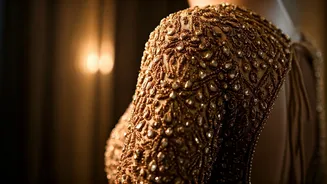
Fashion’s most powerful statements are no longer the loudest ones. They’re found in the finesse of a seam, the fall of a sleeve, the patience of hand embroidery. In slowing down and looking closer, style regains its meaning.
As clean Indian wear meets vintage influence and global craft, a new aesthetic takes shape: one that honours heritage while embracing modern life. It’s less about standing out and more about standing true. And in that quiet confidence lies fashion’s most enduring form of luxury.