





What is the story about?
If you’ve ever looked at house plans in India or spoken to a builder, you’ve probably heard this before — the kitchen should be in the south-east corner. It sounds oddly specific, but there’s a reason
this idea is so common. A lot of it comes from Vastu Shastra, the traditional system of architecture followed in many Indian homes. According to Vastu, the south-east direction is linked to the element of fire. Since the kitchen is where cooking happens, placing it in the “fire zone” is believed to create balance and positive energy in the house. For many families, this isn’t just a belief, it’s something they strongly prefer when building or buying a home. But it’s not only about tradition. There’s a practical side too.
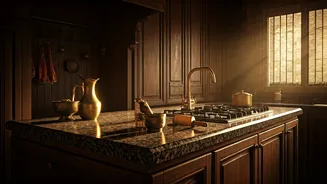
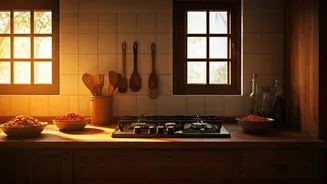
In most parts of India, the sun rises in the east and moves towards the south during the day. A south-east facing kitchen gets good sunlight in the morning, which is actually useful. It helps keep the space well-lit, reduces dampness and even keeps things a bit more hygienic, especially in older homes where ventilation wasn’t always great.
Morning light also makes the kitchen more comfortable to work in. By the time the afternoon heat builds up, the sun has already moved, so the kitchen doesn’t get as unbearably hot as it would if it faced west.
There’s also a habit factor.
In many Indian households, cooking traditionally starts early in the day. Having sunlight come in at that time just makes the space feel more active and usable. It’s one of those small things that ends up making a difference over time.
That said, not every home strictly follows this today.
In modern apartments and cities, space constraints, building layouts and plumbing lines often decide where the kitchen goes. Many people still prefer the south-east direction if they have a choice, but it’s not always possible.
In the end, the idea has stuck around because it blends belief with practicality. It’s partly about VASTU, partly about how sunlight moves, and partly just habit passed down over generations.
So the next time you hear someone insist on a south-east kitchen, it’s not random. It’s a mix of tradition and everyday logic that’s been shaping Indian homes for a long time.