




For the longest time, global gourmet culture carried a certain predictability. Luxury was associated with imported cheeses, European techniques, exotic berries flown across continents, and ingredients
that sounded sophisticated simply because they were foreign. Meanwhile, some of the most layered, intelligent, and deeply regional ingredients from Indian kitchens quietly remained underestimated, often dismissed as “traditional” rather than celebrated as exceptional. But something is changing. And honestly, it feels overdue.
Indian Ingredients Are Finally Getting Their Due
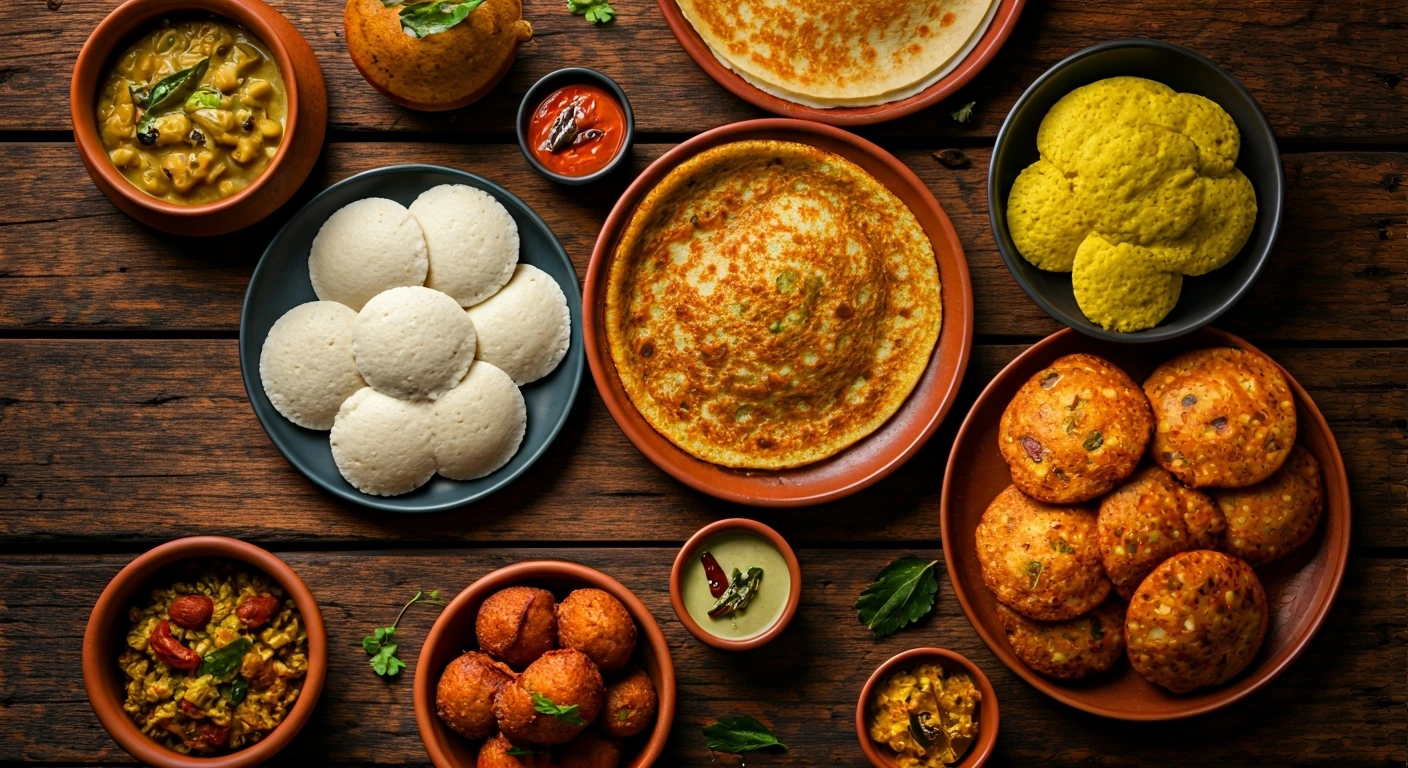
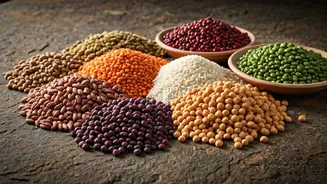
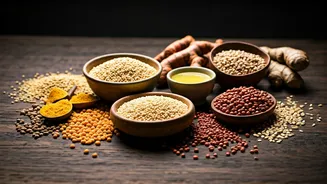
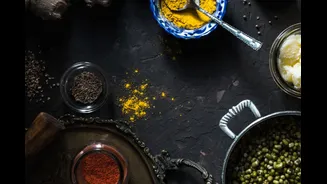
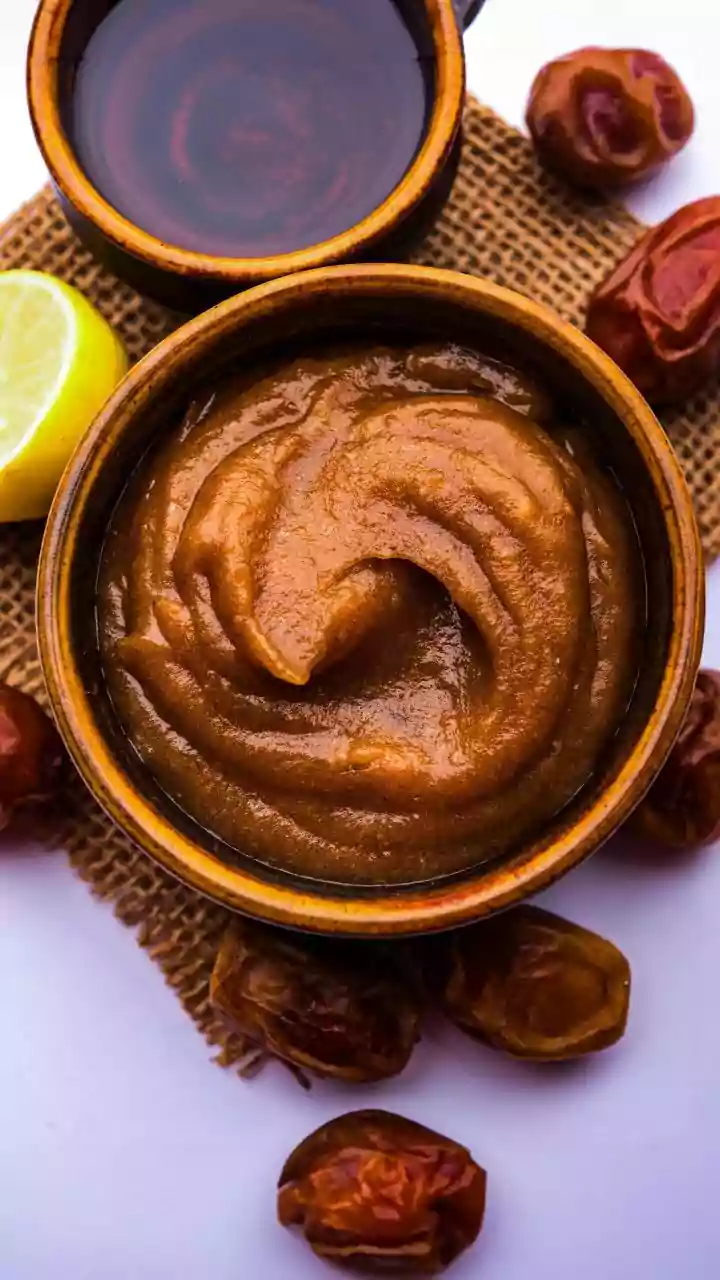
Today, ingredients like millets, kokum, moringa, jaggery, cold-pressed mustard oil, gondhoraj, thecha, and amaranth are no longer confined to wellness aisles or grandmother-approved recipes. They are appearing in tasting menus, artisanal cafés, chef-led dining experiences, and modern plated desserts. Not because they are suddenly trendy, but because chefs and diners alike are beginning to understand their complexity, versatility, and cultural depth.
Chef Shivani Sharma, Chefpreneur and Founder, Gourmestan, believes the gourmet conversation globally ignored the immense potential of Indian ingredients for years. And she’s right. There is extraordinary sophistication in ingredients we have historically taken for granted.
“The elegance in cold-pressed mustard oil, the complexity in the acidity of kokum, the resilience in millets that sustained civilizations long before the word ‘superfood’ existed,” as Sharma describes it, reflects something far more meaningful than trend-driven dining. It reflects culinary memory.
Perhaps that is what makes this moment so interesting. Indian food is no longer trying to imitate global fine dining. Instead, it is redefining it through its own lens.
From Grandma’s Kitchen To Modern Fine Dining
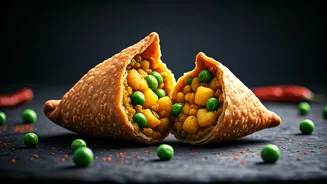
One of the most fascinating shifts has been the rise of hyper-local flavour profiles being presented with modern technique. Thecha, for example, was never designed to be polished. It was fiery, rustic, unapologetically Maharashtrian comfort food. Yet today, dishes like the “Cheese Thecha Bomb” are resonating with younger diners who want nostalgia packaged with novelty.
Chef Pooja Sachdev, Co-Founder and Creative Head, Gourmetly Yours, sees this evolution as a cultural shift rather than just a culinary one. She explains that ingredients once associated purely with home kitchens are now entering premium dining spaces in entirely new forms.
Pickles, chutneys, jaggery, and millet-based dishes are being reimagined with refined techniques and global influences, without losing their identity. And that balance is important.
Because the real success of modern Indian gourmet food lies not in making desi ingredients “international enough,” but in allowing them to remain proudly themselves while elevating presentation and storytelling around them.
Why Diners Are Craving Rooted Flavours Again
There is also a larger emotional reason why this movement is resonating so strongly right now. Food fatigue is real. After years of algorithm-driven dining trends, people are craving familiarity again. They want flavour with memory attached to it. They want food that tastes rooted, not manufactured for virality.
That is probably why regional Indian ingredients suddenly feel luxurious again. Not because they became expensive, but because people are rediscovering the labour, heritage, and intelligence behind them.
Millets are not exciting because the West approved them. They are exciting because generations before us understood sustainability instinctively. Kokum is not valuable because it is rare on international menus. It is valuable because of the depth it brings to food. Jaggery is not a substitute for sugar. It is an ingredient with character, texture, and nuance.
Desi Never Needed Validation
Perhaps that is the most refreshing part of this culinary shift. Indian cuisine is finally moving beyond the need for validation. It is no longer apologising for bold flavours, regional specificity, or traditional techniques. Instead, it is reclaiming them with confidence.
Because desi was never the “new” gourmet. It always was.