







What was once considered occasional discomfort is fast turning into a defining health concern of the digital age. From students to working professionals, a growing number of people are experiencing persistent
neck pain, hand strain, and posture-related issues, conditions now commonly referred to as tech neck, texting thumb, and laptop spine.
These aren’t isolated problems anymore. They are becoming a pattern.
According to Bharati Jajoo, Medical Director, BodyDynamics, Happiest Health, these issues are increasingly being seen in younger individuals, something that was once rare. “Every day, I see students and professionals experiencing pain patterns that were earlier common only among older adults. The cause is not illness, but prolonged and unaware use of technology,” she explains.
How Everyday Tech Habits Are Impacting the Body
The human body was not designed for long hours of screen engagement, especially in static, strained positions. Yet, modern lifestyles demand exactly that.
Dr Vinay Kumaraswamy, Orthopaedic Surgeon, Knee and Shoulder Specialist, Fortis Hospital, Rajajinagar, Bangalore explains that prolonged screen time, poor posture, and repetitive device usage place continuous stress on the neck, spine, and hand joints. Over time, this leads to musculoskeletal strain that can evolve into chronic conditions.
One of the most common concerns is tech neck. When the head tilts forward to look at a screen, the pressure on the cervical spine increases significantly. Even a slight forward tilt can multiply the load on the neck several times over.
Similarly, repetitive thumb movements while texting can irritate tendons, leading to pain and reduced mobility, commonly known as texting thumb. Long hours hunched over laptops, often without proper support, gradually affect spinal alignment, giving rise to what many experts now call laptop spine.
As Jajoo points out, these changes don’t happen overnight. “They develop slowly, but their impact builds over time,” she notes.
From Mild Discomfort to Chronic Pain
What makes these conditions particularly concerning is how subtly they begin. A slight stiffness in the neck, occasional wrist pain, or mild back discomfort can easily be ignored.
However, as Dr Vinay Kumaraswamy warns, these early signs can progress into chronic pain, stiffness, and even early degenerative changes if left unaddressed. The body is not built to endure prolonged static postures or repetitive strain without adequate recovery.
The Good News: Prevention Is Simple
Despite the rising prevalence, experts agree on one reassuring fact, these conditions are largely preventable.
Ergonomics doesn’t require expensive setups or major lifestyle overhauls. Instead, it’s about small, consistent habits.
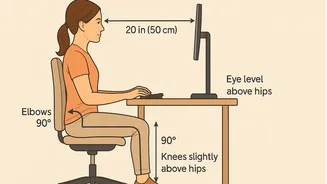
Bharati Jajoo emphasises that mindful adjustments such as keeping screens at eye level, sitting with proper back support, taking short breaks, and maintaining natural body alignment can significantly reduce strain.
Echoing this, Dr Kumaraswamy highlights the importance of incorporating regular breaks and stretching into daily routines. These simple interventions can go a long way in protecting long-term musculoskeletal health.
A Wake-Up Call for the Digital Generation
As technology continues to dominate both work and leisure, these emerging health concerns cannot be ignored. What makes them particularly alarming is their preventable nature.
This World Health Day, the message from experts is clear: prevention must become a daily practice.
Small, conscious changes in how we interact with our devices today can prevent long-term pain tomorrow. Because in a world that is increasingly digital, taking care of our physical health is no longer optional, it’s essential.