




As the global oil market reels from supply disruptions triggered by the ongoing conflict in West Asia, the United States has once again recalibrated its sanctions stance on Russian energy. In a sharp reversal,
Washington has extended a sanctions waiver allowing countries, including India, to continue purchasing Russian crude, barely two days after signalling that such relief would not be renewed.
What Has The US Decided On Russian Oil Sanctions?
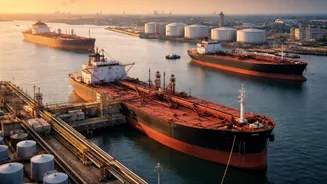
The US Treasury has issued a fresh general license permitting the purchase of Russian crude oil and petroleum products loaded onto vessels on or before April 17. These transactions will be allowed to continue until May 16, effectively extending the earlier waiver by nearly a month.
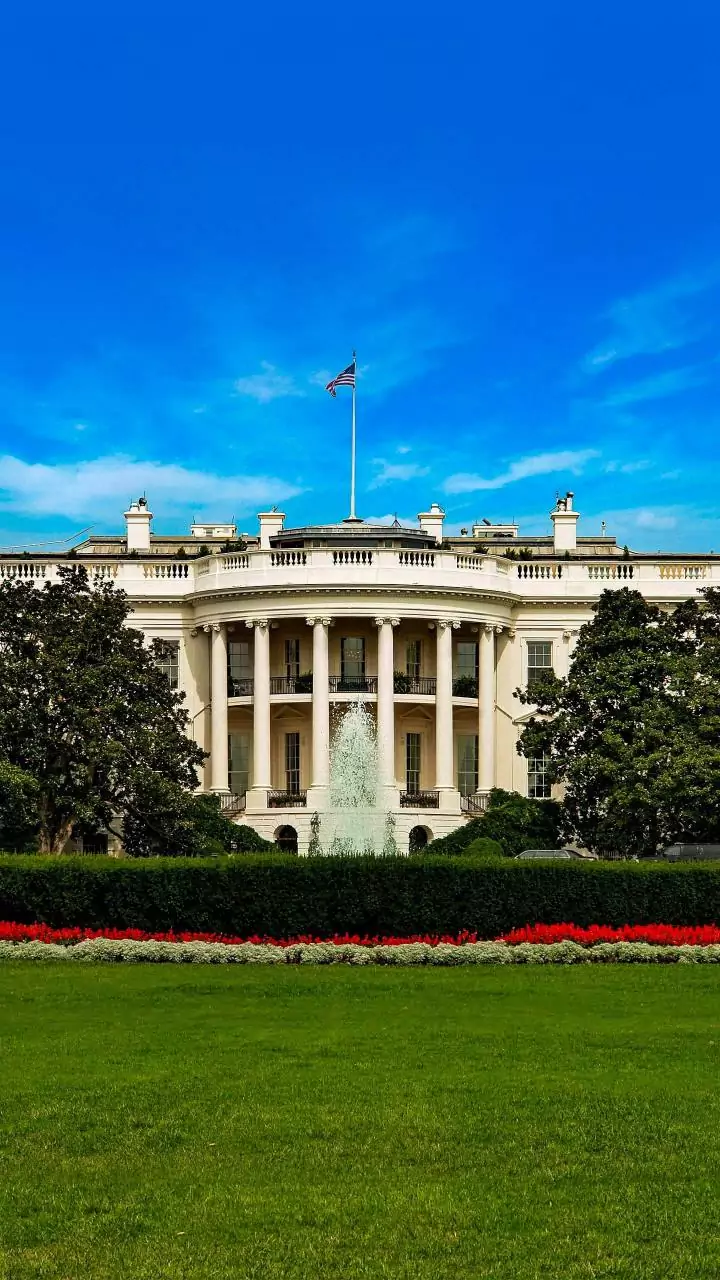
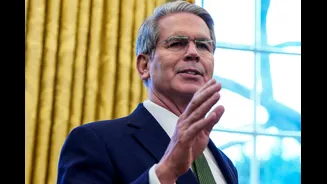
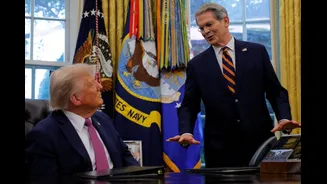
This comes despite clear indications earlier in the week that no extension was forthcoming. US Treasury Secretary Scott Bessent had said at a White House briefing, “We will not be renewing the general license on Russian oil and we will not be renewing the general license on Iranian oil. That was oil that was on the water prior to March 11. So all that has been used.”
The latest order marks a clear policy shift. While the new waiver covers Russian energy, it excludes purchases from Iran, signalling a more selective approach even as broader sanctions remain in place.
Why Did Washington Reverse Its Position?
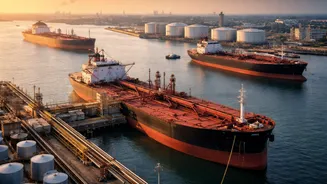
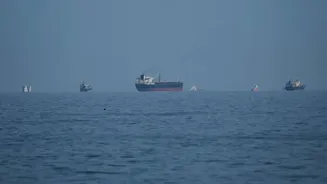
The reversal comes against the backdrop of a severe supply squeeze triggered by the ongoing conflict in West Asia. With vessel movements through the Strait of Hormuz, a key artery for global oil trade, sharply disrupted, a significant share of oil flows from the Gulf has been affected, forcing major importers to look for alternative supplies.
Although there are early signs that shipping through the Strait could pick up amid a fragile US-Iran truce, any sustained recovery is expected to take time. It could take weeks or months for flows to normalise, especially with damage to energy infrastructure in the region. More than 80 oil and gas facilities have been affected, according to the International Energy Agency.
In this context, allowing continued access to Russian oil helps ease supply pressure and prevents further escalation in prices. A US official told Reuters, “As negotiations accelerate, Treasury wants to ensure oil is available to those who need it.”
How Does This Affect India’s Energy Security?
India stands out as one of the biggest beneficiaries of the waiver. As the world’s third-largest oil consumer, it depends on imports to meet more than 88 per cent of its crude requirements. The current supply disruption has further heightened the need for stable and diversified sourcing.
The waiver enables Indian refiners to continue receiving Russian oil—including cargoes transported on sanctioned vessels—and to transact with entities that would otherwise be restricted under US sanctions. Without such a license, these transactions could expose refiners to secondary sanctions, complicating procurement and financing.
While New Delhi has maintained that its energy sourcing decisions are guided by national requirements and market conditions, the waiver provides practical flexibility. External Affairs Ministry spokesperson Randhir Jaiswal said, “As far as energy sourcing is concerned, we have told you on several occasions what our policy is. It is based on meeting the requirements of our 1.4 billion people as also the market conditions and the global situation that is available.”
How Has India’s Russian Oil Dependence Changed Recently?
India’s crude sourcing pattern has shifted significantly in response to both sanctions and supply disruptions. Earlier this year, imports of Russian oil had declined amid tighter US restrictions on companies such as Rosneft and Lukoil, as well as ongoing trade discussions between New Delhi and Washington.
However, the introduction of the sanctions waiver in March led to a sharp increase in purchases. Hindustan Times, citing government officials, reported that India ordered around 30 million barrels of Russian crude after the waiver came into effect. According to tanker data from commodity market analytics firm Kpler, imports rose to around 2 million barrels per day in March, accounting for a whopping 44.4 per cent of India’s total oil imports for the month.
Even with some moderation in April, Russia has remained India’s largest crude supplier in recent months, according to industry data.
What Are The Political And Economic Implications In The US?
The waiver extension has not been without controversy in Washington. Critics argue that allowing continued purchases of Russian oil undermines efforts to restrict Moscow’s revenue from energy exports, particularly in the context of the Ukraine war.
US Senator Richard Blumenthal wrote on X, “No way the Russia sanctions waiver should be extended. Trump’s waiver has handed Russia an extra $150 billion a day to fuel its murderous war machine…”
Similarly, Congressmen Gregory Meeks and William Keating have introduced a bill in the House of Representatives seeking to terminate such waivers altogether. In a joint statement, they argued that the policy effectively gives Russia financial space to sustain its war effort while global prices remain elevated.
“The Trump Administration’s war of choice in the Middle East has caused prices at the gas pump for everyday Americans to skyrocket. To offset this reckless decision, Trump issued licenses that gave Putin a free pass to take advantage of the global rise in energy costs and fill Russia’s coffers for its illegal war against Ukraine — all while Russia helped Iran target and kill American service members in the Middle East. We’re introducing this bill to end the existing licenses, prevent them from being issued in the future, and starve Russia of the oil revenues it so desperately needs,” the two legislators said in a statement.
Is This A Temporary Relief Or A Longer-Term Shift?
For now, the waiver runs only until May 16, making it a short-term measure. Its extension highlights the extent to which energy markets are currently being shaped by immediate geopolitical pressures rather than long-term strategy.
For India, the decision provides breathing space at a critical moment.