



As India braces for sticky humidity, crowded hill stations, and months of monsoon showers, South Africa enters one of its most rewarding travel seasons. Between May and September, the country transforms
into a destination built for slower mornings, dramatic wildlife encounters, cosy wine-country escapes, and landscapes that feel refreshingly removed from the chaos of an Indian summer.
For Indian travellers, this period offers the perfect seasonal contrast. While cities back home battle rising temperatures and relentless rainfall, South Africa welcomes crisp air, clear skies, and outdoor experiences that feel effortlessly comfortable.
What makes these months even more appealing is that South Africa doesn’t “slow down” in winter. In many ways, it becomes even better.
The Safari Season Comes Alive
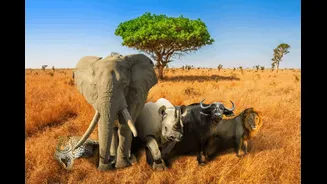
May marks the beginning of South Africa’s dry winter season, widely considered the best time for safaris. Across reserves like Kruger National Park, Sabi Sands, Madikwe, and KwaZulu-Natal, the bush begins to thin out as rainfall decreases, making wildlife dramatically easier to spot. Animals naturally gather around rivers and waterholes, turning game drives into high-reward experiences.
This is the season when safari mornings feel cinematic. There’s a sharpness in the air, golden sunlight cutting through the grasslands, and the thrill of spotting elephants, lions, leopards, and rhinos without dense vegetation obscuring them.
Unlike the humid safari conditions experienced during South Africa’s summer months, winter safaris are cooler, more comfortable, and often far less exhausting for travellers who aren’t accustomed to extreme heat.
For Indian travellers accustomed to monsoon gloom between June and August, there’s something deeply refreshing about waking up to bright blue skies and spending entire days outdoors.
Escaping India’s Monsoon Mood
There’s also a psychological appeal to travelling during this time. While much of India spends these months indoors navigating flooded roads, delayed flights, and humid weather, South Africa offers a complete reset.
Cape Town’s winter atmosphere feels moody in the best possible way: misty vineyards, dramatic coastlines, fireplace dinners, and long wine tastings in Stellenbosch and Franschhoek. Johannesburg and the country’s safari regions enjoy dry, sunny winter days that are ideal for outdoor experiences.
It becomes the kind of trip where you naturally slow down. Days revolve around leisurely brunches, scenic drives, safari sundowners, and quiet luxury rather than packed sightseeing schedules.
Whale Watching, Wildflowers, and Seasonal Magic
What makes May to September especially unique is the overlap of experiences. You aren’t just travelling for safari season. You’re arriving at a time when the country’s coastlines and landscapes begin putting on a completely different show.
From June onwards, southern right whales begin arriving along South Africa’s Whale Coast, particularly around Hermanus and De Hoop Nature Reserve. By July and August, whale sightings become one of the country’s most spectacular seasonal experiences, with enormous whales breaching surprisingly close to shore.
Then comes spring. By August and September, Namaqualand and parts of the Western Cape explode into colour as wildflowers bloom across landscapes that were dry and barren only weeks earlier.
It’s this combination of experiences that makes the season so rewarding. You can spend a few days tracking the Big Five in the bush, then fly down to the coast for whale watching, ocean drives, and flower-covered landscapes, all within the same trip.
Fewer Crowds, Better Pace
Another underrated advantage of travelling during these months is the pace. Outside peak festive travel periods, many parts of South Africa feel calmer and more intimate. Safari lodges feel quieter, roads feel emptier, and experiences become more personal.
For travellers increasingly looking for meaningful, slower holidays rather than rushed itineraries, this season naturally delivers that rhythm.
There’s also a different kind of luxury attached to winter travel in South Africa. It’s the warmth of a safari lodge after an early morning game drive. It’s drinking red wine beside a fireplace in the Winelands. It’s wrapping yourself in blankets during a sunrise safari while the bush slowly wakes up around you.
A Different Kind of Winter
Perhaps the biggest surprise for many Indian travellers is that South African winters rarely feel harsh in the way they imagine. Most safari destinations still enjoy sunny daytime temperatures, while Cape Town’s cooler weather adds atmosphere rather than discomfort.
Instead of being a season to avoid, winter in South Africa feels like the country at its most cinematic.
And maybe that’s what makes May to September so special. At the exact moment India begins craving an escape from humidity and rain, South Africa quietly enters its most soulful season.