







Once temperatures exceed 40°C, discussions around hydration need to move beyond the basic idea that “you must drink more water.” Prof. Dr. S M Fayaz, Lead & Senior Consultant, Internal Medicine, KIMS Hospitals
(Krishna Institute of Medical Sciences), Mahadevapura, Bengaluru, feels, the more important question is: what exactly does the body lose during extreme heat, and which drinks can help replenish those losses effectively?
“When temperatures soar, our bodies lose water, sodium, potassium and glucose through sweating,” explains Dr Fayaz. “That’s why people can still experience symptoms of dehydration such as weakness and fatigue despite drinking plenty of water.”
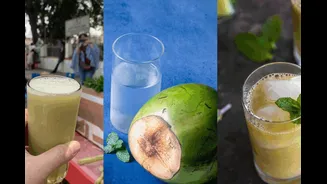
This is where traditional Indian summer drinks such as aam panna, coconut water and sugarcane juice prove their worth. According to Dr. Fayaz, these beverages have remained popular for generations because they serve specific physiological functions that help the body cope with intense heat.
Aam Panna: The Most Functional Summer Cooler
Among the three, Dr Fayaz considers aam panna one of the most functional summer beverages.
Raw mangoes are rich in vitamin C, pectin and essential minerals, while the addition of salt and cumin helps replenish electrolytes lost through excessive sweating.
“From a medical perspective, aam panna is particularly beneficial for people who spend long hours outdoors, such as delivery personnel, traffic police officers, athletes and construction workers,” says Dr Fayaz.
Heat exhaustion often begins subtly, with symptoms such as headaches, irritability, muscle cramps and reduced energy levels. According to Dr. Fayaz, aam panna can help address many of these early warning signs while also stimulating appetite, an important benefit given that people often eat less during extreme heat.
Coconut Water: Nature’s Hydration Solution
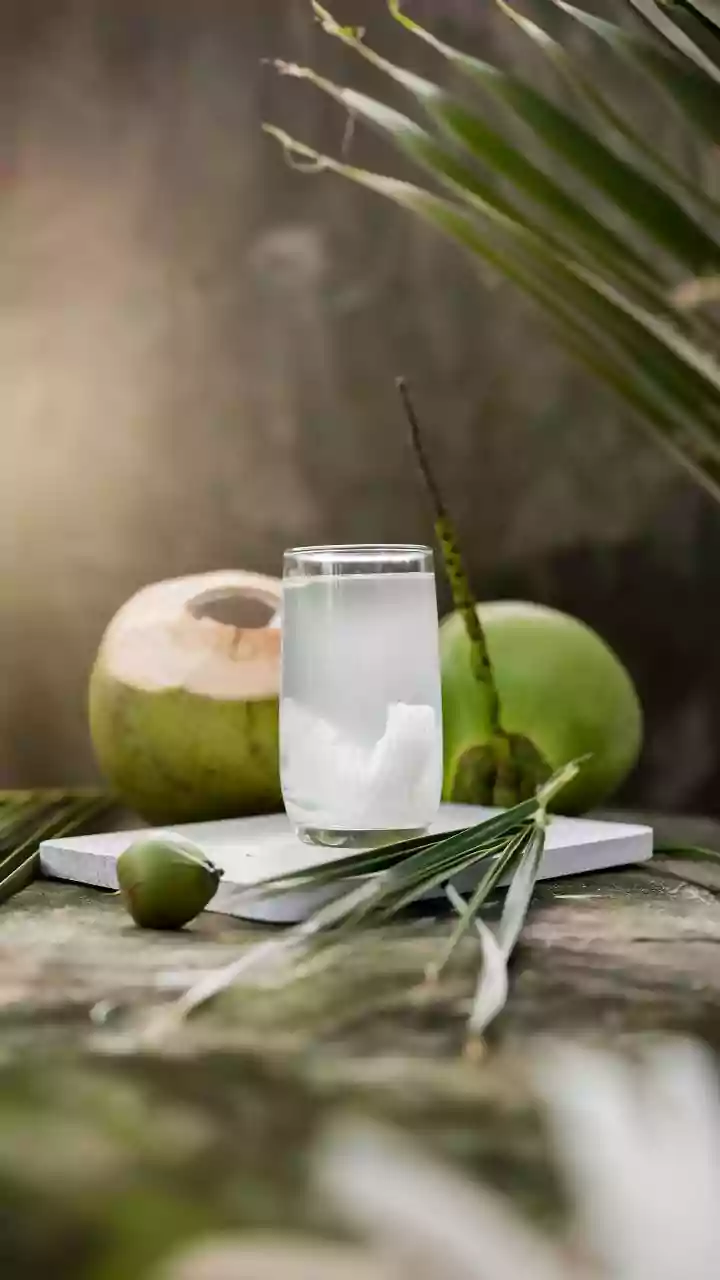
If aam panna is the most functional drink, coconut water may be the closest natural alternative to an oral rehydration solution.
“Coconut water provides hydration without making the body feel heavy and is easy to digest, making it especially useful during humid weather when digestion tends to slow down,” explains Dr Fayaz.
He frequently recommends coconut water to patients because it is an effective way to replenish potassium levels naturally without relying on artificial supplements.
Another advantage is that coconut water generally does not cause the sharp spikes in blood sugar levels associated with many packaged juices and energy drinks.
However, Dr Fayaz cautions against excessive consumption.
“Many people assume that if something is healthy, more must be better. That’s not always true. Excessive coconut water intake may contribute to electrolyte imbalances in people with kidney disorders or uncontrolled diabetes,” he says.
Sugarcane Juice: The Instant Energy Booster
According to Dr Fayaz, sugarcane juice belongs to a different category altogether.
While electrolyte replacement is not its primary strength, it excels at providing quick energy during periods of extreme heat.
“When exposed to high temperatures, some individuals may experience sudden drops in blood pressure and blood glucose levels, leading to fatigue, dizziness, trembling or even fainting,” explains Dr Fayaz.
Fresh sugarcane juice helps restore energy quickly because it contains naturally occurring carbohydrates. It also provides antioxidants, along with small amounts of iron and calcium.
However, hygiene remains a major concern.
Dr Fayaz warns that roadside sugarcane juice prepared using contaminated ice or poorly sanitised machines can increase the risk of infections such as typhoid, hepatitis A and other gastrointestinal illnesses, particularly during summer.
The Best Drink Depends on the Person
One of the most important points, according to Dr Fayaz, is that there is no single “best” summer drink for everyone.
“A young outdoor worker exposed to the afternoon sun may benefit more from aam panna, while an elderly individual experiencing mild dehydration indoors may respond better to coconut water,” he explains.
For most people, rotating between traditional summer beverages may be the most practical strategy, as each drink offers unique benefits depending on individual needs and environmental conditions.
Why Traditional Summer Drinks Still Matter
What concerns Dr. Fayaz is the growing tendency to replace traditional beverages with packaged soft drinks, artificially flavoured coolers and high-caffeine beverages.
“These products may feel refreshing initially, but they often worsen dehydration because of their high sugar and caffeine content,” he notes.
According to Dr. Fayaz, traditional Indian summer drinks evolved over generations in response to local climate conditions, digestive needs and heat adaptation.
“Long before terms like ‘electrolyte balance’ became part of everyday conversations, traditional food wisdom had already recognised what the body needs during extreme heat,” he says.
In many ways, modern medical science is simply validating practices that Indian households have followed for decades.