



Fitness for women is undergoing a meaningful transformation. Especially around Mother’s Day, conversations around wellness are becoming less about achieving unrealistic body goals and more about building
sustainable lifestyles that support physical, emotional, and mental well-being. Across generations, women are increasingly choosing routines that fit naturally into their lives instead of following rigid fitness cultures that often feel exhausting and unsustainable.
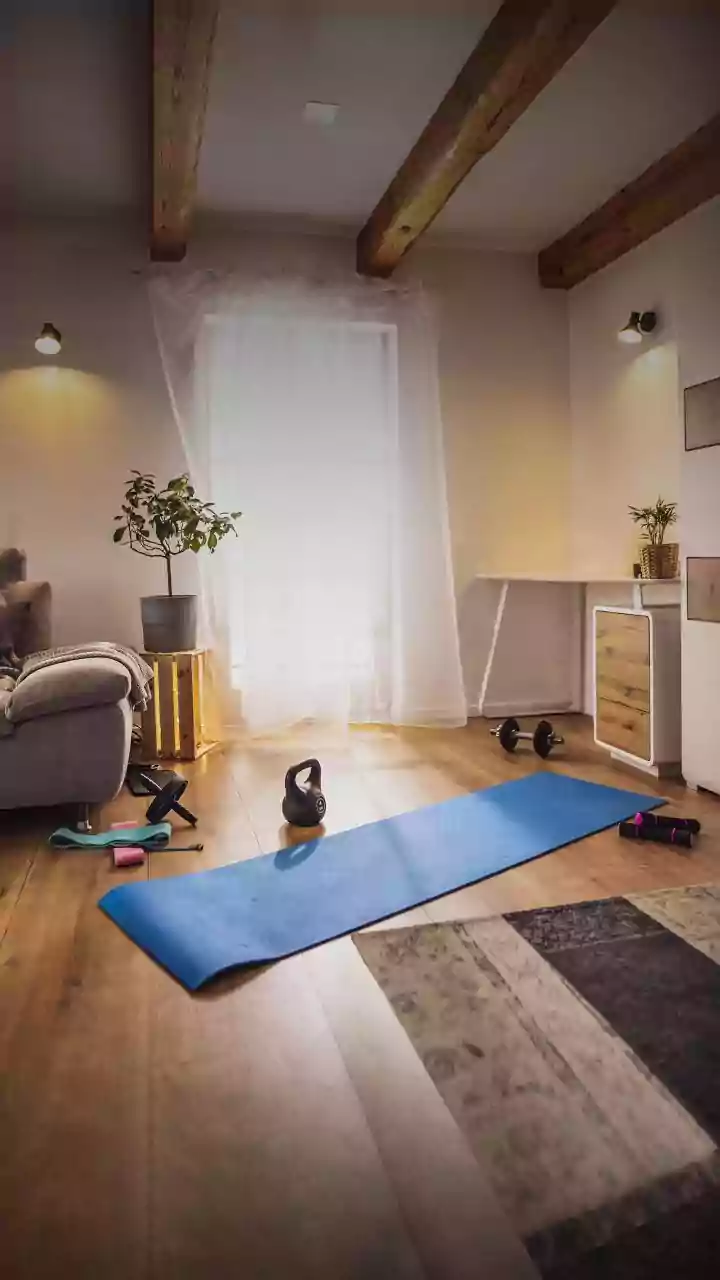
Today, fitness is no longer limited to high-intensity workouts or strict diet plans. Instead, it is about consistency, balance, flexibility, and self-care. Whether it is a short home workout, mindful eating, yoga between meetings, or simply prioritising rest, women are redefining wellness in ways that feel practical and deeply personal.
According to Sonam Garg Sharma, Founder & CEO, Medical Linkers, modern fitness trends are rooted in emotional well-being as much as physical health. “Fitness today is no longer about intensity or extremes. It is about making small, conscious choices each day, staying active, understanding the body, and allowing rest without guilt,” she says. She also highlights how a woman’s well-being has a larger impact on the family ecosystem. “A healthy mother is the heart of a happy home. When women feel physically and mentally healthy, it reflects in the way they nurture and uplift everyone around them.”
This shift toward realistic and sustainable wellness is also changing the way women approach everyday routines. Rather than chasing perfection, many are embracing comfort and flexibility as essential parts of their fitness journey.
Manveen Ssharma, CEO, Pinq Polka, believes this growing focus on comfort is central to modern well-being. “Women today have realised that staying healthy is about making mindful everyday choices. Comfort and wellness are deeply connected,” she explains. She adds that small habits often create the biggest long-term impact, especially for women balancing multiple responsibilities. “When women feel relaxed and comfortable in their daily lives, it naturally boosts confidence and creates a positive effect not only within themselves but also in their interactions with family and society.”
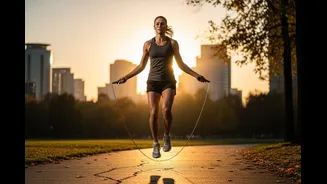
Another emerging trend is the rise of flexible fitness routines that adapt to busy schedules rather than disrupt them. Women are increasingly moving away from rigid exercise plans and finding creative ways to stay active throughout the day.
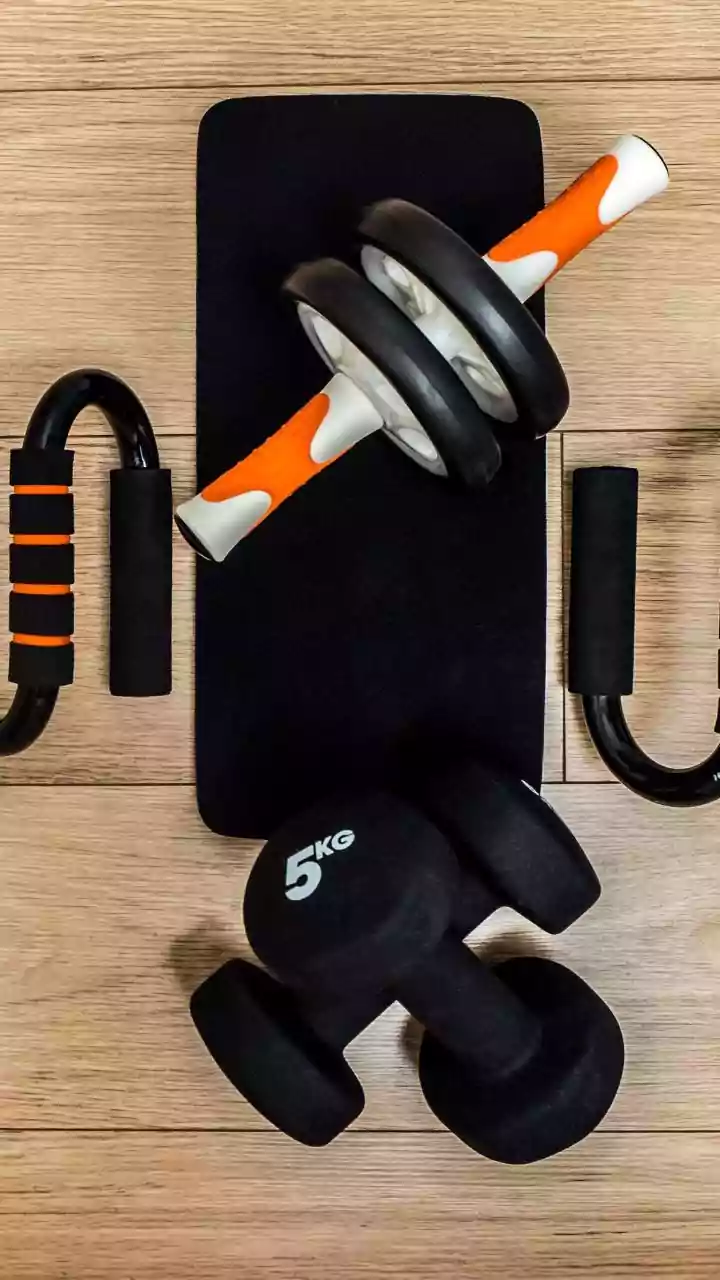
For Ananya Shrivastava, MD, Media Mavericks, this evolution represents a healthier and more inclusive approach to fitness. “Women are gradually rejecting strict exercise plans and embracing flexible routines that are easier to combine with busy lifestyles,” she says. “Whether it is a quick 20-minute workout at home, walking instead of driving short distances, or practising yoga during work breaks, these small shifts matter.” She also emphasises the connection between personal wellness and family well-being. “A healthy mom creates a healthier atmosphere at home. Focusing on both physical fitness and mental well-being brings more positivity and energy into family life.”
Alongside physical activity, women are also becoming more aware of the importance of hormonal health, intuitive eating, and mental wellness. Functional fitness, workouts that improve everyday strength and mobility is gaining popularity because it supports real-life activities such as lifting children, managing household work, or maintaining energy levels throughout the day.
According to Dr Geeta Jain, HOD of Gynaecology & IVF, Aastha Hospital and co-founder, Maccure Hospital, women are now paying closer attention to understanding their bodies rather than simply following generic wellness trends. “There is increasing awareness around menstrual health, hormonal changes, nutritional needs, and mental wellness,” she says. “Practices such as meditation, breathing exercises, digital detoxes, and intuitive eating are becoming important parts of women’s fitness routines.” She further notes that prioritising health has a ripple effect within families. “When women take care of themselves, they become role models for their children and create healthier homes overall.”
Ultimately, the biggest fitness trend women are embracing today may simply be self-awareness. Instead of punishing routines and unrealistic expectations, wellness is becoming softer, smarter, and more compassionate. And perhaps that is the healthiest shift of all.
Because when women feel stronger, healthier, and emotionally balanced, the benefits extend far beyond individual well-being, they shape happier homes, healthier families, and more positive communities.