
Karnataka on Wednesday recorded its first death of the season linked to Kyasanur Forest Disease (KFD), commonly known as monkey fever, after a 29-year-old man from Thirthahalli in Shivamogga district succumbed
to the infection at Manipal’s KMC hospital.
He had been running a fever since 20 January and was first treated at a local hospital, before being shifted to Manipal’s KMC Hospital on Sunday after his condition worsened.
Health officials have termed it an unusual outcome, noting that most patients recover when the illness is detected in time. “In his case, our officers immediately picked him up after symptoms were reported, and KFD was confirmed within one day, and the referral happened quickly. He was stable until a couple of days ago,” Gurudatta Hegde, the state health commissioner, told The Times of India.
The fatality comes as sporadic cases have begun appearing in Shivamogga and neighbouring Chikkamagaluru earlier than usual, signalling the start of the seasonal cycle of a disease that recurs annually in the Western Ghats.
With the peak months ahead, the death has reinforced concern over preparedness in forest-edge communities that face the highest exposure.
What Is Kyasanur Forest Disease?
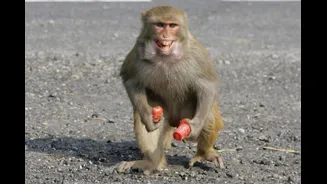
Kyasanur Forest Disease is a viral haemorrhagic fever caused by the KFD virus, first identified in the Kyasanur forest region of Shivamogga in 1957. The disease was initially recognised after sudden deaths among monkeys, and investigations later confirmed that humans were being infected through ticks that thrive in the dense, biodiverse slopes of the Western Ghats.
Since then, thousands of cases have been reported, with outbreaks largely confined to this ecological belt.
KFD is not transmitted from person to person. Instead, the virus circulates in a forest environment involving monkeys, rodents and ticks, and reaches humans primarily through the bite of infected Haemaphysalis spinigera ticks. The major transmission window typically runs from November to June, when tick activity is high.
How Does It Spread And Where Is It Found?
The disease spreads when people working or moving through forests encounter ticks carrying the virus. Those engaged in farming, grazing, collecting firewood, gathering forest produce or undertaking other livelihood activities in forested or semi-forested areas are at greater risk.
Karnataka’s Malenadu region reports cases almost every year, and while the disease occasionally appears in neighbouring states, it remains mostly endemic to the Western Ghats. The early appearance of sporadic cases this year suggests increased viral circulation at the start of the dry season.
What Symptoms Does It Cause?
Symptoms generally begin abruptly three to eight days after exposure. Early signs include sudden high fever, severe headache, chills, muscle pain and fatigue. Many patients recover once supportive care begins, but a proportion experience a more complicated progression.
After a few days of the initial symptoms, patients experience muscle pain, vomiting, and gastrointestinal issues. About 10 to 20 per cent experience a second wave marked by neurological issues such as tremors, disturbed mental function, problems with vision and persistent severe headaches.
According to an Indian Express report, some cases can advance to bleeding tendencies or multi-organ involvement when the infection becomes severe.
How Dangerous Is Monkey Fever?
While most people recover within one to two weeks with timely medical support, the disease can be life-threatening when complications set in or when care is delayed. The US Centers for Disease Control and Prevention estimates the fatality rate at between three and ten per cent.
The recent death in Karnataka, despite early diagnosis, has been described by officials as an outlier precisely because early detection generally improves outcomes.
How Is KFD treated?
There is no specific antiviral treatment for Kyasanur Forest Disease. Care is centred on managing symptoms and preventing complications. Supportive treatment may include stabilising blood pressure, maintaining fluid balance, providing oxygen support and addressing secondary infections.
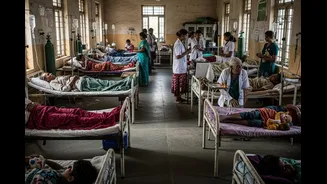
Hospitals in endemic districts have been advised to ensure readiness with isolation facilities and referral mechanisms for complicated cases.
How Can The Disease Be Prevented?
People should consistently use insect repellents containing DEET on exposed skin, wear full-length clothing when entering forests and avoid contact with sick or dead animals, particularly monkeys.
Although a vaccine exists and has been used in certain pockets in the past, its coverage has been inconsistent, and its effectiveness has varied. Research institutions are working to improve existing formulations.
Why Do Outbreaks Occur Every Year?
The ecology of the Western Ghats — dense forests, abundant wildlife, humid undergrowth and tick populations — forms a long-established cycle in which KFD persists. Forest-dependent communities are especially vulnerable because their livelihoods require regular forest entry, making avoidance nearly impossible. Limited awareness, inconsistent vaccine uptake and uneven access to early testing in remote regions continue to contribute to repeated seasonal outbreaks.
What Steps Have Authorities Taken This Season?
Following the first death, Karnataka’s health authorities have intensified fever surveillance across villages close to forest zones. Primary health centres have been directed to test suspected cases promptly, and rapid response teams have been activated. Preventive measures, including the distribution of tick repellents and awareness campaigns in high-risk communities, have been stepped up.