


India’s ongoing heatwave is no longer just about discomfort, it’s becoming a full-blown public health concern, quietly overwhelming OPDs with a surge of heat-related illnesses that go far beyond the usual
dehydration narrative.
According to Dr Pavithra R, Consultant, Internal Medicine, Manipal Hospital Hebbal, the scale of impact is both widespread and intense. “Excess heat is causing multiple health issues, with the elderly, infants, and toddlers being most affected,” she notes, adding that there has been a sharp rise in cases over the past month.
Patients are walking into clinics with a familiar yet alarming cluster of symptoms, dizziness, nausea, vomiting, extreme fatigue, headaches, loose stools, muscle cramps, and persistent dryness of mouth. In fact, she estimates that 80–90% of OPD cases currently present with these heat-linked complaints.
But the concern doesn’t stop at physical exhaustion. As temperatures climb, so does the risk of severe neurological distress. “Heat stroke symptoms can escalate to confusion, delusions, hallucinations, and even dysarthria,” Dr Pavithra explains highlighting how quickly heat stress can turn dangerous if ignored.
Echoing this trend, Dr Sneha S, Consultant – Internal Medicine, Manipal Hospital Sarjapur points out that while extreme heat stroke cases remain relatively limited, early-stage heat exhaustion is rising significantly. “We are seeing a 20–25% increase in patients reporting heat-associated complaints,” she says, largely driven by dehydration and the body’s struggle to maintain fluid and electrolyte balance.
What’s particularly striking is the range of systems being affected. Gastrointestinal issues, nausea, vomiting, abdominal pain, diarrhoea, and reduced appetite are increasingly common. Alongside this, patients are reporting neurological symptoms like headaches, giddiness, lightheadedness, and near-fainting episodes, often accompanied by muscle cramps and persistent fatigue.
There’s also a parallel rise in infections. Both doctors highlight an increase in viral illnesses such as chickenpox, as well as skin conditions like folliculitis suggesting that heat is not just exhausting the body, but also lowering its resilience.
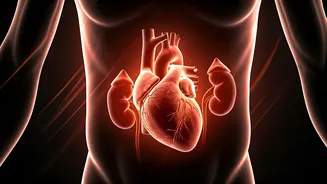
For vulnerable groups, the risks are even higher. “Among elderly patients and those with pre-existing conditions, we are seeing worsening kidney function and fluctuations in blood pressure,” Dr Sneha adds underscoring how heat can quietly aggravate underlying health issues.
What Should You Do
So what can be done? The advice is deceptively simple, yet often ignored. Dr Pavithra stresses the importance of drinking fluids on a schedule, not just when thirsty, taking frequent cooling breaks, and even spending short intervals in air-conditioned environments. “Even brief exposure to cooler settings can significantly reduce the risk of heat stroke,” she says.
The takeaway is clear: this isn’t just a hot summer, it’s a physiological stress test. And while hydration remains key, it’s no longer enough to treat it as a reactive measure. In this heat, prevention isn’t optional, it’s essential.