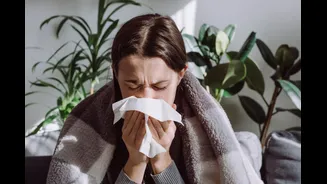

Every winter, as temperatures begin to drop, reports of cases of pneumonia seem to rise. This might lead many to believe and worry that cold weather is the direct cause of the illness. While it’s true
that pneumonia is more common in colder months, the chill itself isn’t to blame.
Dr Manas Mengar, Consultant Pulmonology, KIMS Hospitals, Thane, explains, “Pneumonia is an infection of the lungs caused by bacteria, viruses, or fungi, not by cold air. However, the link between winter and pneumonia is real, and understanding it can help in preventing it.”
Pneumonia develops when infectious agents invade the air sacs (alveoli) in the lungs, causing inflammation and fluid buildup that interferes with oxygen exchange. The most common causes include bacteria like Streptococcus pneumoniae and viruses such as influenza or RSV. In some cases, fungal infections can also trigger pneumonia, particularly in people with weakened immune systems.
Cold weather doesn’t directly cause infection, shares Dr Manas, but it can make the body more vulnerable. Low temperatures dry out the nasal passages, reducing their ability to filter germs. “During winter, people also spend more time indoors with limited ventilation, which allows viruses and bacteria to circulate more easily. These factors together increase the likelihood of catching a respiratory infection that can progress into pneumonia,” he says.
Additionally, viral infections such as the flu and COVID-19, which are more common in colder months, weaken the immune system and pave the way for bacterial pneumonia. Individuals at higher risk include older adults, young children, smokers, and those with chronic illnesses like diabetes, heart disease, or asthma. For these groups, even a mild cold or cough can quickly turn into a serious lung infection.
Symptoms of pneumonia
While they may vary, they mostly include –
- fever
- chills
- cough with phlegm
- chest pain
- fatigue
- difficulty breathing
Because it can resemble the flu or a common cold, people sometimes delay seeking medical attention, which can lead to complications.
Prevention against pneumonia
While the weather itself can’t be controlled, several preventive measures can help lower the risk. Vaccination against pneumococcal bacteria and influenza offers strong protection. Maintaining good hand hygiene, wearing masks in crowded areas, eating nutritious food, exercising regularly, and getting adequate sleep all strengthen the immune system. Avoiding smoking and limiting exposure to pollutants also keeps the lungs healthy.
Dr Manas says, “Pneumonia isn’t caused by cold weather but by infections that thrive in conditions the cold season creates. The drop in temperature, combined with indoor crowding and lowered immunity, forms a perfect storm for respiratory illnesses.”
However, by staying cautious, following preventive health measures, and seeking timely medical care for persistent cough or fever, pneumonia can be effectively prevented and managed — no matter the season.