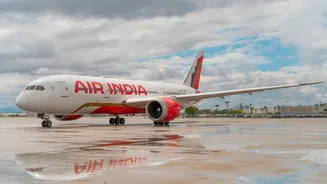






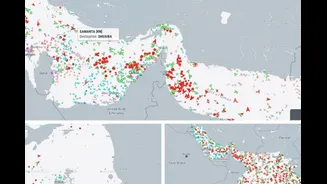
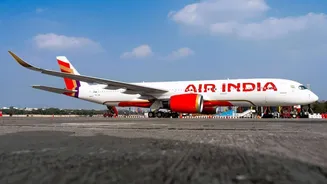
Indian airlines have raised the alarm bells against the rising fuel cost since the beginning of the West Asia war, putting pressure on operational costs. The body warned that they may be forced to shut
down airline operations and cancellation of flights.
The Federation of Indian Airlines (FIA), which represents Air India, IndiGo and SpiceJet, in a letter to the Civil Aviation dated April 26, as cited by CNBC TV-18, said that “urgent support is required for ATF pricing to continue airline operations.”
The sharp surge in crude oil prices has forced oil marketing companies in India to increase the prices of ATF, which accounts for over 50% operational cost of the air carrier. It not only makes the cost of operations costlier but also poses a challenge to maintain a balance of ticket pricing.
The body called that the industry is under extreme stress and is on the verge of closing down or of stopping its operations.
According to FIA, the pricing of Aviation Turbine Fuel (ATF) has become increasingly unpredictable, hurting both domestic and international operations, as stated by CNBC TV-18 report.
FIA added that the pressure is acute on international routes, with rising ATF costs making some routes unviable and leading to significant losses. It has, FIA said, eroded margins for Indian carriers competing with foreign airlines operating out of lower-cost hubs.
Oil Marketing companies announced on April 01 to increase jet fuel prices as the global economy reeled from the fallout of the Iran conflict.
Civil Aviation Minister Ram Mohan Naidu had said the PSU oil marketing companies will implement a partial and staggered increase of 25% (Rs 15/litre) for domestic airlines, while ensuring that foreign routes bear the full market-aligned price. He said this approach will help shield passengers from sharp fare increases, ease the burden on domestic airlines, and support the continued stability of the aviation sector at this crucial juncture.
As an immediate relief measure, the FIA has urged the government to temporarily suspend the 11% excise duty on ATF for domestic flights, reintroduce the “crack band” pricing mechanism, and lower VAT in major aviation hubs.
The industry body added that the current tax structure is worsening cost pressures, especially since excise duty is charged as a percentage of ATF prices.