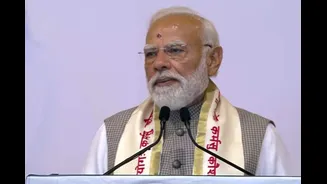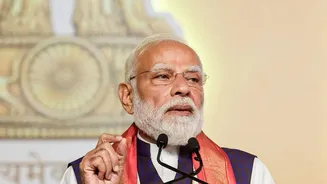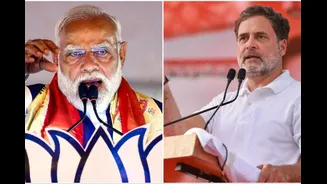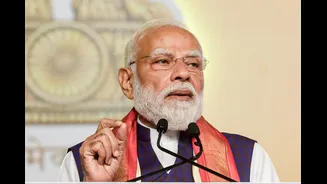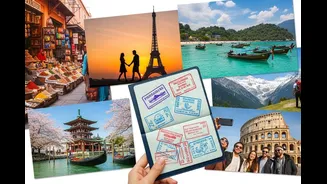






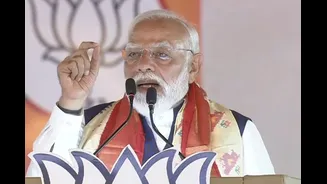

Amid the escalating conflict in West Asia, Prime Minister Narendra Modi on Sunday urged citizens to avoid non-essential foreign travel for the next one year. He called it a matter of “national responsibility”
to safeguard India’s economy against severe global disruptions. News18 explains why it matters.
What PM Modi said
PM Modi on Sunday urged a spate of measures including fuel conservation, work-from-home practices and limits on travel and imports, as a surge in global energy prices puts pressure on the country’s foreign exchange reserves.
“People should prioritise a return to work-from-home and online meetings, widely adopted during the COVID-19 pandemic, saying it would help India use less fuel,” Modi said, adding, “In the current situation, we must place great emphasis on saving foreign exchange.”
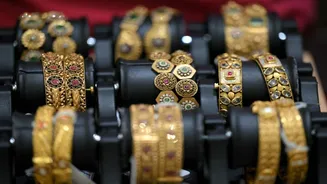
Modi also asked people to use public transport such as the metro and to carpool where possible to conserve fuel. The PM also urged people to avoid buying gold — which India spends on heavily during weddings — and to cut non-essential overseas travel for at least a year to save foreign exchange. He called on families to reduce cooking oil consumption, describing that move as both healthy and patriotic. Modi also asked farmers to cut fertilizer use by as much as half.
Why foreign travel matters
ThePrime Minister’s appeal is rooted in protecting India’s financial stability during a period of high international uncertainty:
- Reducing overseas spending on vacations and luxury items (like gold) helps prevent the drain of India’s foreign exchange reserves during a global trade crisis.
- With the US-Iran conflict disrupting supply chains through the Strait of Hormuz, India (which imports 88% of its oil) is facing potential fuel shortages and price spikes.
- By lowering the demand for imported goods and services, the government aims to cushion the domestic market against rising inflation, say experts.
How much do Indians spend on foreign trips?
Indians spent approximately $31.7 billion (₹2.72 lakh crore) on international travel in the 2023-24 financial year. This represents a massive 25% jump from the previous year, driven largely by younger travelers and a surge in leisure trips.
Indians are now spending about $1.42 billion (₹12,500 crore) every month on foreign trips. Travel has overtaken education to become the single largest category of outward remittance for Indian individuals, accounting for over 53% of all money sent abroad under the Liberalised Remittance Scheme (LRS).
The most visited countries by Indians in 2024 were Thailand (13%), UAE (10%), and the USA (6%). Nearly 48% of outbound travelers are millennials and Gen Z, who are spending more on “experiential” travel—blending work, wellness, and adventure, according to reports and surveys.
Spending is projected to grow rapidly, potentially crossing $55 billion by 2034 as visa processes simplify and airline connectivity improves.
The taxes
Recent budget changes have significantly impacted how much travelers pay upfront. The 2026 Union Budget slashed the Tax Collected at Source (TCS) on foreign tour packages to 2% (down from previous highs of 5-20%). This move is intended to improve cash flow for travelers, as they no longer face large tax deductions at the time of booking.
Push for ‘Domestic First’
Instead of traveling abroad, the PMhas urged Indians to focus their spending within the country. Citizens are encouraged to explore India’s diverse destinations to support local businesses and the national tourism sector.
The specific push to stop the trend of expensive destination weddings abroad, urging families to hold celebrations within India, is aimed at keeping the wealth in the country.
What is the strategic context?
While asking citizens to limit travel, PM Modiis concurrently undertaking a multi-nation diplomatic tour to the UAE, Sweden, Netherlands, Norway, and Italy. Government sources state these visits are essential for securing India’s energy supplies and strengthening strategic alliances during the current crisis.
KEY FAQs
Is this a ban on foreign travel?
No. It is an appeal or suggestion aimed at encouraging domestic spending, not a restriction.
Would airlines and travel companies be affected?
International travel businesses could see slower demand, but domestic tourism operators may benefit from increased local travel.
Can domestic tourism really replace outbound travel?
Not entirely, but a strong domestic tourism push can significantly support employment and local economies across India.
With agency inputs