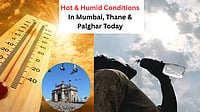






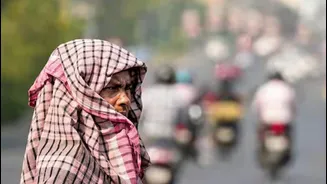

Mumbai, along with neighbouring districts such as Thane and Palghar, is expected to witness an extended summer and a relatively weaker monsoon this year. According to the India Meteorological Department
(IMD), this pattern is linked to the developing El Niño conditions, which typically influence rainfall and temperature trends across India.
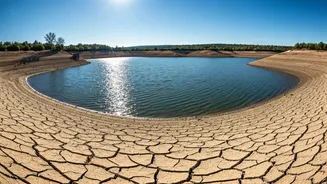
Data from the IMD’s Regional Meteorological Centre (RMC) in Mumbai suggests that El Niño may result in below-normal rainfall during the monsoon season. It could also contribute to warmer conditions not only during the monsoon months but throughout the summer period, likely extending until May 2026, as reported by Mid-Day.
Despite this, meteorologists note that coastal regions like Mumbai are unlikely to experience heatwaves as intensely as interior parts of Maharashtra. Sea breezes combined with higher humidity levels help ease the intensity of extreme heat along coastal areas.
Why Coastal Areas Feel Less Intense Heat
According to IMD officials, El Nino can elevate temperatures, increase the likelihood of extreme heat events, and raise humidity levels. However, in coastal cities such as Mumbai, wind patterns typically strengthen after early afternoon, especially post 1 pm.
These sea breezes help disperse heat and reduce the severity of hot and humid conditions. In contrast, interior regions of Maharashtra, which lack this moderating influence, are expected to face more intense and prolonged heat.
Understanding El Niño And La Niña
El Niño and La Niña are recurring climate phenomena originating in the Pacific Ocean. El Niño is characterised by unusually warm ocean waters, which often lead to higher temperatures and weaker southwest monsoon conditions in India.
La Niña, on the other hand, is associated with cooler ocean temperatures and can bring relatively lower temperatures, extended winters, and erratic winter rainfall in certain parts of the country. These cycles generally occur every three to five years.
Heat Already Rising In Mumbai
Mumbai has already begun to feel the impact of rising temperatures. On March 10, the city recorded a maximum temperature of 40°C, the highest for the month in the past five years. In comparison, the highest temperature recorded in March 2025 stood at 39.2°C.
Officials have noted that the heat is being experienced more intensely this year. A weaker monsoon could further contribute to a gradual build-up of atmospheric heat, resulting in prolonged periods of hot and humid weather.
Experts Warn Of Heat Exposure Risks
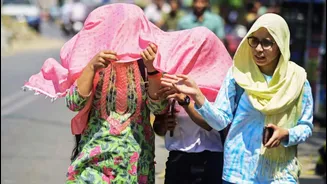
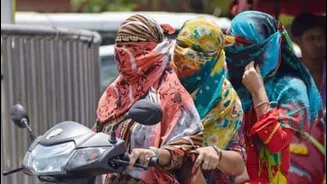
Public health experts have cautioned that the impact of heat is most severe between noon and 3 pm. Pradeep Awate, former surveillance officer with Maharashtra health services, highlighted that while advisories are often aimed at outdoor workers, the general public is equally vulnerable.
He pointed out that routine social gatherings such as weddings and religious events also expose people to extreme heat, emphasising the need for precautions across all sections of society.
Yellow Alert Issued Across Maharashtra
The IMD has issued a yellow alert for April 17 in several districts, including Raigad, Thane, Palghar, Mumbai, Nashik, Jalgaon, Sangli, Solapur, Sambhajinagar and Jalna.
Overall, while Mumbai may avoid the most extreme heat due to its coastal location, the combined impact of rising temperatures and a potentially weaker monsoon points to a challenging summer ahead for the region.